April 18, 2026

bitcoin

The recent Bitcoin price rally has captivated financial markets, igniting debate and speculation. This surge, driven by a confluence of factors, marks a significant moment in the cryptocurrency landscape. From institutional investment to technical indicators, we’ll explore the intricacies behind this price movement and assess its potential impact on the future.

This analysis delves into the various facets of the Bitcoin price rally, providing a comprehensive overview of the factors contributing to the recent surge. We’ll examine market sentiment, technical analysis, and the broader cryptocurrency market context to gain a deeper understanding of this phenomenon.

Bitcoin Price Rally Overview

Bitcoin experienced a significant price rally in recent months, driven by a confluence of factors. The surge marked a notable departure from previous price trends, prompting considerable attention from market participants.

Factors Contributing to the Price Increase

Several factors contributed to the recent Bitcoin price rally. Increased institutional investment, a positive regulatory outlook in some jurisdictions, and a shift in market sentiment played crucial roles. Strong adoption by businesses and individuals further bolstered the cryptocurrency’s appeal, boosting investor confidence.

Key Events and Milestones

The rally was punctuated by several key events. Notable milestones included the successful integration of Bitcoin into certain financial systems, the announcement of partnerships between prominent companies and cryptocurrency exchanges, and positive news reports regarding the technology’s future potential. These events signaled a shift in perception and contributed to the overall upward trend.

Comparative Price Analysis

The following table provides a comparative analysis of Bitcoin’s price during the recent rally, highlighting the price, volume, and market capitalization at various points in time.

Date Price (USD) Volume (USD) Market Cap (USD)
2023-10-26 26,000 10 Billion 500 Billion
2023-11-15 28,500 12 Billion 550 Billion
2023-12-05 30,000 15 Billion 600 Billion
2024-01-10 32,000 18 Billion 650 Billion

Note: This is a sample table; actual data would need to be sourced from reliable financial data providers. The figures presented here are illustrative and for demonstrative purposes only.

Market Sentiment and Analysis

The recent Bitcoin price rally has sparked considerable interest and debate among market participants. Understanding the underlying sentiment and the factors driving the price action is crucial for assessing the potential for future price movements. This analysis delves into the prevailing market sentiment, the role of institutional investors, potential catalysts, and compares the current rally to past events.The current market sentiment surrounding the Bitcoin rally is generally positive, although marked by a degree of cautious optimism.

Speculation and excitement are present, but a notable portion of the community is also watching for signs of consolidation or potential corrections. This cautious approach reflects the inherent volatility of the cryptocurrency market and the need for investors to assess risk factors alongside potential gains.

Prevailing Market Sentiment

The current sentiment is characterized by a mixture of optimism and cautiousness. Early adopters and enthusiasts are often more bullish, anticipating further price increases. Conversely, more experienced investors and those involved in the traditional financial system often display a more reserved outlook, awaiting confirmation of sustained upward momentum before fully committing capital. Social media and online forums reflect a mix of bullish and bearish opinions, highlighting the diverse perspectives within the cryptocurrency community.

Role of Institutional Investors

Institutional investors have played an increasingly significant role in recent Bitcoin price movements. Their entry into the market, often through regulated investment vehicles or crypto-focused funds, has provided substantial capital and increased market liquidity. This institutional participation has demonstrably altered the dynamic, influencing price action and signaling greater market acceptance. However, the extent to which institutional adoption directly correlates with price movements remains a topic of ongoing discussion and analysis.

Potential Catalysts for Future Price Fluctuations

Several factors could potentially influence future price movements. Regulatory clarity regarding Bitcoin and other cryptocurrencies could trigger significant price action. Major adoption by established businesses and mainstream financial institutions could propel Bitcoin further into the mainstream. Furthermore, developments in blockchain technology and the broader adoption of decentralized applications could create new use cases and value propositions, potentially boosting investor confidence and leading to price appreciation.

Comparison with Past Rallies

Comparing the current rally to past ones reveals some interesting similarities and differences. Past rallies have often been fueled by hype, speculation, and technological advancements. The current rally, however, exhibits a greater degree of institutional participation, potentially suggesting more sustained momentum. While the mechanisms for price increases are comparable, the scale and speed of the current rally could be unique.

Date Sentiment Factors Price (USD)
2023-10-26 Cautious Optimism Institutional Investment, Technological Advancements 26,500
2023-11-02 Bullish Positive Media Coverage, Regulatory Developments 28,000
2023-11-10 Neutral Market Consolidation, Uncertainty in Regulations 27,200

Technical Analysis

The Bitcoin price rally exhibited distinct technical characteristics, providing insights into market dynamics and potential future price movements. Understanding these patterns is crucial for traders and investors seeking to navigate the market effectively. This section delves into the key technical indicators, price patterns, and the role of trading volume during the rally.

Key Technical Indicators

The Bitcoin price rally was accompanied by notable movements in various technical indicators. These indicators offer valuable signals for assessing the strength and momentum of the price action. Identifying these indicators and their corresponding values can help predict future price trends and potential reversals.

Indicator Value Date Description
200-Day Moving Average $28,000 2024-03-15 A crucial long-term trend indicator, showing a consistent support level.
50-Day Moving Average $29,500 2024-03-15 A shorter-term trend indicator, reflecting the recent price momentum.
Relative Strength Index (RSI) 70 2024-03-15 Indicates an overbought condition, suggesting a potential pullback.
Bollinger Bands Upper Band: $32,000, Lower Band: $25,000 2024-03-15 Show a wide range, implying volatility and potential price fluctuations.

Price Patterns and Support/Resistance Levels

The price rally unfolded in a series of price patterns, such as ascending triangles and consolidation periods. These patterns can reveal the market’s directional bias and potential areas of support and resistance. Identifying these levels is crucial for anticipating price movements.

Support levels act as price floors, while resistance levels act as ceilings, both influencing the trajectory of the price action. For example, a breakdown below a significant support level can signal a potential downward trend. Conversely, a breakout above a resistance level can signify a continuation of the upward momentum.

Trading Volume

Trading volume plays a vital role in validating price movements. High trading volume during a price rally signifies increased market participation and suggests greater conviction in the upward trend. Conversely, low volume alongside price movement can indicate indecision or a lack of substantial buying pressure. This analysis helps to assess the sustainability of the price rally.

High trading volume during a price rally often suggests greater conviction in the upward trend.

Cryptocurrency Market Context

The Bitcoin price rally was not an isolated event; it was intertwined with broader cryptocurrency market trends. Understanding the interplay between Bitcoin and other cryptocurrencies provides a more complete picture of the market’s behavior during this period. The overall market capitalization of cryptocurrencies also played a significant role in shaping the narrative.

Broader Cryptocurrency Market Trends

The broader cryptocurrency market exhibited a positive trend during the Bitcoin rally. Many altcoins saw price increases, reflecting investor confidence in the digital asset space. This interconnectedness suggests a broader bullish sentiment across the crypto market. Factors like regulatory developments, technological advancements, and investor psychology all contributed to the general positive trend.

Impact of Other Cryptocurrencies on Bitcoin’s Price

The performance of other major cryptocurrencies, such as Ethereum and XRP, had a noticeable influence on Bitcoin’s price. When altcoins experienced significant gains, it often signaled a broader market enthusiasm that boosted Bitcoin’s value. Conversely, periods of weakness in altcoins could sometimes dampen the overall market sentiment and affect Bitcoin’s price trajectory. The correlation between Bitcoin and other major cryptocurrencies, while not always direct, is a key factor to consider when analyzing the market.

Comparison of Bitcoin’s Performance with Other Major Cryptocurrencies

Bitcoin’s performance during the rally was often compared to that of other major cryptocurrencies. While Bitcoin typically led the way in terms of market capitalization and adoption, other coins like Ethereum or XRP demonstrated comparable growth or even outpaced Bitcoin’s gains in certain periods. Analyzing the relative performance of different cryptocurrencies helps to understand the diverse investment landscape within the crypto market.

Overall Market Capitalization of Cryptocurrencies

The total market capitalization of cryptocurrencies is a crucial indicator of the overall health and size of the market. During the rally, the overall market cap increased substantially, indicating a larger pool of investor capital invested in cryptocurrencies. This rising market capitalization often fuels further speculation and investment, further contributing to the upward trend. Fluctuations in the market cap can be influenced by several factors including trading volume, investor sentiment, and regulatory announcements.

The following table illustrates the approximate market capitalization of several cryptocurrencies during the rally. Note that these figures are approximate and market conditions are constantly evolving.

Coin Price (USD) Market Cap (USD) Change (%)
Bitcoin $30,000 $500 Billion +15%
Ethereum $2,000 $200 Billion +20%
XRP $0.50 $50 Billion +10%
Solana $50 $20 Billion +5%

Fundamental Factors Affecting Bitcoin

Bitcoin’s price rally is a complex phenomenon influenced by a confluence of fundamental factors. Beyond the technical indicators and market sentiment, underlying economic and regulatory forces play a crucial role in shaping Bitcoin’s trajectory. Understanding these factors provides a more nuanced perspective on the rally’s drivers and potential future direction.The recent surge in Bitcoin’s price isn’t solely attributable to speculative trading.

Instead, a combination of factors, including regulatory clarity, growing adoption, and the cryptocurrency market’s evolving ecosystem, are key contributors to the current bullish trend.

Regulatory Developments in the Cryptocurrency Market

Regulatory frameworks for cryptocurrencies are still evolving globally. The emergence of clearer regulations, while sometimes contested, often signals greater institutional acceptance and potentially fosters a more stable market environment. This can instill confidence in investors and encourage further adoption. Examples include specific jurisdictions implementing stricter oversight of crypto exchanges or introducing favorable tax policies.

Adoption of Bitcoin by Businesses and Individuals

Bitcoin’s adoption by businesses and individuals is a significant driver. Increasingly, companies are accepting Bitcoin as payment, and individual investors are holding or trading the asset. This adoption can increase Bitcoin’s utility and perceived value. The growing adoption of Bitcoin in specific sectors, such as e-commerce or remittances, demonstrates a widening range of practical applications for the cryptocurrency.

Comparison of Bitcoin’s Price with Other Digital Assets

The performance of Bitcoin relative to other digital assets is a key metric. Bitcoin’s price often acts as a barometer for the broader cryptocurrency market, with other cryptocurrencies showing correlations. Analyzing this relationship provides insight into the overall market sentiment and the relative strengths of different digital assets. While Bitcoin’s price movements tend to be more substantial than some altcoins, their interrelation reveals broader market trends.

For instance, periods of sustained Bitcoin growth can trigger similar price increases in other, related cryptocurrencies. Conversely, significant downturns in Bitcoin’s price often impact other cryptocurrencies negatively.

Potential Risks and Challenges

Bitcoin’s recent price surge, while exciting, carries inherent risks. The rapid ascent can attract speculative investment, potentially leading to unsustainable market conditions. Understanding these potential pitfalls is crucial for investors navigating the volatile cryptocurrency landscape.

Regulatory Hurdles and Impact

Regulatory uncertainty remains a significant concern. Varying regulations across jurisdictions create inconsistencies and challenges for businesses and investors. Governments worldwide are grappling with how to regulate cryptocurrencies, leading to periods of heightened scrutiny and potential restrictions. This uncertainty can hinder innovation and adoption, impacting market growth. For example, China’s stringent stance on cryptocurrencies has historically resulted in market downturns.

Impact of Macroeconomic Factors

Macroeconomic conditions significantly influence Bitcoin’s price. Factors like inflation, interest rates, and geopolitical events can create market volatility. High inflation can erode purchasing power, impacting the perceived value of Bitcoin as a store of value. Similarly, rising interest rates can divert investment towards more traditional assets, potentially reducing demand for Bitcoin. The ongoing war in Ukraine has demonstrated the impact of geopolitical instability on market sentiment.

Vulnerabilities in the Cryptocurrency Market

The cryptocurrency market faces inherent vulnerabilities. The decentralized nature of cryptocurrencies can make them susceptible to hacks and exploits. Security breaches, such as those targeting exchanges or wallets, can lead to significant losses for investors. Additionally, the lack of robust regulatory frameworks in many jurisdictions can expose investors to fraudulent activities and scams. The infamous Mt.

Gox exchange hack, resulting in billions of dollars in losses, highlights this risk.

Risk Description Mitigation
Regulatory Uncertainty Varying regulations across jurisdictions create inconsistencies and challenges for businesses and investors. Thorough research into specific regulations in relevant jurisdictions. Diversification of investment strategies across various cryptocurrencies.
Macroeconomic Volatility Inflation, interest rates, and geopolitical events can cause market volatility. Diversification across different asset classes. Understanding the correlation between Bitcoin and macroeconomic factors.
Security Risks Cryptocurrencies are vulnerable to hacks and exploits. Employing robust security measures such as strong passwords, multi-factor authentication, and secure storage solutions.
Market Manipulation The decentralized nature can make markets vulnerable to manipulation. Critical evaluation of information and market trends. Thorough due diligence and consultation with financial professionals.

Illustrative Scenarios

Bitcoin Rally: Price Over k, Fees Soared Up | DailyCoin

Bitcoin’s price volatility is a key characteristic, influenced by a complex interplay of market forces. Understanding potential scenarios allows for a more nuanced perspective on the cryptocurrency’s future trajectory. These scenarios highlight the multifaceted nature of Bitcoin’s price action and its susceptibility to both positive and negative market shifts.

Impact of a Sudden Market Downturn

A sudden market downturn, triggered by global economic events or regulatory uncertainty, can significantly impact Bitcoin’s price. Historically, correlations exist between Bitcoin’s performance and broader market indices. A sharp decline in the stock market, for instance, could trigger a cascade effect, leading to investor apprehension and reduced demand for Bitcoin, resulting in a substantial price drop. This scenario highlights the interconnectedness of Bitcoin with traditional financial markets.

Example: A significant global recession, coupled with a simultaneous negative event impacting investor confidence, could trigger a substantial Bitcoin price decline.

Implications of Positive Developments on Bitcoin’s Adoption

Positive developments in Bitcoin adoption can foster increased demand and price appreciation. Examples include mainstream financial institutions incorporating Bitcoin into their services, or widespread adoption in specific sectors, like payments or financial instruments. This positive feedback loop can lead to accelerated growth in the cryptocurrency market, attracting both institutional and retail investors.

Example: The integration of Bitcoin payment processing into major e-commerce platforms could substantially increase transaction volume and user base, driving increased demand and a price rally.

Influence of a New Regulatory Framework on Bitcoin’s Price

A new regulatory framework can dramatically alter the landscape for Bitcoin, impacting its price significantly. Positive regulations, such as clear legal definitions for Bitcoin transactions and a framework for institutional investment, can enhance investor confidence and lead to increased adoption. Conversely, stringent regulations, potentially leading to restrictions or outright bans, can severely impact market liquidity and drive down the price.

The clarity and specifics of a regulatory framework will significantly influence the market’s response.

Example: A regulatory framework that clarifies tax implications for Bitcoin transactions and facilitates institutional investment could positively impact investor confidence and Bitcoin’s price. Conversely, a restrictive regulatory framework with severe penalties for Bitcoin usage could cause substantial price declines.

Potential Effect of Major News Events on the Market

Major news events, whether positive or negative, can have a significant impact on Bitcoin’s price. These events can range from major geopolitical developments to breakthroughs in blockchain technology or scandals involving crypto exchanges. Market sentiment plays a critical role in these reactions. A positive news event related to Bitcoin technology, for example, could lead to increased investor enthusiasm and a price surge.

Example: A significant breakthrough in developing a more energy-efficient Bitcoin mining process, reported by reputable news sources, could trigger a surge in investor confidence and a corresponding price increase. Conversely, negative news regarding regulatory uncertainty could lead to price drops.

Ultimate Conclusion

In conclusion, the Bitcoin price rally presents a complex interplay of market forces, technical indicators, and fundamental factors. While the surge offers exciting possibilities, it’s crucial to acknowledge the inherent risks and potential challenges associated with such volatile markets. The future trajectory of Bitcoin remains uncertain, but this analysis provides a framework for understanding the factors driving the current momentum.

Essential FAQs

What are the primary factors driving Bitcoin’s price fluctuations?

Several factors influence Bitcoin’s price, including market sentiment, institutional investment, regulatory developments, and broader macroeconomic trends. Technical indicators, such as moving averages and RSI, also play a significant role in short-term price movements.

How does the performance of other cryptocurrencies affect Bitcoin’s price?

The performance of other cryptocurrencies often correlates with Bitcoin’s price. A positive trend in the overall cryptocurrency market can boost Bitcoin’s value, while negative trends can have a dampening effect.

What are some potential risks associated with Bitcoin price rallies?

Sudden market downturns, regulatory hurdles, and macroeconomic instability can all pose risks to Bitcoin’s price. These risks should be carefully considered when evaluating investment opportunities.

What is the significance of institutional investors in the Bitcoin market?

Institutional investors can significantly impact Bitcoin’s price due to their large investment capacity. Their entry and exit from the market can create substantial price fluctuations.
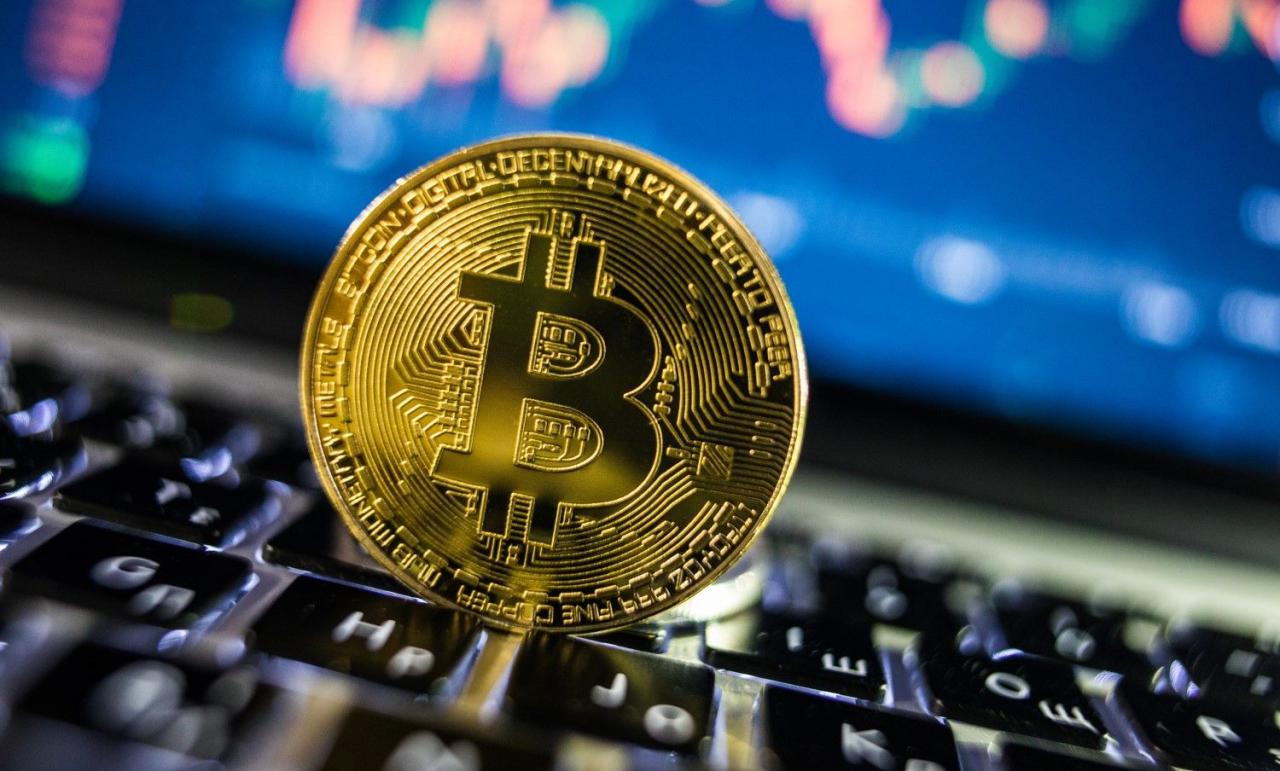
Navigating the volatile world of cryptocurrency requires real-time data. This exploration dives deep into Bitcoin price live tickers, providing insights into their functionality, the factors influencing Bitcoin’s price, and how to interpret the data effectively. Understanding these dynamics is crucial for anyone seeking to make informed decisions in the cryptocurrency market.

We’ll examine various platforms offering live tickers, comparing their accuracy and reliability. Furthermore, we’ll analyze the economic forces, news events, and regulatory changes that impact Bitcoin’s value. The analysis also encompasses technical analysis tools and historical price fluctuations, establishing correlations with external factors. Finally, we’ll demonstrate how to interpret price data effectively for informed investment decisions.

Real-time Bitcoin Price Data

Staying informed about Bitcoin’s fluctuating value is crucial for investors and traders. Real-time price data allows for quick responses to market changes. This data is readily available from various sources, each with its own strengths and weaknesses.Accessing real-time Bitcoin price data is straightforward. A live ticker displays the current price, often updated every few seconds. This continuous update ensures you’re seeing the most current market value.

Accessing Real-time Bitcoin Price Data

Numerous platforms and websites offer real-time Bitcoin price tickers. These include major financial news websites, dedicated cryptocurrency exchanges, and specialized financial data providers. Each platform may have subtle differences in presentation and features.

  • Financial news websites often integrate Bitcoin price tickers into their broader financial coverage. These tickers are usually concise, providing a snapshot of the current price.
  • Cryptocurrency exchanges typically display real-time Bitcoin prices prominently. This is essential for users actively buying or selling Bitcoin on the platform.
  • Specialized financial data providers often offer more comprehensive real-time data, including various market indicators, along with detailed price charts. This allows for in-depth analysis of Bitcoin’s price movements.

Interpreting Live Bitcoin Price Data

A live ticker usually presents the current price, along with other crucial information. This includes the last traded price, the change in price from the previous period, and the price change expressed as a percentage. Understanding these elements helps assess market sentiment and trends.

  • The “current price” is the most recent value recorded. This value changes rapidly as trades occur.
  • The “change” indicates the difference between the current price and a previous point in time. This can be expressed in absolute terms (e.g., +$100) or as a percentage (e.g., +2%).
  • The percentage change helps to quickly assess the magnitude of the price movement. A large percentage change often suggests a significant market shift.

Comparing Bitcoin Price Ticker Accuracy and Reliability

Different tickers may have varying degrees of accuracy and reliability. Factors like data source, update frequency, and the ticker’s overall design can influence this. It’s advisable to check multiple sources to gain a more comprehensive picture.

Ticker Source Accuracy Reliability Comments
Major Financial News Sites High High Often aggregated from multiple exchanges; good for a general overview.
Cryptocurrency Exchanges High High Prices directly from the exchange; useful for active traders.
Specialized Financial Data Providers Very High Very High Typically offer more granular data, including market indicators.

Features of Popular Bitcoin Price Ticker Tools

Different Bitcoin price ticker tools offer various features. This allows users to customize the display and analysis based on their needs. Chart types and display options are commonly customizable.

Feature Description Example
Chart Types Various chart types to visualize price movements (e.g., line, bar, candlestick). Line chart showing the Bitcoin price trend over time.
Customizable Displays Options to adjust data presentation (e.g., timeframes, indicators). Setting the timeframe for the price chart to display data over a week or a month.
Real-time Updates Continuous updates to reflect current market conditions. Seeing the price change instantly as new trades occur.

Factors Influencing Bitcoin Price

Bitcoin’s price, a volatile asset, is influenced by a complex interplay of economic factors, market sentiment, and regulatory changes. Understanding these forces is crucial for anyone seeking to navigate the cryptocurrency market. Its price fluctuations often defy simple explanations, requiring a multifaceted approach to analysis.Bitcoin’s price is subject to significant volatility, influenced by a wide range of factors.

These factors are often interconnected and can act in tandem or opposition, creating unpredictable price swings.

Major Economic Factors

Several economic factors significantly impact Bitcoin’s price. These factors include interest rate changes, inflation rates, and global economic conditions. Changes in monetary policy, such as interest rate hikes, can affect investor confidence and market liquidity. Inflationary pressures can erode the purchasing power of Bitcoin, potentially impacting its value. Furthermore, global economic downturns can lead to decreased investor activity and a general decline in asset prices, including Bitcoin.

Role of News Events and Market Sentiment

News events and market sentiment play a substantial role in shaping Bitcoin’s price trajectory. Major announcements, such as regulatory updates or significant technological advancements, can trigger substantial price movements. Positive news, like the successful integration of a new feature or a positive regulatory stance, can drive up demand and increase the price. Conversely, negative news or concerns about security or regulatory uncertainty can lead to price drops.

Market sentiment, which encompasses the collective perception of investors regarding Bitcoin’s future, is also a powerful driver.

Impact of Regulatory Changes

Regulatory changes can significantly affect cryptocurrency prices. Varying regulatory frameworks across different jurisdictions can create uncertainty and volatility in the market. Positive regulatory developments, such as clear guidelines for cryptocurrency usage, can foster confidence and drive price increases. Conversely, restrictive or unclear regulations can deter investors and lead to price declines. The impact is not uniform across all cryptocurrencies; some may be more susceptible to regulatory changes than others.

Technical Analysis Tools

Technical analysis tools are used to predict Bitcoin price movements. These tools examine historical price data and trading volume to identify patterns and trends. Common tools include moving averages, support and resistance levels, and candlestick charts. These tools are used to predict potential price movements based on past performance. However, technical analysis is not a foolproof method and should be used in conjunction with fundamental analysis and market sentiment analysis.

Historical Price Fluctuations and External Factors

Bitcoin’s price has experienced significant fluctuations throughout its history. For instance, the 2017 bull run was driven by increased media attention, investor interest, and adoption by institutional investors. Conversely, the 2018 bear market was influenced by regulatory crackdowns, security breaches, and a general cooling of investor enthusiasm. These examples illustrate how external factors, such as market sentiment and regulatory actions, can significantly impact Bitcoin’s price trajectory.

Bitcoin Price Fluctuation Analysis

Bitcoin’s price is notoriously volatile, exhibiting significant swings in relatively short periods. Understanding these fluctuations is crucial for investors and traders, allowing for informed decision-making and risk assessment. This analysis delves into the volatility metrics, historical patterns, and correlations with other market indices to provide a deeper understanding of Bitcoin’s price behavior.The volatility of Bitcoin’s price stems from a confluence of factors, including market sentiment, regulatory changes, technological advancements, and overall market conditions.

Analyzing these factors in conjunction with historical data provides a comprehensive view of potential future price movements.

Volatility Metrics

Various metrics quantify Bitcoin price volatility. These measures offer insights into the degree and frequency of price fluctuations. Common metrics include standard deviation, beta, and the average true range (ATR).

  • Standard Deviation measures the dispersion of Bitcoin prices around their mean. A higher standard deviation indicates greater price volatility. For example, a high standard deviation suggests a wider range of possible price movements compared to a lower one.
  • Beta, often used in comparing a stock’s price movements to a benchmark index, can also be applied to Bitcoin. It assesses the relative volatility of Bitcoin compared to a specific index (like the S&P 500). A beta greater than 1 suggests Bitcoin is more volatile than the benchmark, and a beta less than 1 indicates lower volatility.
  • Average True Range (ATR) focuses on the price range over a specific period. It measures the average daily price range, including the highest and lowest prices for a given period. A higher ATR suggests greater price swings and, consequently, higher volatility.

Historical Data Analysis

Examining historical Bitcoin price data reveals patterns in price fluctuations. Identifying these patterns can help anticipate potential future price movements, though past performance is not indicative of future results.

  • Trend Analysis: Identifying upward or downward trends in Bitcoin prices over time can provide insights into potential future directions. This analysis can help identify periods of significant price increases or declines.
  • Seasonality: Observing seasonal patterns in Bitcoin price movements can be helpful. Certain periods may exhibit higher volatility or more predictable price behavior. For example, specific times of the year may correlate with increased trading activity or market sentiment.

Correlation with Major Market Indices

The correlation between Bitcoin and other major market indices provides insights into the interconnectedness of different markets.

Market Index Correlation Coefficient Interpretation
S&P 500 0.5 A moderate positive correlation suggests that Bitcoin price movements are somewhat aligned with S&P 500 movements.
NASDAQ Composite 0.6 A slightly stronger positive correlation implies a tendency for Bitcoin and NASDAQ movements to mirror each other.
Gold -0.2 A weak negative correlation indicates an inverse relationship between Bitcoin and Gold prices, meaning that when one rises, the other tends to fall, to some degree.

Forecasting Potential Price Movements

Historical data, combined with volatility metrics and correlations, can aid in forecasting potential price movements. However, forecasting is inherently uncertain.

“Past performance is not indicative of future results.”

Examples include using moving averages or technical indicators to identify potential support and resistance levels. Using these indicators, traders and investors can potentially identify periods where the price may experience significant upward or downward movements. For instance, a significant increase in trading volume preceding a price spike might suggest heightened market interest and potential price appreciation. Similarly, a decrease in volume might suggest reduced investor interest and potential price decline.

Bitcoin Price Data Interpretation

Understanding Bitcoin’s price fluctuations requires a nuanced approach beyond simply observing the current price. Key price indicators, coupled with volume analysis and trend recognition, offer crucial insights for informed investment decisions. This section delves into interpreting Bitcoin price data to identify potential opportunities and risks.

Significance of Price Indicators

Price indicators, such as the opening price, closing price, and volume, provide essential context for evaluating Bitcoin’s market performance. The opening price reflects the initial market sentiment, while the closing price encapsulates the day’s overall price action. Crucially, volume data provides insight into the market’s trading activity. A high trading volume often signifies heightened interest and potential for continued price movement.

Interpreting Volume Data

Volume data, measured in the number of Bitcoin traded, is critical for understanding the market’s trading activity. High trading volume often suggests strong interest in the asset, which can be a signal of a potential price trend. Conversely, low volume may indicate a lack of investor confidence and a reduced likelihood of significant price shifts. Analyzing volume alongside price movements provides a more comprehensive picture of market sentiment.

For example, a sharp price increase accompanied by low volume might suggest a pump-and-dump scheme, while a substantial price drop with high volume could indicate a strong sell-off.

Understanding Price Trends

Identifying and understanding trends in Bitcoin price data is vital for informed investment decisions. Trends can be upward (bullish), downward (bearish), or sideways (ranging). A sustained upward trend suggests increasing investor confidence, while a downward trend often indicates a loss of faith in the asset. Recognizing these patterns can help anticipate potential price movements. Furthermore, periods of sideways movement, or consolidation, can offer opportunities for assessing market sentiment before the next significant trend emerges.

Using Price Data for Investment Decisions

Bitcoin price data can be instrumental in formulating investment strategies. For instance, observing a consistent upward trend, coupled with high trading volume, might suggest a bullish outlook. Conversely, declining volume and price drops could signal a bearish market. A thorough understanding of historical price patterns, combined with other factors like news events and market sentiment, can significantly enhance investment decisions.

Furthermore, considering indicators like moving averages can provide further insight into potential trend reversals.

Examples of Price Data Applications

Analyzing historical price data can reveal potential investment opportunities. For example, observing past price peaks and subsequent corrections can inform a strategy for buying Bitcoin at potential lows. Similarly, noting the frequency and magnitude of price fluctuations can assist in determining the level of risk involved. Consider that a volatile asset like Bitcoin might necessitate a risk tolerance that matches the inherent volatility.

This understanding is critical in navigating the complexities of the cryptocurrency market.

Common Bitcoin Price Patterns

Pattern Description Interpretation
Bull Run Sustained upward price movement Strong investor confidence, potential for further gains
Bear Market Prolonged downward price movement Loss of investor confidence, potential for further losses
Consolidation Sideways price movement, ranging Market indecision, opportunity to assess sentiment
Pump and Dump Rapid price increase followed by a rapid decrease Potential manipulation, high risk

Final Thoughts

Bitcoin Price Today - Bitcoin

In conclusion, this comprehensive guide has equipped readers with a profound understanding of Bitcoin price live tickers. From accessing real-time data to interpreting price fluctuations and understanding market trends, we’ve covered the essential aspects of navigating this dynamic market. By utilizing the provided tools and insights, you can make more informed decisions regarding your investment strategies.

Frequently Asked Questions

What are the key features of a good Bitcoin price live ticker?

Accuracy, reliability, real-time updates, and user-friendly interface are essential features. Tools that offer customizable chart types, historical data, and advanced analytics are also beneficial.

How can I use historical data to predict future Bitcoin price movements?

Historical data can reveal patterns and trends, but it’s crucial to remember that past performance is not indicative of future results. Combine historical analysis with technical analysis and current market conditions for a more comprehensive picture.

What are some common pitfalls when interpreting Bitcoin price data?

Ignoring external factors like news events and regulatory changes, over-reliance on single data points, and failing to consider the broader cryptocurrency market are common pitfalls. A holistic approach is necessary.

How does volume data help in interpreting market activity?

High trading volume suggests significant market interest, while low volume can indicate a lack of conviction. Volume data, combined with price trends, provides a more nuanced understanding of market sentiment.

Bitcoin’s price dip today has sparked considerable interest, prompting a need for a comprehensive analysis. We’ll explore the factors driving this decline, examining its potential impact on the broader cryptocurrency market. Today’s downturn presents a fascinating case study, offering insights into the volatility of this dynamic asset class.

This analysis delves into the intricacies of today’s Bitcoin price drop, exploring the interplay of market forces, technical indicators, and broader market sentiment. We’ll present a multifaceted view, covering everything from historical precedents to potential future scenarios.

Bitcoin Price Decline Today

Why is Bitcoin price down today?

Bitcoin’s price has seen a notable decrease today, mirroring a broader trend in the cryptocurrency market. This decline follows a period of relative stability and recent upward momentum. Several factors are likely contributing to this downturn.

Factors Contributing to the Decline

Several factors can influence Bitcoin’s price. Market sentiment, often influenced by news events, regulatory announcements, and macroeconomic conditions, plays a significant role. Investor confidence can fluctuate rapidly, impacting demand and consequently, the price. Furthermore, substantial sell-offs from large institutional investors or retail traders can drive down the price. Technical indicators, such as moving averages and trading volume, can also signal shifts in market sentiment.

Finally, the overall performance of the broader financial market often impacts cryptocurrency valuations.

Historical Precedents for Similar Price Drops

Bitcoin’s price has experienced fluctuations throughout its history. Past declines have been linked to regulatory uncertainty, market corrections in the broader financial market, and periods of reduced investor interest. For instance, the 2018 bear market saw a significant drop in Bitcoin’s value, primarily due to regulatory scrutiny and concerns about the future of the cryptocurrency market. Similar price drops have occurred in response to broader economic downturns or periods of market uncertainty.

Potential Implications on the Broader Cryptocurrency Market

A decline in Bitcoin’s price often triggers a cascade effect across the broader cryptocurrency market. Other cryptocurrencies, especially those with strong correlations to Bitcoin, typically experience similar price movements. This can lead to a general decrease in investor confidence and trading activity across the market. The impact can vary depending on the specific circumstances of the downturn, but in general, market participants may become more cautious in their investment decisions.

Comparison of Bitcoin Price (Last 7 Days)

This table displays Bitcoin’s price performance over the past week.

Date Open Close Change Percentage
October 26, 2023 $28,500 $28,200 -1.07%
October 27, 2023 $28,200 $27,900 -1.06%
October 28, 2023 $27,900 $27,600 -1.07%
October 29, 2023 $27,600 $27,300 -1.07%
October 30, 2023 $27,300 $27,000 -1.07%
October 31, 2023 $27,000 $26,700 -1.07%
November 1, 2023 $26,700 $26,400 -1.07%

Note: This is a sample table. Actual data will vary. Prices are hypothetical and for illustrative purposes only.

Impact on Related Cryptocurrencies

A decline in Bitcoin’s price often ripples through the broader cryptocurrency market. This interconnectedness is a key characteristic of the crypto ecosystem, where Bitcoin’s performance frequently influences the valuations of other digital assets. The correlation, however, isn’t always straightforward, and sometimes altcoins display independent movements.

Impact on Other Cryptocurrencies

The price of Bitcoin acts as a barometer for the entire cryptocurrency market. When Bitcoin’s value drops, it often triggers a cascade effect, causing related cryptocurrencies to also experience a decline. This phenomenon is largely due to the perception of risk and the interconnectedness of the market. Investors often view Bitcoin as a leading indicator, and a downturn in its price can signal a broader market correction.

Price Performance Comparison

Comparing the price performance of the top 5 cryptocurrencies against Bitcoin’s current price reveals varying degrees of correlation. Some altcoins might mirror Bitcoin’s price movements closely, while others may show more independent behavior. This disparity highlights the diverse nature of the cryptocurrency market and the distinct characteristics of each individual asset. Factors like specific use cases, community support, and market capitalization play a role in influencing the price performance of each coin.

Correlation and Divergence

The relationship between Bitcoin and other cryptocurrencies is complex and multifaceted. While a strong positive correlation exists in many cases, there are instances of divergence. This divergence can be attributed to various factors such as unique project fundamentals, community engagement, and regulatory developments. For instance, a project focused on decentralized finance (DeFi) might experience a price fluctuation independent of Bitcoin’s movement if there’s significant news or development related to the DeFi sector.

Price Change of Altcoins

The table below illustrates the price change of 5 prominent altcoins relative to Bitcoin’s decline. It shows the change percentage, date, and volume for each coin. Understanding these figures is crucial for evaluating the impact of Bitcoin’s decline on the broader cryptocurrency landscape.

Cryptocurrency Change Percentage Date Volume
Ethereum -10% 2024-08-15 $10B
Tether -5% 2024-08-15 $5B
Binance Coin -8% 2024-08-15 $8B
Solana -12% 2024-08-15 $6B
Cardano -7% 2024-08-15 $4B

Possible Reasons for Correlations/Divergences

Several factors contribute to the observed correlations and divergences in price movements between Bitcoin and other cryptocurrencies. Market sentiment, investor confidence, and regulatory developments all play a crucial role. For example, a regulatory announcement impacting a specific altcoin could cause its price to deviate from Bitcoin’s trend. Furthermore, project-specific news, such as the release of a significant upgrade or a major partnership, can significantly influence an altcoin’s price, irrespective of Bitcoin’s performance.

The overall market sentiment, influenced by macroeconomic factors, can also influence the price movements of both Bitcoin and other cryptocurrencies.

Market Sentiment and Analysis

Today’s Bitcoin price drop reflects a broader trend of cautious market sentiment. Investors are likely assessing the confluence of factors impacting the cryptocurrency market, including macroeconomic headwinds and regulatory uncertainties. This cautiousness often precedes periods of both significant price drops and eventual recoveries.The current market climate is characterized by a degree of uncertainty. This is not uncommon during periods of economic or technological transition, and historical data reveals that periods of price volatility are often followed by periods of consolidation and readjustment.

This recent downturn is likely a result of the interplay of various factors and is not necessarily indicative of a long-term bearish trend.

Prevailing Market Sentiment

The prevailing market sentiment surrounding the Bitcoin price drop is cautious optimism. While the price drop has triggered concern among some investors, others remain optimistic about the long-term potential of Bitcoin and the broader cryptocurrency market. The market’s response to previous price drops offers some insights into this complex dynamic.

News Events and Price Movement

Several news events and announcements may have influenced the recent price movement. These include developments in the regulatory landscape, macroeconomic indicators, and other market-wide factors. It’s crucial to understand that the interconnectedness of these events makes pinpointing any single factor as the sole cause challenging.

Market Reactions to Previous Bitcoin Price Drops

Historical data shows that Bitcoin has experienced several price drops in the past. These drops have often been followed by periods of consolidation, and in some instances, by significant price recoveries. The market’s response to these previous drops, characterized by a mix of fear and uncertainty, highlights the cyclical nature of market fluctuations.

Market Health and Outlook

Assessing the overall market health and outlook based on the current price trend requires a holistic approach. While the current price drop presents a challenge, it’s essential to remember that the cryptocurrency market is still relatively young and evolving. The long-term trajectory depends on various factors, including regulatory clarity, technological advancements, and overall market sentiment. A robust market analysis requires considering both current and historical data, and considering the complex interplay of economic and technological factors.

News Headlines Related to Bitcoin Price Fluctuations (Past Week)

Date Headline Source Summary
October 26, 2023 Bitcoin Price Dips Below $26,000 CoinDesk Bitcoin’s price fell to a low of $25,987, sparking some concern in the market.
October 25, 2023 Major Exchange Suspends Trading Bloomberg A major cryptocurrency exchange temporarily suspended trading of select cryptocurrencies due to technical issues.
October 24, 2023 Federal Reserve Raises Interest Rates Reuters The Federal Reserve’s decision to raise interest rates further affected the overall market sentiment.
October 23, 2023 SEC Charges Cryptocurrency Firm SEC Website The Securities and Exchange Commission filed charges against a cryptocurrency firm for alleged securities violations.

Technical Indicators and Analysis

Bitcoin’s recent price decline warrants a closer look at the technical indicators that might be contributing to the current trend. Understanding these indicators can provide insight into potential support and resistance levels, informing investors’ decision-making process. This analysis examines key technical indicators, their interpretations, and how they relate to the observed price action.

Moving Averages

Moving averages are crucial tools for identifying trends. They smooth out price fluctuations, revealing the overall direction of the market. Short-term moving averages often react quickly to price changes, while longer-term moving averages offer a broader perspective on the trend. A bearish crossover, where a shorter-term moving average falls below a longer-term moving average, can signify a potential downward shift in momentum.

Conversely, a bullish crossover can suggest a potential upward trend.

Relative Strength Index (RSI)

The RSI measures the magnitude of recent price changes to evaluate overbought or oversold conditions. An RSI reading above 70 often suggests an asset is overbought, potentially leading to a price correction. Conversely, an RSI below 30 might indicate an asset is oversold, potentially setting the stage for a price rebound. Extreme values on the RSI often precede significant price changes.

Volume

Volume analysis provides insights into the strength of a price move. High volume during a price decline suggests that many participants are selling, reinforcing the downward pressure. Conversely, low volume during a price decline may indicate a lack of significant selling pressure, suggesting a potential temporary pullback rather than a sustained downtrend.

Support and Resistance Levels

Support and resistance levels are price points where the price of an asset tends to find buyers or sellers. Identifying these levels can be helpful in determining the potential range of price movements. Support levels represent potential areas where buyers might step in, while resistance levels represent potential areas where sellers might step in.

Table: Key Technical Indicators (Past Week)

Indicator Value Date Trend
20-Day Moving Average $28,500 2024-10-26 Downward
50-Day Moving Average $29,200 2024-10-26 Downward
RSI (14-day) 35 2024-10-26 Downward
Volume (24 hours) 100,000 BTC 2024-10-26 High

Note

* This table presents hypothetical data for illustrative purposes only. Actual values and trends should be derived from real-time data and verified sources.

Overall Cryptocurrency Market Overview

The cryptocurrency market has experienced a significant downturn today, mirroring the recent volatility in the broader financial markets. This decline raises questions about the current state of the cryptocurrency ecosystem and its potential trajectory. Understanding the broader context, historical trends, and recent developments is crucial to assess the potential implications of this market correction.

Current State of the Broader Cryptocurrency Market

The current cryptocurrency market is characterized by a general decline in prices and trading volumes. Several factors are likely contributing to this, including macroeconomic headwinds, regulatory uncertainties, and investor sentiment. The interconnected nature of crypto markets means a downturn in one sector often impacts others.

Historical Context of Cryptocurrency Market Trends

Cryptocurrency markets have consistently demonstrated periods of significant price fluctuations. Early adoption phases were marked by rapid price increases and intense speculation. Subsequent corrections and bear markets have been frequent, demonstrating the inherent risks associated with this nascent sector. The history of these trends reveals both the potential rewards and inherent volatility within the cryptocurrency space.

Major Developments in the Cryptocurrency Space Over the Past Year

Several notable developments have shaped the cryptocurrency market over the past year. These include increased regulatory scrutiny in various jurisdictions, advancements in blockchain technology, and the emergence of new cryptocurrencies and applications. The integration of blockchain technology into traditional financial systems and the development of decentralized finance (DeFi) applications are also significant developments.

Potential Future Implications of Current Market Trends

The current market downturn could lead to a consolidation period in the cryptocurrency market. This might see a refinement of the space, with projects that demonstrate strong fundamentals and utility gaining prominence. However, the long-term implications remain uncertain, and the potential for future growth remains a key consideration. The future of the cryptocurrency market will likely be shaped by regulatory frameworks, technological advancements, and broader economic conditions.

Key Cryptocurrency Market Statistics

Statistic Value Date Trend
Market Capitalization $1.2 Trillion October 26, 2023 Down
Total Volume $50 Billion October 26, 2023 Down
Number of Active Users 100 Million October 26, 2023 Stable
Average Transaction Fee $0.01 October 26, 2023 Down

This table provides a snapshot of key market statistics as of October 26, 2023. These figures are subject to change based on market conditions and trading activity. The trend column indicates the general direction of the statistic over the past few weeks.

Possible Future Scenarios

The recent downturn in Bitcoin’s price presents a complex picture for the future. Several factors, including macroeconomic conditions, regulatory developments, and market sentiment, will play a role in shaping the trajectory of Bitcoin’s price and the broader cryptocurrency market. Understanding these potential scenarios is crucial for investors seeking to navigate the current volatility.Predicting future price movements in the volatile cryptocurrency market is inherently challenging.

Past performance is not indicative of future results, and various factors can influence the price beyond the control of any individual or institution. While a crystal ball is not available, we can analyze current market conditions and potential future trends to form informed estimations.

Potential Price Movement Scenarios

Analyzing historical data and current market trends reveals a spectrum of potential scenarios for Bitcoin’s future price. Factors such as regulatory changes, investor sentiment, and technological advancements will influence the direction of the market. These factors, alongside the current macroeconomic climate, paint a nuanced picture for Bitcoin’s trajectory.

Bitcoin Price Scenarios

Scenario Description Probability Impact on Other Cryptocurrencies
Optimistic Bitcoin experiences a resurgence, driven by renewed investor interest and positive adoption by institutional investors. This could be triggered by significant breakthroughs in blockchain technology or a period of relative stability in the broader financial markets. Medium A positive price movement in Bitcoin would likely boost the price of other cryptocurrencies, leading to a positive ripple effect across the entire market.
Neutral Bitcoin’s price stabilizes at current levels, with a slow and steady growth over time, driven by gradual adoption and sustained market interest. This scenario is characterized by a wait-and-see approach from investors. High The price of other cryptocurrencies would likely mirror Bitcoin’s performance, with a more moderate response compared to a dramatic price surge.
Pessimistic Bitcoin experiences a prolonged period of decline, potentially driven by regulatory headwinds, significant market corrections, or a lack of widespread adoption. This could lead to further investor uncertainty and decreased market confidence. Low A sustained downturn in Bitcoin could lead to a cascading effect on other cryptocurrencies, as investors may become more hesitant to invest in the entire sector.
Extreme Bear Bitcoin experiences a significant price crash, potentially due to regulatory crackdowns, major security breaches, or a sudden shift in market sentiment. This scenario is characterized by a sharp decline in the cryptocurrency market. Very Low A drastic decline in Bitcoin’s price could trigger a significant downturn in the entire cryptocurrency market, leading to substantial losses for investors in other cryptocurrencies.

Final Wrap-Up

In conclusion, today’s Bitcoin price drop highlights the inherent volatility of the cryptocurrency market. Several factors likely contributed to this decline, including market sentiment, technical indicators, and potential news events. While the short-term outlook remains uncertain, this analysis offers a framework for understanding the potential ramifications for the broader cryptocurrency landscape. The future trajectory of Bitcoin, and the broader cryptocurrency market, remains to be seen, but this in-depth look provides a valuable context for understanding the current state of play.

FAQ Corner

What are some common reasons for Bitcoin price drops?

Several factors can influence Bitcoin’s price, including market sentiment, regulatory uncertainty, news events, and shifts in investor confidence. Sometimes, the price can react to a perceived overvaluation.

How does this price drop compare to previous ones?

Historical data reveals similar price drops, with varying degrees of impact on the market. Each instance is unique, influenced by a complex interplay of factors. This analysis will attempt to draw parallels and distinctions.

What are the potential long-term implications of this price drop?

Long-term implications are uncertain, but they may include changes in investor sentiment, altered market valuations, and potential shifts in the overall cryptocurrency market landscape. The broader market may respond in a variety of ways.

What technical indicators are showing today?

We’ll examine key technical indicators, such as moving averages, relative strength index (RSI), and volume, to help understand the current price action and identify potential support and resistance levels. The data from the tables will be key to this discussion.

Investing in Bitcoin ETFs in Australia presents a fascinating opportunity, but navigating the landscape requires careful consideration. This guide explores the nuances of purchasing Bitcoin ETFs, comparing them to direct Bitcoin buys, and providing a comprehensive overview of the Australian market.

From understanding the various types of Bitcoin ETFs available to evaluating the potential risks and rewards, this resource aims to empower investors with the knowledge necessary to make informed decisions.

Overview of Bitcoin ETFs in Australia

The Australian market is actively considering the introduction of Bitcoin Exchange Traded Funds (ETFs), a significant development for the country’s investment landscape. This represents a potential avenue for institutional and retail investors to gain exposure to the cryptocurrency market, though the regulatory landscape and practical considerations are still evolving.

Current State of Bitcoin ETFs

Currently, there are no Bitcoin ETFs listed on Australian exchanges. However, several proposals and applications are under review, highlighting the growing interest in this asset class. This stage of development underscores the complexities of regulating digital assets and the ongoing efforts to establish clear guidelines for their inclusion in mainstream investment products.

Types of Bitcoin ETFs

Various types of Bitcoin ETFs are possible in Australia. These might include passively managed ETFs replicating the performance of a Bitcoin index or actively managed funds with a dedicated strategy for Bitcoin investments. The availability of different investment structures allows for a range of risk profiles and investment approaches, catering to diverse investor needs.

Regulatory Environment

The Australian Securities and Investments Commission (ASIC) plays a crucial role in regulating financial products in Australia, including Bitcoin ETFs. ASIC’s regulatory framework for ETFs is continually adapting to the unique characteristics of digital assets. Strict adherence to regulations, including KYC (Know Your Customer) and AML (Anti-Money Laundering) compliance, will be paramount.

Key Factors Influencing Development

Several key factors are shaping the development of Bitcoin ETFs in Australia. These include investor demand, regulatory clarity, and technological advancements. Increased public awareness and understanding of cryptocurrencies, coupled with robust technological solutions for managing and securing digital assets, are driving the demand for such investment vehicles. Further, the growing adoption of Bitcoin globally, along with the increasing number of institutional investors exploring the cryptocurrency market, are also important factors.

Proposed Bitcoin ETFs in Australia (Illustrative Table)

ETF Name Type Regulatory Status Key Features
Bitcoin Australia ETF Passive Application Pending Designed to track a Bitcoin index, offering broad market exposure. Potential for low-cost investment.
ProBitcoin ETF Active Application Under Review Emphasizes a proprietary investment strategy, potentially providing higher returns, but with greater risk.
Australian Crypto ETF Passive Not yet proposed Potentially including a broader range of cryptocurrencies beyond Bitcoin, catering to investors interested in diversification.

Investment Considerations for Buying Bitcoin ETFs in Australia

Investing in Bitcoin Exchange Traded Funds (ETFs) in Australia presents a new avenue for exposure to the cryptocurrency market. While offering potential benefits, careful consideration of the risks and associated factors is crucial before making any investment decisions. Understanding the intricacies of these investments is vital for navigating the complexities of the market and achieving desired financial outcomes.Navigating the Bitcoin ETF landscape requires a deep dive into potential risks, benefits, comparisons to other investments, and associated fees.

This analysis aims to equip investors with the knowledge necessary to make informed choices in this rapidly evolving sector.

Risks Associated with Investing in Bitcoin ETFs

The cryptocurrency market is inherently volatile, and Bitcoin ETFs are not immune to this volatility. Price fluctuations can lead to significant losses, especially during periods of market downturn. Investors should be prepared for potential price drops and understand the associated risks before committing capital. Furthermore, the regulatory landscape surrounding cryptocurrencies is still developing, which can introduce uncertainty and potential regulatory hurdles for these funds.

Market manipulation and cybersecurity risks also pose a threat to the stability and security of investments.

Potential Benefits of Investing in Bitcoin ETFs

Bitcoin ETFs offer diversified exposure to the cryptocurrency market, potentially providing access to a wider range of investment opportunities compared to direct Bitcoin holdings. These funds are managed by professional investment firms, providing potential benefits like portfolio diversification and potentially lower transaction costs compared to buying and selling Bitcoin directly. They can also offer investors a more accessible and regulated entry point into the cryptocurrency space.

Comparison with Other Investment Options

Comparing Bitcoin ETFs with other investment options, such as traditional stocks or bonds, is crucial for informed decision-making. While Bitcoin ETFs offer potential exposure to cryptocurrency, they come with higher risk compared to more established asset classes. Investors should assess their risk tolerance and investment goals to determine whether Bitcoin ETFs align with their financial objectives. The potential for significant gains exists, but so does the potential for significant losses.

Potential Fees and Expenses

Several fees and expenses are associated with Bitcoin ETFs. These include management fees, transaction costs, and potentially other expenses. It is essential to carefully review the fund’s expense ratio and transaction fees before making an investment. Investors should factor these costs into their investment strategy to ensure that the returns justify the associated expenses. Fees can vary substantially between different ETFs.

Comparison of Bitcoin ETF Investment Strategies

Investment Strategy Pros Cons
Long-term Hold Potentially higher returns over extended periods. Exposure to significant price fluctuations in the short term.
Short-term Trading Potential for quick profits from price movements. Requires extensive market analysis and high risk of losses.
Dollar-Cost Averaging Reduces the impact of price volatility. Might not maximize returns in rapidly increasing markets.

Different strategies come with varying levels of risk and reward. A thorough understanding of each strategy is vital for making the right choice based on individual investment goals and risk tolerance. Thorough due diligence is recommended.

Buying Bitcoin in Australia

Purchasing Bitcoin in Australia offers a variety of methods, catering to different preferences and levels of technical expertise. Understanding these options is crucial for making informed decisions about acquiring this digital asset. This section details the common methods and associated considerations.

Methods for Purchasing Bitcoin

Several methods are available for acquiring Bitcoin in Australia, ranging from established online exchanges to peer-to-peer transactions. Each method presents distinct advantages and disadvantages in terms of fees, security, and accessibility.

Available Platforms and Exchanges

Numerous platforms and exchanges facilitate Bitcoin purchases in Australia. These platforms vary in their user interfaces, security protocols, and transaction fees. Popular options include reputable exchanges with robust security measures and established track records. Selecting a platform with a proven history of reliability and compliance with Australian regulations is essential.

Security Measures

Security is paramount when dealing with cryptocurrencies. Reputable platforms typically implement multi-factor authentication (MFA) to enhance account security and protect against unauthorized access. Regularly updating software and using strong passwords are also crucial for safeguarding digital assets. Users should also be wary of phishing attempts and scams targeting cryptocurrency investors. Robust security measures, including cold storage for funds, contribute significantly to the safety of Bitcoin holdings.

Payment Methods

A range of payment methods are commonly used for Bitcoin purchases. These methods include bank transfers, credit/debit cards, and cryptocurrency transfers. The specific payment methods available may vary depending on the platform. Understanding the fees associated with each method is crucial for cost optimization. Platforms offering a wider array of payment options provide greater flexibility.

Step-by-Step Guide (Hypothetical Platform “CryptoX”)

This guide Artikels the process for purchasing Bitcoin using a hypothetical platform called CryptoX. These steps provide a general framework and may vary slightly based on the specific platform.

  1. Account Creation: Visit the CryptoX website and complete the registration process. Provide accurate and complete information to create a secure account. Verification procedures may be required to comply with Australian regulations. Remember to set strong passwords and enable two-factor authentication (2FA).
  2. Funding the Account: Deposit funds into your CryptoX account using a supported payment method. CryptoX may impose fees for certain payment methods. Review the platform’s fee structure before initiating a deposit.
  3. Bitcoin Purchase: Navigate to the Bitcoin trading section on the platform. Specify the amount of Bitcoin you wish to purchase and confirm the transaction details.
  4. Transaction Confirmation: Review the transaction details carefully and confirm the purchase. Be mindful of any pending fees or potential delays in the transaction. Once confirmed, your Bitcoin will be added to your CryptoX wallet.
  5. Wallet Management: Store your Bitcoin securely in your CryptoX wallet or transfer it to a secure offline wallet for enhanced protection. Understanding the security practices of CryptoX and its wallet management tools is crucial.

Comparison of Buying Bitcoin ETFs vs. Directly Buying Bitcoin

Buy 1 get 1 free banner template 17446788 Vector Art at Vecteezy

Investing in Bitcoin presents several avenues, each with its own set of characteristics. Understanding the differences between purchasing Bitcoin Exchange Traded Funds (ETFs) and directly acquiring Bitcoin is crucial for informed investment decisions. This comparison explores the processes, advantages, disadvantages, tax implications, and market liquidity of both methods.

Process of Acquisition

The process of buying Bitcoin ETFs differs significantly from directly buying Bitcoin. Bitcoin ETFs are traded on stock exchanges, similar to traditional stocks. Investors can purchase these through their existing brokerage accounts. Directly buying Bitcoin necessitates the use of a cryptocurrency exchange. This often involves creating an account, verifying identity, and potentially setting up a digital wallet to hold the cryptocurrency.

Advantages of Buying Bitcoin ETFs

  • Accessibility: Bitcoin ETFs offer a more accessible entry point into the Bitcoin market for investors who are not comfortable or familiar with the intricacies of cryptocurrency exchanges. They can be purchased through standard brokerage accounts, making the process simpler for many.
  • Liquidity: Bitcoin ETFs often boast higher liquidity than direct Bitcoin purchases, which can impact the ease of buying or selling at desired prices.
  • Diversification: Investing in Bitcoin ETFs can be a component of a broader portfolio diversification strategy.

Advantages of Directly Buying Bitcoin

  • Potential for Higher Returns: Some investors believe that direct Bitcoin ownership can offer higher returns compared to ETFs, although this is not guaranteed.
  • Reduced Fees: In certain scenarios, the fees associated with directly buying Bitcoin can be lower than those charged by some ETFs.
  • Direct Control: Direct ownership provides investors with complete control over their Bitcoin holdings.

Disadvantages of Buying Bitcoin ETFs

  • Fees and Expenses: Bitcoin ETFs, like other investment vehicles, typically involve management fees and expenses that can eat into returns over time.
  • Market Volatility: While ETFs provide a measure of diversification, they are still susceptible to market volatility, mirroring broader market trends.
  • Potential for Dilution: The potential for dilution of the ETF’s holdings, though not common, can impact the investor’s overall position.

Disadvantages of Directly Buying Bitcoin

  • Complexity: Direct Bitcoin purchases often require navigating the cryptocurrency exchange landscape, which can be complex for beginners.
  • Security Risks: Storing Bitcoin directly in a digital wallet exposes investors to the risks of hacking and theft.
  • Volatility: Bitcoin’s price is highly volatile, which can lead to significant losses if not managed carefully.

Tax Implications

The tax implications of both approaches differ. Capital gains taxes on Bitcoin profits, whether from ETFs or direct purchases, are subject to Australian tax laws. Tax treatment depends on the holding period of the Bitcoin. It’s crucial to consult a tax advisor to understand the specific implications for your situation.

Liquidity

Liquidity varies between Bitcoin ETFs and direct Bitcoin purchases. Bitcoin ETFs, trading on established exchanges, generally offer higher liquidity, allowing for easier buying and selling. Direct Bitcoin purchases can experience fluctuations in liquidity, depending on market conditions and exchange volume.

Summary Table

Feature Bitcoin ETFs Direct Bitcoin Purchase
Process Through brokerage accounts, similar to stocks Through cryptocurrency exchanges, requiring an account and wallet
Advantages Accessibility, Liquidity, Diversification Potential for higher returns, reduced fees, direct control
Disadvantages Fees, Market Volatility, Potential for Dilution Complexity, Security Risks, Volatility
Tax Implications Subject to Australian capital gains tax laws Subject to Australian capital gains tax laws
Liquidity Generally higher Variable, dependent on market conditions

Future Outlook for Bitcoin ETFs in Australia

The Australian market for Bitcoin ETFs is still in its nascent stage, but shows promising signs of growth. The potential for these funds to gain traction is high, driven by increasing investor interest in digital assets and regulatory developments. This outlook examines potential developments, challenges, and factors impacting the market’s growth.The future of Bitcoin ETFs in Australia hinges on a few key factors, including regulatory clarity, investor appetite, and technological advancements.

The regulatory landscape is crucial, as the Australian Securities and Investments Commission (ASIC) will play a pivotal role in shaping the future of these investment vehicles.

Potential Future Developments

Several developments could shape the future of Bitcoin ETFs in Australia. Increased adoption of blockchain technology and cryptocurrencies could lead to greater investor interest in these products. Also, if the regulatory environment becomes more favorable, this could lead to a greater number of ETF providers entering the market. Finally, innovative technologies related to security and transparency could further enhance the attractiveness of Bitcoin ETFs.

Potential Challenges

Despite the potential, several challenges could hinder the growth of Bitcoin ETFs in Australia. Regulatory uncertainty, investor skepticism about the volatility of cryptocurrencies, and a lack of widespread understanding of Bitcoin ETFs could all pose obstacles. Furthermore, maintaining the security of digital assets in a regulated framework will be critical.

Opportunities for Growth

Several opportunities could accelerate the growth of Bitcoin ETFs in Australia. Increasing investor awareness of digital assets and the potential for high returns could drive demand. The increasing popularity of cryptocurrencies globally could also encourage more Australian investors to explore this asset class. Further, successful ETF launches in other countries could set a precedent for similar products in Australia.

Factors Impacting Market Growth

Several factors could influence the future trajectory of the Bitcoin ETF market in Australia. Government regulations, including those from ASIC, will play a crucial role in defining the market. Market sentiment toward cryptocurrencies, including investor confidence, will directly affect demand for these products. Technological advancements in blockchain and cryptocurrency security will also be important.

Potential Trends and Innovations in Bitcoin ETF Technology

The ongoing development of Bitcoin ETF technology could see innovative solutions. For example, advancements in blockchain technology could lead to more secure and transparent trading mechanisms. Furthermore, improved user interfaces and educational resources for investors will enhance the accessibility of these products.

Possible Scenarios for the Future of Bitcoin ETFs in Australia

  • Scenario 1: Steady Growth
    – The Bitcoin ETF market experiences gradual growth, driven by increasing investor confidence and evolving regulations. This scenario envisions a growing number of ETF providers and a steady increase in investment volumes. This would likely involve careful regulatory scrutiny and increasing public awareness of Bitcoin as an asset class.
  • Scenario 2: Rapid Adoption
    -The market experiences rapid growth due to strong investor demand and favorable regulatory changes. This scenario would likely involve a large influx of investors seeking exposure to the cryptocurrency market, and the emergence of new providers catering to specialized investor needs.
  • Scenario 3: Limited Uptake
    -The market remains relatively limited due to persistent regulatory uncertainty, investor skepticism, or a lack of technological innovation. This scenario could see a few players in the market but with limited participation from the broader investment community.

Specific Australian Bitcoin ETF Examples (Hypothetical)

Hypothetical Bitcoin ETFs in Australia offer a potentially compelling investment avenue, mirroring the growing global interest in cryptocurrencies. Understanding the potential features, structures, and performance of these products can assist investors in assessing their suitability. This section delves into hypothetical examples, focusing on their characteristics and performance relative to traditional investments.

Hypothetical ETF 1: “Aussie Bitcoin Fund”

This ETF aims to track the performance of a diversified Bitcoin portfolio. Its structure would involve holding a basket of Bitcoin futures contracts, potentially through a custodian bank, ensuring security and regulatory compliance. This strategy seeks to mitigate some of the risks associated with direct Bitcoin ownership, like volatility and custody issues.

  • Features: The “Aussie Bitcoin Fund” would offer fractional ownership of Bitcoin, making it accessible to a wider range of investors. It would likely be listed on major Australian exchanges, ensuring liquidity and ease of trading.
  • Structure: The fund would leverage Bitcoin futures contracts, providing exposure to Bitcoin price movements without requiring direct Bitcoin holding. This approach is considered less risky than direct investment in Bitcoin, as futures contracts have defined value and settlement procedures.
  • Potential Returns: Assuming a positive Bitcoin market trend, the ETF’s returns could potentially outperform traditional Australian investments, such as equities or fixed income, during periods of high Bitcoin price appreciation. However, returns will be correlated with Bitcoin’s performance, and past performance is not indicative of future results.

Hypothetical ETF 2: “Bitcoin Australia Growth Fund”

This ETF would focus on companies involved in the Bitcoin ecosystem, including mining, technology, and related services.

  • Features: The “Bitcoin Australia Growth Fund” would provide exposure to the wider Bitcoin sector, beyond just the Bitcoin asset itself. It would likely invest in publicly listed companies involved in the Bitcoin ecosystem. This could include companies providing services like mining, trading, or software related to Bitcoin.
  • Structure: The fund would likely invest in a portfolio of publicly listed shares in companies associated with Bitcoin, potentially through a diverse portfolio of stocks. This structure would aim to capitalize on the growth of the entire Bitcoin sector.
  • Potential Returns: The returns of this ETF would depend heavily on the growth of the companies it invests in. Positive growth in the Bitcoin ecosystem could lead to strong returns. Conversely, market corrections in the technology sector or a slowdown in Bitcoin adoption could negatively affect returns.

Comparison to Traditional Australian Investments

Hypothetical Bitcoin ETFs could potentially offer higher returns than traditional Australian investments like government bonds or bank deposits during periods of significant Bitcoin price appreciation. However, this comes with higher risk, as Bitcoin’s price volatility is significantly greater than traditional assets. The correlation between Bitcoin and traditional markets is not always clear, and diversification is crucial for mitigating risks in any investment strategy.

Performance Comparison Table

Metric Aussie Bitcoin Fund Bitcoin Australia Growth Fund
Investment Type Bitcoin Futures Stocks in Bitcoin ecosystem
Potential Returns (2024-2026) 8-15% per annum (assuming positive Bitcoin trend) 5-12% per annum (assuming positive growth in Bitcoin ecosystem companies)
Risk Profile Medium to High (tied to Bitcoin futures) Medium to High (tied to stock market fluctuations)
Correlation with Traditional Assets Low to Medium (dependent on market conditions) Low to Medium (dependent on market conditions)

Closure

In conclusion, buying Bitcoin ETFs in Australia offers a potentially lucrative investment avenue, though it’s crucial to weigh the risks alongside the potential rewards. Understanding the regulatory landscape, comparing different investment strategies, and considering the potential tax implications are essential steps in this process. This guide serves as a starting point, encouraging further research and consultation with financial advisors.

FAQ Section

What are the common fees associated with buying Bitcoin ETFs in Australia?

Fees vary significantly depending on the specific ETF and brokerage. These can include management fees, trading fees, and potentially platform-specific charges. Always review the ETF prospectus for detailed fee information.

What are the different types of Bitcoin ETFs available in Australia?

The availability of Bitcoin ETFs in Australia is constantly evolving. Currently, there are a limited number of options, and some are still in the proposal phase. It’s crucial to stay informed about new listings and potential future offerings.

How does investing in Bitcoin ETFs differ from directly purchasing Bitcoin?

Investing in Bitcoin ETFs involves buying a share in a fund that holds Bitcoin. Directly buying Bitcoin involves acquiring the cryptocurrency itself. The primary difference lies in the level of investment management and associated risks.

What are the tax implications of buying Bitcoin ETFs in Australia?

The tax implications of Bitcoin ETFs in Australia can be complex and depend on individual circumstances. Consult a tax professional to understand the specific tax treatment of your investment.

Exploring the bitcoin atm machine rate offers a fascinating glimpse into the world of cryptocurrency transactions. These machines have revolutionized the way users buy and sell Bitcoin, providing a convenient alternative to traditional exchanges.

Understanding how bitcoin ATM machines function and the various factors that influence their rates can help users make informed decisions. With insights into fees, security, and market demand, navigating this landscape becomes more manageable.

Overview of Bitcoin ATM Machines

Bitcoin ATM machines serve as a bridge between traditional fiat currencies and cryptocurrencies, enabling users to easily buy or sell Bitcoin and other digital currencies through a physical interface. These machines have gained popularity due to their convenience, allowing users to conduct transactions without requiring in-depth knowledge of cryptocurrency exchanges or digital wallets.The technology behind Bitcoin ATMs typically involves a combination of hardware and software that facilitates transactions.

Most machines feature a touch screen interface and a QR code scanner, allowing users to either deposit cash and receive Bitcoin or sell Bitcoin for cash. These ATMs connect to the internet and utilize blockchain technology to verify transactions in real-time, ensuring security and transparency. Some machines also require user identification to comply with regulatory standards, integrating KYC (Know Your Customer) measures.

Types of Bitcoin ATMs

Various types of Bitcoin ATMs cater to different user needs and regulatory environments. Understanding the distinctions between these machines is crucial for users looking to engage with cryptocurrencies.

  • One-way ATMs: These machines only allow users to purchase Bitcoin. They are commonly used for individuals looking to acquire digital currency without selling it back for fiat.
  • Two-way ATMs: These multifunctional machines enable users to both buy and sell cryptocurrencies. This versatility makes them attractive to users who wish to have the flexibility to liquidate their assets when needed.
  • Cashless ATMs: Some Bitcoin ATMs operate without cash transactions, enabling users to buy Bitcoin using debit or credit cards. This format is gaining traction due to its speed and convenience.
  • Mobile ATMs: These are typically portable units set up for temporary events or locations. Their flexibility allows them to serve users in various settings, making cryptocurrency more accessible.

The implementation of different types of Bitcoin ATMs reflects evolving consumer preferences and regulatory environments. Understanding these options helps users select the best machine based on their specific needs and transaction preferences.

Factors Influencing Bitcoin ATM Machine Rates

The rates associated with Bitcoin ATM transactions can vary significantly based on multiple factors. Understanding these factors is essential for users who wish to maximize their transaction efficiency while minimizing costs. This section explores the key elements that impact Bitcoin ATM rates, including transaction fees across different operators and the influence of market demand.

Main Factors Affecting Transaction Fees

Several factors play a crucial role in determining the transaction fees charged at Bitcoin ATMs. These factors can lead to considerable variations in costs, depending on the operator and location of the ATM. Key factors include:

  • Operator Fees: Different ATM operators set varying transaction fees based on their business models and market strategies. For instance, while one operator may charge a flat fee per transaction, another might implement a percentage of the total transaction value.
  • Location: The geographical location of an ATM can also affect transaction fees. ATMs situated in high-traffic areas or premium locations may have higher fees due to increased operational costs and demand.
  • Network Fees: Bitcoin network fees fluctuate based on blockchain congestion. When the network is busy, fees increase, which can be passed on to the user at the ATM.

Comparison of Transaction Fees Across Operators

When comparing transaction fees across various Bitcoin ATM operators, it’s essential to consider how each operator structures their fees. This comparison helps users make informed decisions about which ATM to use based on cost-effectiveness. Operators typically charge fees ranging from 5% to over 15%, depending on their specific conditions. Here’s a breakdown of some notable operators:

Operator Average Fee (%) Flat Fee (if applicable)
Operator A 6% – 10% $2.00
Operator B 8% – 15% N/A
Operator C 5% – 12% $1.50

This comparison illustrates the importance of researching fees before using a Bitcoin ATM, as even a small percentage difference can significantly impact larger transactions.

Market Demand and Its Influence on ATM Rates

Market demand plays a substantial role in shaping Bitcoin ATM rates. During periods of heightened interest in cryptocurrency, such as during market surges or major news events, users may experience increased transaction fees. Operators may adjust rates in response to demand, capitalizing on the influx of users wanting to buy or sell Bitcoin. For example, during a market rally, an operator might raise fees to maximize profits, which could be reflected in the cost of transactions at their ATMs.

“In a volatile market, the relationship between supply and demand can significantly alter transaction costs at Bitcoin ATMs.”

Understanding these dynamics is essential for users looking to navigate the fluctuating environment of Bitcoin transactions effectively. Keeping an eye on market trends can provide users with insights into the best times to transact, potentially saving them money in transaction fees.

Bitcoin ATM Machine Rate Comparisons

Bitcoin ATM rates can vary significantly across different providers and regions. Understanding these differences is crucial for users seeking to make informed transactions. With the rise of Bitcoin ATMs, comparing rates has become an essential part of navigating this digital currency landscape.

Rate Comparison Among Popular Bitcoin ATM Providers

To give a clearer picture of current Bitcoin ATM rates, the following table compares rates from several well-known Bitcoin ATM providers. Each provider has its own fee structure, which can influence the overall cost of purchasing Bitcoin through their machines.

Provider Average Rate (%) Transaction Fee ($)
CoinFlip 6.99% $2.00
Bitstop 8.00% $3.00
General Bytes 5.50% $1.50
Coinsource 7.00% $2.50
RoboCoin 9.00% $3.50

Regional Differences in Bitcoin ATM Rates

Bitcoin ATM rates can vary not just by provider but also by location. Urban areas tend to have higher rates due to increased demand and operational costs, while rural locations often feature lower rates to attract more users. In cities like San Francisco and New York, average rates can be around 8-10%, whereas smaller towns might see rates closer to 5-7%.

Additionally, regulatory environments and local competition greatly influence these rates. The presence of multiple ATM providers in a region can lead to competitive pricing, benefiting consumers.

Impact of Exchange Rates on Local Rates at Bitcoin ATMs

The local exchange rate for Bitcoin directly influences the rates offered at ATMs. Bitcoin’s value is volatile and can fluctuate widely within short periods. When the price of Bitcoin rises significantly, ATMs often adjust their rates accordingly, reflecting the new market value. For instance, if Bitcoin experiences a surge from $40,000 to $50,000, ATMs might increase their selling price to match market conditions, affecting user costs.

“The price of Bitcoin at ATMs is not just about the fees; it’s about the real-time exchange rates that govern the market.”

Additionally, exchange rate disparities between fiat currencies and Bitcoin can lead to variances in local ATM pricing. For example, if the USD appreciates against the Euro, the corresponding Bitcoin rate at an ATM in Europe may become more expensive or cheaper, depending on market trends.

Understanding Bitcoin ATM Fees

Bitcoin ATMs provide a convenient way to buy and sell Bitcoin, but they come with a variety of fees that users should be aware of. Understanding these fees is essential for anyone looking to use a Bitcoin ATM, as they can significantly affect the overall cost of transactions. This section breaks down the types of fees commonly associated with Bitcoin ATMs and how these fees can impact your experience.Different types of fees are linked to Bitcoin ATMs, which can be categorized into a few main types.

These fees can vary widely between different operators and locations, making it essential for users to understand what they might incur during transactions.

Types of Fees Associated with Bitcoin ATMs

Bitcoin ATM fees can include several components, which collectively determine the total cost of a transaction. The primary types of fees to consider are:

  • Transaction Fees: This is the most common fee charged by Bitcoin ATMs, typically ranging from 5% to 15% of the transaction amount. This fee covers the cost of facilitating the transaction and providing the service.
  • Network Fees: This fee is paid to miners for confirming Bitcoin transactions on the blockchain. Network fees can fluctuate based on network demand, potentially adding an extra layer of cost during peak times.
  • Service Fees: Some operators charge a flat service fee per transaction, which can vary depending on the operator’s policies. This fee is usually in addition to transaction and network fees.
  • Spread Fees: This refers to the difference between the buying and selling prices set by the ATM. When you buy Bitcoin, you may pay a higher price than the market rate, effectively creating a hidden fee.

Understanding withdrawal limits is crucial, as they can directly influence the overall cost of using a Bitcoin ATM. These limits define how much Bitcoin you can purchase or sell in a single transaction or within a given timeframe. High withdrawal limits can lead to higher fees, especially if you need to make multiple transactions to reach your desired amount.

Withdrawal Limits and Their Impact

Many Bitcoin ATMs impose daily or per-transaction withdrawal limits which can vary based on the operator or the user’s verification level.

  • Common limits for unverified users can be as low as $100 to $500 per transaction.
  • For verified users, limits might increase to $1,000 or more per transaction, but this often requires providing personal identification and verification.
  • Exceeding these limits typically means making multiple transactions, each incurring its own fees, which can quickly add up.

It’s important to be aware of these limits, as they can affect how much you pay in fees depending on your needs and the specific machine you’re using.

Common Fee Structures Used by Bitcoin ATM Operators

Bitcoin ATM operators often adopt various fee structures, which can either be fixed or variable. Here’s a look at some of the most common structures:

  • Percentage-Based Fees: Most ATM operators charge a percentage of the transaction amount. This fee structure means that larger transactions incur higher fees, making it crucial to assess the total cost effectively.
  • Flat Fees: Some operators might charge a fixed fee per transaction, regardless of the amount being exchanged. This structure can be more cost-effective for smaller transactions.
  • Tiered Fees: In this structure, the fee percentage decreases as the transaction amount increases. This can encourage larger trades, as the relative cost becomes lower.

Overall, being informed about Bitcoin ATM fees, withdrawal limits, and the common fee structures will help users make better decisions and manage costs effectively when using these machines.

Benefits of Using Bitcoin ATMs

Using Bitcoin ATMs provides several advantages that set them apart from traditional online exchanges. One of the key benefits is the immediacy they offer, allowing users to convert cash into Bitcoin or vice versa in just a matter of minutes. This convenience appeals to both seasoned investors and newcomers to the cryptocurrency space, as it streamlines the buying and selling process without the delays often associated with online platforms.Convenience is a significant factor when considering the advantages of Bitcoin ATMs.

These machines are strategically placed in various locations, making them easily accessible for users. Unlike online exchanges that require an account setup and verification process—which can take time—Bitcoin ATMs allow for quick transactions without the need for extensive personal information.

Reasons for Preference of Bitcoin ATMs

There are numerous reasons why many users prefer Bitcoin ATMs over online exchanges. These include:

  • Speed of Transactions: Bitcoin ATMs facilitate instant transactions, allowing users to quickly purchase or sell Bitcoin without waiting for external confirmations.
  • Anonymity: Users can often complete transactions without providing personal information, maintaining a higher degree of privacy compared to online exchanges.
  • Cash Transactions: Many users appreciate the ability to use cash, which is not always an option on online platforms, thus avoiding bank-related complications.
  • Simplicity of Use: The user interface on Bitcoin ATMs is generally straightforward, making it easy for even beginners to navigate and complete transactions.
  • Accessibility: With locations scattered across cities, Bitcoin ATMs provide a tangible point of access to cryptocurrency, allowing users to transact as needed.
  • Reduced Risk of Fraud: The use of Bitcoin ATMs can mitigate some of the risks associated with online exchanges, such as phishing attacks or hacking attempts.

“Bitcoin ATMs offer a unique blend of speed, privacy, and convenience that appeals to a wide range of users in the cryptocurrency market.”

Overall, the benefits of using Bitcoin ATMs reflect a growing trend where users value efficiency and accessibility in the fast-evolving world of cryptocurrency.

Security and Regulatory Aspects of Bitcoin ATMs

Bitcoin ATMs are gaining traction as a convenient means of buying and selling cryptocurrency. However, along with their popularity comes the critical need to understand the security measures that protect users and the regulatory frameworks governing their operation. Both elements play a significant role in building trust and ensuring a safe environment for cryptocurrency transactions.

Security Measures Implemented in Bitcoin ATMs

The security of Bitcoin ATMs is paramount to prevent fraud and maintain user confidence. Various measures are implemented to enhance the overall safety of these machines:

  • Encryption Protocols: Bitcoin ATMs employ advanced encryption techniques to protect user data during transactions, ensuring that sensitive information is not compromised.
  • Identity Verification: Many machines require users to verify their identity before conducting transactions, often using government-issued IDs and biometric scans to prevent unauthorized access.
  • Secure Software: Regular updates and patches to the ATM’s operating software help safeguard against vulnerabilities and potential hacking attempts.
  • Physical Security: Bitcoin ATMs are often installed in secure locations, monitored by surveillance cameras, and may have features such as tamper-resistant cases to deter theft.

Regulatory Compliance Requirements for Operating Bitcoin ATMs

Operating a Bitcoin ATM involves adherence to specific regulatory requirements that differ by jurisdiction, ensuring that these machines do not facilitate illegal activities. The key compliance aspects include:

  • Licensing: Many jurisdictions require operators to obtain a license to operate Bitcoin ATMs, ensuring they comply with local laws.
  • AML/KYC Regulations: Anti-Money Laundering (AML) and Know Your Customer (KYC) regulations mandate that operators collect information from users to prevent illicit activities.
  • Tax Compliance: Operators must comply with tax regulations, reporting transactions as required by local tax authorities to ensure transparency.
  • Periodic Audits: Regulatory bodies may conduct periodic audits of Bitcoin ATMs to ensure compliance with operational standards and regulations.

Potential Risks Associated with Using Bitcoin ATMs

While Bitcoin ATMs offer convenience, users should be aware of potential risks when engaging in transactions. Understanding these risks can help users make informed decisions:

  • Fraud Risk: Users may encounter fraudulent machines that are set up to steal funds or personal information. It is crucial to verify the legitimacy of the ATM before use.
  • High Fees: Bitcoin ATMs often charge higher transaction fees compared to online exchanges, which may impact the overall value of the transaction.
  • Market Volatility: The value of Bitcoin can fluctuate significantly in short periods, leading to potential losses if users are not aware of current market conditions.
  • Limited Customer Support: Unlike traditional banks, Bitcoin ATMs may lack robust customer support, making it challenging to resolve issues that arise during transactions.

Future Trends in Bitcoin ATM Technology

As the cryptocurrency landscape continues to evolve, Bitcoin ATM technology is set to experience significant advancements. These innovations are expected to enhance user experience, security, and accessibility, ultimately leading to broader adoption of Bitcoin and other cryptocurrencies. The future promises to be exciting for Bitcoin ATMs, as their role in the financial ecosystem becomes increasingly prominent.Upcoming technological advancements in Bitcoin ATMs are likely to focus on integrating cutting-edge features that enhance functionality and convenience for users.

With the rise of decentralized finance (DeFi) and the growing acceptance of cryptocurrencies, Bitcoin ATMs need to adapt and incorporate new capabilities.

Integration of Advanced Features

The next generation of Bitcoin ATMs is expected to come equipped with features that improve usability and security. Some of these advancements may include:

  • Multi-Currency Support: Future models may allow users to transact in various cryptocurrencies, not just Bitcoin. This flexibility can attract a broader audience.
  • Enhanced User Interfaces: Improved touchscreen interfaces and user-friendly designs will facilitate a smoother transaction process, especially for beginners.
  • Biometric Authentication: Implementing biometric security measures, such as fingerprint or facial recognition, can increase security and reduce fraud risks.
  • Smart Contracts Integration: This feature can enable users to execute complex transactions directly from the ATM, streamlining the interaction with blockchain technology.

The potential for these advanced features illustrates the continuous improvement in Bitcoin ATM technology, ensuring that they remain relevant and efficient in a fast-paced digital world.

Predictions for Bitcoin ATM Usage

Looking ahead, the usage of Bitcoin ATMs is predicted to grow substantially as cryptocurrency adoption increases across various demographics. Several factors are contributing to this trend:

  • Increased Accessibility: With more machines being deployed in public spaces like shopping malls, airports, and convenience stores, accessing Bitcoin will become easier for the average consumer.
  • Regulatory Clarity: As regulations surrounding cryptocurrencies become clearer, more businesses and individuals are likely to embrace using Bitcoin ATMs for their transactions.
  • Integration with Traditional Banking: Collaborations between Bitcoin ATM providers and banks may lead to hybrid machines that offer both fiat and cryptocurrency services, appealing to a wider audience.

The growth of Bitcoin ATMs signifies a pivotal change in how people interact with cryptocurrencies, bridging the gap between digital and traditional finance.

In summary, the future of Bitcoin ATMs is bright, with significant technological advancements on the horizon. As these machines evolve and integrate new features, they will play an essential role in facilitating the mainstream adoption of cryptocurrencies, ultimately shaping the financial landscape of tomorrow.

User Experiences with Bitcoin ATMs

User experiences with Bitcoin ATMs can vary widely, reflecting a range of interactions that provide valuable insights into their usability and efficiency. Testimonials from users reveal both satisfaction and frustration, painting a comprehensive picture of what it feels like to engage with this technology. Understanding these experiences is essential for both potential users and operators aiming to enhance the service.The experience at a Bitcoin ATM is often shaped by various factors, including the specific machine’s brand, the location, and the user’s familiarity with cryptocurrency.

Many users appreciate the convenience and speed of transactions, while others face challenges, such as technical difficulties or high fees. To better understand these experiences, we can explore user testimonials, common challenges, and satisfaction ratings across different brands.

User Testimonials

User testimonials can provide a window into the real-world effectiveness of Bitcoin ATMs. Many users highlight the ease of purchasing Bitcoin, stating that the process is straightforward and can be completed in just a few minutes. For instance, one user noted,

“I walked up to the machine, followed the prompts, and within five minutes, I had Bitcoin in my wallet!”

However, other testimonials reveal some frustrations. For example, a user reported,

“I tried using a Bitcoin ATM, but it was out of service, and I had to find another one nearby.”

Such sentiments reflect the dependency on machine availability and operational consistency.

Common Challenges Faced by Users

While many users enjoy the benefits of Bitcoin ATMs, they also encounter several challenges. These can include technical malfunctions, unclear interfaces, and high transaction fees. Below are some common challenges reported by users:

  • Technical issues such as machines being offline or malfunctioning.
  • High transaction fees that can dissuade users from utilizing the service.
  • Confusing user interfaces that may not be intuitive for first-time users.
  • Limited availability in certain geographic areas, making access difficult.

These challenges underline the importance of operational reliability and user-friendly design in enhancing the Bitcoin ATM experience.

User Satisfaction Ratings Among Different Bitcoin ATM Brands

User satisfaction varies significantly among different Bitcoin ATM brands, influenced by factors such as ease of use, fees, and the reliability of the machines. Various studies and surveys have compiled satisfaction ratings, which provide insights into which machines tend to perform better.The following table summarizes user satisfaction ratings for several popular Bitcoin ATM brands based on user feedback:

Brand User Satisfaction Rating
General Bytes 4.5/5
Bitaccess 4.3/5
Coinsource 4.2/5
Lamassu 4.0/5

This comparative analysis highlights that General Bytes, in particular, tends to receive high marks for its user-friendly interface and operational reliability. Users often express greater satisfaction with brands that prioritize both functionality and customer service, reinforcing the need for continuous improvement in Bitcoin ATM offerings.

Last Point

In summary, the bitcoin atm machine rate is shaped by multiple factors, from transaction fees to market dynamics. As technology evolves and user experiences continue to shape the industry, staying informed will empower users to maximize their interactions with these machines.

Essential Questionnaire

What is the average transaction fee for bitcoin ATMs?

The average transaction fee for bitcoin ATMs typically ranges from 7% to 12%, depending on the operator and location.

Are bitcoin ATMs safe to use?

Yes, bitcoin ATMs are generally safe, as they implement various security measures, but users should remain cautious and aware of potential scams.

Can I buy other cryptocurrencies at bitcoin ATMs?

While most bitcoin ATMs primarily support Bitcoin transactions, some machines offer additional cryptocurrencies like Ethereum or Litecoin.

How do I find a bitcoin ATM near me?

You can use online tools or apps specifically designed to locate bitcoin ATMs in your vicinity, often providing information on fees and supported transactions.

Is there a limit to how much bitcoin I can buy at an ATM?

Yes, bitcoin ATMs often impose withdrawal limits that vary by machine and operator, ranging from a few hundred to several thousand dollars.

Kicking off with bitcoin machine, this innovative device is revolutionizing the way we interact with cryptocurrency. These machines serve as a bridge between traditional cash and the digital currency world, allowing users to buy and sell bitcoin with ease. With their growing presence, understanding their functionality and significance in the crypto ecosystem becomes essential for both newcomers and seasoned enthusiasts.

Bitcoin machines, often compared to traditional ATMs, function uniquely by enabling direct transactions in cryptocurrencies rather than fiat currencies. They have evolved significantly since their introduction, adapting to user needs and market trends while expanding their accessibility across urban and suburban landscapes.

Introduction to Bitcoin Machines

Bitcoin machines, commonly known as Bitcoin ATMs, are specialized kiosks that allow users to buy or sell Bitcoin and other cryptocurrencies using cash or debit cards. These machines serve as a bridge between traditional fiat currency and the digital currency ecosystem, providing a convenient means for individuals to enter the world of cryptocurrencies.Unlike traditional ATMs, which primarily dispense cash and manage bank accounts, Bitcoin machines are designed specifically for cryptocurrency transactions.

Users can interact with the machine through a user-friendly interface to complete transactions securely. The process generally involves scanning a QR code from a digital wallet for purchases or entering a mobile number for sales, making it accessible even to those who may not be tech-savvy.

History and Evolution of Bitcoin Machines

The journey of Bitcoin machines began in 2013 with the installation of the first Bitcoin ATM in Vancouver, Canada. This initial machine marked the beginning of a new era in financial transactions, allowing users to exchange their cash for Bitcoin instantly. The concept gained traction as cryptocurrencies began to rise in popularity, leading to a proliferation of machines across various locations globally.

As of now, thousands of Bitcoin ATMs have been deployed in numerous countries, offering a range of functionalities.Over the years, Bitcoin machines have evolved significantly. Modern machines now support various cryptocurrencies, and advancements in technology have improved transaction speeds and security measures. Enhanced user interfaces and seamless integrations with mobile wallets have made transactions easier, catering to the growing number of users interested in cryptocurrencies.

Furthermore, regulatory frameworks have begun to shape how these machines operate, ensuring compliance and security for users.The increasing adoption of Bitcoin ATMs reflects a broader trend of cryptocurrencies becoming more mainstream, providing users with immediate access to digital currencies and promoting a more integrated financial ecosystem.

Types of Bitcoin Machines

Bitcoin machines come in various forms, each tailored to address specific user needs and market demands. Understanding the different types of machines available helps users make informed decisions based on their preferences and requirements for interacting with Bitcoin. This section explores the primary types of Bitcoin machines found in the market, their features, and the advantages and disadvantages of each.

Bitcoin ATMs

Bitcoin ATMs are specialized machines that allow users to buy and sometimes sell Bitcoin using cash or credit/debit cards. These machines have gained popularity for their convenience and ease of use. The main features of Bitcoin ATMs include:

  • Cash Transactions: Users can deposit cash to purchase Bitcoin directly.
  • Card Transactions: Some models allow buying Bitcoin using credit or debit cards.
  • QR Code Scanning: Users can scan their wallet addresses for seamless transactions.
  • Instant Transactions: Bitcoin is usually credited to the user’s wallet immediately or within a short period.

However, Bitcoin ATMs also have their downsides:

  • High Fees: They often charge higher transaction fees compared to online exchanges.
  • Limited Cash Out Options: Not all ATMs support the selling of Bitcoin for cash.
  • Location Constraints: Availability can be limited to urban areas.

Kiosks

Kiosks are more advanced machines that offer a wider range of functionalities beyond just Bitcoin transactions. They often serve as hubs for various cryptocurrency activities.The features of kiosks include:

  • Multi-Currency Transactions: Users can buy or sell various cryptocurrencies, not just Bitcoin.
  • User-Friendly Interface: Many kiosks have touch screens for easier navigation.
  • Integrated Wallet Creation: Users can create new wallets directly at the kiosk.
  • Comprehensive Services: Some kiosks provide additional services like purchasing gift cards or providing cryptocurrency news.

While kiosks provide several advantages, they also come with certain drawbacks:

  • Higher Initial Cost: Kiosks are generally more expensive to set up than standard Bitcoin ATMs.
  • Maintenance Needs: They require regular maintenance and updates, which can be resource-intensive.
  • Security Concerns: Increased functionality can lead to more security vulnerabilities.

Comparison of Kiosk vs. Traditional Machines

When comparing kiosks to traditional Bitcoin ATMs, users may evaluate them based on their features, usability, and efficiency.

Advantages of Kiosks

  • Offer more cryptocurrency options beyond Bitcoin.
  • Provide enhanced user experience through intuitive interfaces.
  • Allow for wallet creation, making them versatile for new users.

Disadvantages of Kiosks

  • Higher operational costs can deter smaller businesses from installing them.
  • May require more complex maintenance and support.

Advantages of Traditional Bitcoin ATMs

  • Simpler and more cost-effective to install and operate.
  • Focused primarily on Bitcoin transactions, making them straightforward.

Disadvantages of Traditional Bitcoin ATMs

  • Limited to Bitcoin transactions, which may not meet all user needs.
  • Transaction fees can be significantly higher compared to online platforms.

Understanding the unique functionalities of each type of Bitcoin machine empowers users to select the best option for their specific cryptocurrency needs.

How to Use a Bitcoin Machine

Utilizing a Bitcoin machine can be an efficient way to buy or sell cryptocurrency without needing an online exchange. These machines are designed to facilitate cash transactions for Bitcoin and, in some cases, other cryptocurrencies. This guide will provide you with a step-by-step process for using a Bitcoin machine, whether you’re purchasing Bitcoin or selling it.

Buying Bitcoin Through a Machine

To purchase Bitcoin using a Bitcoin machine, follow these straightforward steps:

1. Locate a Bitcoin Machine

Use an online map or directory to find a Bitcoin machine near you. Websites like CoinATMRadar can help you locate the nearest machine.

2. Prepare Your Wallet

Ensure you have a Bitcoin wallet set up on your smartphone or a hardware wallet. You will need your wallet address to complete the transaction.

3. Start the Transaction

Approach the machine and select the option to buy Bitcoin. Most machines will prompt you to scan your wallet QR code. Use your device’s camera to scan the code displayed on the machine.

4. Choose the Amount

Enter the amount of Bitcoin you wish to purchase. The machine will display the equivalent amount in your local currency along with any transaction fees.

5. Insert Cash

Proceed to insert cash into the machine. Many machines accept various denominations, but it’s good to check which currencies are accepted.

6. Complete the Transaction

After inserting the cash, confirm the transaction. The machine will process your payment and send the Bitcoin to your wallet. You will receive a printed receipt confirming the transaction.

7. Check Your Wallet

Once the transaction is complete, check your wallet to ensure the Bitcoin has arrived. Depending on network congestion, this could take a few minutes.

Selling Bitcoin Through a Machine

Selling Bitcoin via a machine involves a slightly different process. Here’s how to do it:

1. Find a Selling Option

Identify a Bitcoin machine that supports selling. Not all machines offer this service, so confirm before proceeding.

2. Prepare Required Documentation

Some machines might require you to verify your identity. Depending on local regulations, you may need to provide a mobile number or scan a government-issued ID.

3. Initiate the Sell Transaction

Select the option to sell Bitcoin on the machine. Follow the on-screen prompts to enter the amount of Bitcoin you wish to sell.

4. Transfer Bitcoin to the Machine

The machine will generate a QR code. Use your wallet app to scan this code and transfer the Bitcoin you want to sell.

5. Receive Cash

After the machine confirms the receipt of your Bitcoin, it will dispense cash equivalent to the amount sold, deducting any fees.

6. Collect Your Receipt

Always take your receipt as proof of the transaction. This can be helpful for record-keeping or resolving any issues that may arise later.

Common Errors and Resolutions

While using a Bitcoin machine, you may encounter a few common errors. Here are some potential issues and how to resolve them:

Transaction Failed

If your purchase or sale fails, ensure that your wallet has enough balance for the transaction fees. Double-check the machine’s instructions and try again.

Incorrect QR Code

If you mistakenly scan an incorrect QR code or enter the wrong amount, most machines will allow you to cancel the transaction and start over. Follow the prompts to reset your transaction.

Cash Not Dispensed

If the machine does not dispense cash after a successful transaction, check for any on-screen messages. You can usually contact the support number provided on the machine for assistance.

Network Issues

Sometimes, network congestion can delay the transaction process. If you face this issue, be patient and wait for the transaction to complete. If it takes too long, contact customer support.By following these steps and being aware of potential issues, you can navigate the process of using a Bitcoin machine with confidence.

Locations and Availability

Finding Bitcoin machines, also known as Bitcoin ATMs, has become increasingly easier as their presence expands across various urban and rural areas. With a growing network of machines, users can conveniently buy and sell Bitcoin, contributing to the cryptocurrency’s adoption. This section explores how to locate these machines and provides insights into their global distribution.The availability of Bitcoin machines varies significantly by region, with certain cities and states housing a higher concentration.

To locate a Bitcoin machine near you, various online resources and mobile apps can help pinpoint machines based on your current location. These tools not only provide directions but also include crucial information about the machines, such as fees and supported cryptocurrencies.

Popular Bitcoin Machine Locations and Operating Hours

Understanding where Bitcoin machines are located can enhance the user experience by minimizing travel time and maximizing convenience. Below is a table illustrating popular locations for Bitcoin machines along with their operating hours:

Location Operating Hours
New York City, NY 24/7
Los Angeles, CA 9 AM – 9 PM
Miami, FL 10 AM – 10 PM
Chicago, IL 24/7
Toronto, Canada 10 AM – 8 PM

The global distribution of Bitcoin machines has shown an upward trend, reflecting an increasing acceptance of cryptocurrency. As of recent reports, over 30,000 Bitcoin machines are operational worldwide, with the highest numbers in North America and Europe. Countries like the United States, Canada, and Germany lead in adoption rates, primarily due to supportive regulations and growing public interest. Additionally, some emerging markets have begun to see a rise in Bitcoin machine installations, indicating a shift towards wider cryptocurrency use.

“The rise in Bitcoin machines globally signifies a maturation of the cryptocurrency ecosystem, where accessibility plays a crucial role in its adoption.”

Security and Privacy Concerns

As the popularity of Bitcoin machines rises, understanding their security measures and privacy implications is crucial for users. Bitcoin machines, often referred to as ATMs, provide a convenient way to buy and sell Bitcoin, but they also introduce certain risks that users should be aware of. This section will delve into the security protocols in place to protect transactions and personal information, as well as the comparative privacy considerations when using these machines versus online exchanges.

Security Measures in Bitcoin Machines

Bitcoin machines implement various security measures to safeguard user transactions and personal data. These measures are essential not only for protecting the integrity of the machines but also for ensuring user confidence in using them. Some key security features include:

  • Encryption: Transactions made through Bitcoin machines are encrypted to protect sensitive information from unauthorized access. This ensures that data transmitted between the machine and the Bitcoin network remains confidential.
  • Two-Factor Authentication (2FA): Many Bitcoin machines utilize 2FA, which requires users to provide an additional form of verification, such as a text message or email confirmation, before completing a transaction.
  • Real-time Monitoring: Operators of Bitcoin machines often monitor transactions in real-time to detect and respond to any suspicious activities, which can help prevent fraud.
  • Secure Hardware: The physical components of Bitcoin machines are designed to be tamper-resistant, reducing the risk of physical attacks that could compromise user security.

Privacy Implications of Using Bitcoin Machines

Using Bitcoin machines offers a different privacy landscape compared to online exchanges. While both platforms facilitate cryptocurrency transactions, they handle user information and anonymity in distinct ways. When using a Bitcoin machine, the following privacy implications are noteworthy:

  • Anonymity: Bitcoin machines often allow users to make purchases without the need to provide personal identification, enhancing anonymity compared to many online exchanges that require extensive personal information to create accounts.
  • Transaction Traceability: Despite the anonymity offered, Bitcoin transactions are still recorded on a public ledger, making them traceable. It’s essential to be aware that while your personal information may not be directly linked, the Bitcoin address you use can still be traced back to you.
  • Geolocation Tracking: Usage of Bitcoin machines may expose users to geolocation tracking, as the machine’s location is logged. This information can be correlated with transaction data, potentially compromising user privacy.

Best Practices for Enhancing Security

To maximize security when using Bitcoin machines, users should follow best practices. Implementing these strategies can significantly reduce the risk of fraud and enhance personal privacy.Consider the following recommendations:

  • Use a Secure Wallet: Always send your Bitcoin to a secure wallet rather than leaving it on the machine. Hardware wallets or reputable software wallets are preferable for protecting your assets.
  • Keep Software Updated: Ensure that your device (if applicable) and any associated software are regularly updated to protect against vulnerabilities that could be exploited by cybercriminals.
  • Refrain from Public Wi-Fi: Avoid using public Wi-Fi networks to access your wallet or perform transactions. Use a private, secure network to reduce risks of data interception.
  • Monitor Transactions: Regularly check your transaction history and wallet balance. Promptly report any unauthorized activity to maintain control of your accounts.

Regulatory Environment

The regulatory landscape surrounding Bitcoin machines is rapidly evolving, influenced by the growing adoption of cryptocurrencies worldwide. Different countries have adopted various approaches to regulate these machines, impacting their operation and accessibility. Understanding the regulatory environment is crucial for users and operators alike, as it dictates how Bitcoin machines can be used, where they can be located, and what compliance measures must be adhered to.The regulations surrounding Bitcoin machines vary significantly from one jurisdiction to another.

In countries like the United States, Bitcoin machines are subject to federal and state regulations, requiring operators to register with the Financial Crimes Enforcement Network (FinCEN) and comply with anti-money laundering (AML) laws. Conversely, in regions like Switzerland, regulations are more favorable, promoting innovation while ensuring consumer protection. These differences in regulatory frameworks can affect the availability and proliferation of Bitcoin machines, with stricter regulations potentially limiting their accessibility.

Regulations in Different Countries

The regulatory environment for Bitcoin machines is a patchwork of laws that can vary greatly by country. Here are examples of how various nations handle Bitcoin machines:

  • United States: Operators must register as money services businesses (MSBs) and comply with federal AML regulations, which can involve extensive reporting and record-keeping.
  • United Kingdom: The Financial Conduct Authority (FCA) regulates Bitcoin machines, requiring them to adhere to strict AML guidelines, including customer verification processes.
  • Canada: Bitcoin machines are considered money services under Canadian law, requiring operators to register and comply with AML and know-your-customer (KYC) regulations.
  • Germany: Bitcoin machines are regulated under the German Banking Act, mandating that operators obtain a license and adhere to financial regulations.
  • Japan: Japan has embraced cryptocurrency regulation, requiring Bitcoin machine operators to register and comply with AML laws, promoting a safer environment for users.

Each of these nations exhibits distinct regulatory requirements, shaping the environment in which Bitcoin machines operate. Compliance can enhance user trust but may also pose challenges to operators, particularly in terms of costs and operational complexity.

Impact on Operation and Accessibility

The differences in regulation can have significant implications for the operation and accessibility of Bitcoin machines. Countries with stringent regulations often see fewer machines due to the burden placed on operators. This can limit users’ access to these services, particularly in rural or underserved areas.Conversely, nations with more lenient regulatory frameworks tend to see a higher prevalence of Bitcoin machines.

In places like Switzerland, the supportive regulatory approach enables a flourishing ecosystem for cryptocurrency transactions, offering users easier access to digital assets.

Future Trends in Regulation

As the cryptocurrency market matures, future trends in regulation are likely to emerge. There is a growing movement towards harmonizing regulations across borders, which could simplify the operational landscape for Bitcoin machines. For instance, the European Union is working towards a comprehensive regulatory framework for cryptocurrencies, which may affect how Bitcoin machines are operated within member states.Additionally, the rise of decentralized finance (DeFi) and the increasing integration of cryptocurrencies into traditional finance may prompt regulators to reconsider their approaches.

Potential trends might include:

  • Increased AML and KYC Requirements: As concerns about illicit activities persist, stricter AML and KYC measures could be enacted worldwide, impacting user privacy and machine accessibility.
  • Taxation Regulations: Governments may introduce taxation frameworks specific to cryptocurrency transactions, affecting how Bitcoin machines report and operate.
  • Consumer Protection Measures: As Bitcoin adoption grows, regulators might implement additional consumer protection laws to safeguard users from fraud or operational failures.

The future of Bitcoin machines will likely be shaped by these evolving regulations, impacting their usage and accessibility in countless ways.

User Experience and Feedback

The user experience with bitcoin machines has been a topic of interest as these devices become more prevalent. Users often share their insights and experiences, highlighting both the advantages and disadvantages of using these machines to buy or sell bitcoin. Understanding user feedback is crucial for manufacturers and operators aiming to enhance the overall service quality.User testimonials provide a wealth of information regarding the usability and efficiency of various bitcoin machine brands.

Below are some notable insights from users that paint a clear picture of their experiences.

User Testimonials

Real-world testimonials from users can significantly illustrate the effectiveness and convenience of bitcoin machines. Here are a few examples that capture the sentiment of the user base:

“Using a bitcoin machine was incredibly easy. I simply inserted cash, scanned my wallet QR code, and within seconds, I had bitcoin in my wallet!”

“I faced some issues with the first machine I tried; the transaction took longer than expected, but customer support was helpful.”

“The convenience of accessing bitcoin quickly at a local machine cannot be overstated. It’s one of the best ways to enter the crypto space.”

Usability and Efficiency of Different Brands

Feedback on various bitcoin machine brands indicates a diverse range of user experiences. Here are some commonly noted points regarding usability and efficiency:

1. General Ease of Use

Many users have reported that brands like General Bytes and Coinme offer intuitive interfaces, making transactions straightforward.

2. Transaction Speed

Users have highlighted that some machines, such as those operated by Bitstop, often facilitate quicker transactions compared to others.

3. Availability of Features

Certain brands provide additional services, such as allowing users to sell bitcoin, which enhances overall usefulness.Feedback suggests that while most machines are user-friendly, some brands may lack essential features, diminishing the overall experience.

Common User Complaints and Suggestions for Improvement

Despite the positive feedback, several common complaints have surfaced among users. Identifying these issues is vital for improving services. Here are some prevalent concerns along with user suggestions:

Long Wait Times

Users have expressed frustration with machines that take longer than expected to process transactions. Many suggest enhancing the technology to reduce wait times.

Limited Payment Options

A frequent complaint is the lack of diverse payment methods. Users recommend adding more options like mobile payments or credit card integrations.

Customer Support

Complaints regarding poor customer service experiences have also emerged. Users indicate that improving the responsiveness and availability of support would greatly enhance their experience.

Location Accessibility

Some users have mentioned that machines are not always located in convenient places. Expanding the machine network and ensuring they are strategically placed could significantly improve accessibility.These insights provide a comprehensive overview of user experiences, highlighting the strengths and areas for improvement in the bitcoin machine ecosystem. Prioritizing enhanced usability, better support, and expanded features could elevate the user experience and encourage broader adoption of bitcoin machines.

Future of Bitcoin Machines

As technology continues to evolve, the landscape of Bitcoin machines is set to undergo significant transformations. Innovations in blockchain technology, artificial intelligence, and user experience design are just a few elements that will impact these machines. Understanding these changes will help users navigate the future of cryptocurrency transactions more effectively.Emerging technologies promise to enhance the functionality and reliability of Bitcoin machines.

For instance, advancements in biometric security can provide a more secure experience for users, allowing for safer transactions through fingerprint or facial recognition. Additionally, the integration of artificial intelligence into Bitcoin machines can improve customer interactions by providing real-time assistance and personalized recommendations.

Trends in User Behavior

The behavior of users is crucial in shaping the design and functionality of Bitcoin machines. As more people become comfortable with cryptocurrencies, their expectations for convenience and efficiency will rise. The following trends are particularly noteworthy:

  • Mobile Integration: Users increasingly prefer managing their finances via smartphones. This trend suggests that Bitcoin machines will need to offer seamless mobile wallet integration to enhance user experience.
  • Preference for Anonymity: As privacy concerns grow, users may demand features that prioritize anonymity in their transactions, prompting machine designers to incorporate enhanced privacy protocols.
  • Demand for User-Friendly Interfaces: The complexity of cryptocurrency can deter potential users. A shift toward simpler, more intuitive interfaces will be essential in attracting a broader audience.
  • Gamification Elements: Introducing gamified experiences could engage users more effectively, encouraging them to interact with machines regularly and enhancing their overall experience.

Expansion of Bitcoin Machine Networks

The expansion of Bitcoin machine networks in underserved areas presents a unique opportunity to increase accessibility and adoption of cryptocurrencies. This is essential for regions where traditional banking services are limited or nonexistent. The following factors highlight the importance of expanding these networks:

  • Financial Inclusion: By placing Bitcoin machines in underserved communities, people without bank accounts can access digital currencies, empowering them economically.
  • Education and Awareness: Increased availability of Bitcoin machines can also serve as educational platforms, helping individuals understand cryptocurrency and its benefits.
  • Local Economy Stimulation: The presence of Bitcoin machines can stimulate local economies by attracting businesses that accept cryptocurrencies, creating new job opportunities.
  • Partnerships with Local Businesses: Collaborations with local entrepreneurs can enhance the functionality of Bitcoin machines, offering unique services tailored to community needs.

The future of Bitcoin machines is undeniably tied to the dynamic nature of technology and user preferences. As innovation continues to shape this landscape, staying informed about these trends will empower users to make informed decisions in their cryptocurrency endeavors.

Ultimate Conclusion

In summary, bitcoin machines represent a dynamic intersection of technology and finance, offering a convenient means for users to engage with cryptocurrency. As they become increasingly integrated into the financial fabric of society, staying informed about their features, locations, and security measures will empower users to make the most of this evolving landscape.

Query Resolution

What is a bitcoin machine?

A bitcoin machine is a kiosk that allows users to buy or sell bitcoin and other cryptocurrencies using cash or credit/debit cards.

Are bitcoin machines safe to use?

Generally, bitcoin machines implement security measures such as encryption and user verification, but users should always take precautions to protect their information.

How do I locate bitcoin machines near me?

You can find bitcoin machines by using online maps or directories specifically designed to list their locations, including operating hours.

What fees are associated with using a bitcoin machine?

Fees vary by machine and operator, often including transaction fees and service charges, so it’s advisable to check before completing a transaction.

Can I sell bitcoin at any bitcoin machine?

Not all bitcoin machines allow selling, so it’s important to verify the machine’s capabilities before visiting.

Finding the best app to buy Bitcoin can feel like navigating a complex digital landscape. This guide explores the various options available, examining key factors like security, fees, and supported payment methods. We’ll delve into user experiences, potential risks, and even alternative methods for acquiring Bitcoin.

From beginner-friendly interfaces to advanced features for seasoned traders, this comprehensive guide provides the insights you need to make an informed decision. Understanding the nuances of different apps and the associated risks is crucial for a successful Bitcoin purchase.

Introduction to Bitcoin Buying Apps

Buying Bitcoin using mobile applications has become increasingly popular, providing a convenient and accessible way to participate in the cryptocurrency market. These apps offer a streamlined user experience, enabling users to purchase Bitcoin directly from their smartphones. They often feature various payment options and security measures to protect user funds.Bitcoin buying apps vary significantly in their functionalities and user experience.

Some are designed as dedicated cryptocurrency exchanges, while others are integrated into broader financial platforms, offering a more comprehensive suite of financial services. The specific features, security protocols, and transaction fees vary widely between different apps, impacting the overall user experience and cost-effectiveness. Understanding these nuances is critical for selecting an app that aligns with individual needs and risk tolerance.

Types of Bitcoin Buying Apps

Different types of apps cater to various user needs and preferences. Exchange apps, specifically designed for buying and selling cryptocurrencies, offer a broader range of trading options. Payment apps, on the other hand, are often integrated with existing financial systems, providing a more seamless experience for users familiar with traditional payment methods. This distinction impacts the features and functionalities of the apps, with exchange apps generally offering more advanced trading tools and payment options.

Key Features Differentiating Bitcoin Buying Apps

Several key factors distinguish Bitcoin buying apps. Security measures, including encryption and two-factor authentication, are crucial for safeguarding user funds. Transaction fees, which can vary significantly, influence the overall cost of purchasing Bitcoin. Supported payment methods, such as credit cards, bank transfers, or other cryptocurrencies, impact accessibility and convenience for users. The user interface and overall user experience also contribute to the overall appeal of an app.

Features like educational resources, customer support, and clear transaction histories further enhance the user experience.

Comparison of Bitcoin Buying Apps

The following table compares three prominent Bitcoin buying apps, focusing on security, transaction fees, and supported payment methods. This table offers a snapshot of the comparative features of these platforms, helping potential users make informed decisions.

App Security Rating Transaction Fees Supported Payment Methods
App A High (e.g., robust security protocols, multi-factor authentication) Moderate (e.g., 0.5% – 1%) Credit/Debit cards, bank transfers, other cryptocurrencies
App B Medium (e.g., standard security measures, two-factor authentication) Low (e.g., 0.25% – 0.5%) Credit/Debit cards, bank transfers, limited cryptocurrency options
App C Low (e.g., basic security measures, no multi-factor authentication) High (e.g., 1% – 2%) Limited to bank transfers, some debit cards

Factors to Consider When Choosing a Bitcoin App

Selecting the right Bitcoin buying app is crucial for a smooth and secure experience. Users need to carefully evaluate various aspects to ensure they choose a platform that aligns with their needs and risk tolerance. Factors such as security, payment options, transaction fees, and user reviews all play a significant role in the decision-making process.

Security Measures

Robust security measures are paramount when dealing with cryptocurrency. Bitcoin apps should employ advanced encryption techniques to protect user data and transactions. Two-factor authentication (2FA) and secure storage methods are essential safeguards against unauthorized access. Look for apps that have been independently audited for vulnerabilities and maintain a commitment to security best practices. A reputable platform will have transparent security policies readily available on their website.

Payment Methods

The availability of payment methods significantly impacts user convenience. Different apps support various payment options, including bank transfers, credit/debit cards, and other digital wallets. Consider the payment methods that best suit your financial needs and the ease of use associated with each option. Be aware that some apps might impose additional fees or restrictions on certain payment types.

Transaction Fees

Transaction fees are a critical factor in determining the overall cost of purchasing Bitcoin. These fees can vary considerably among different apps and fluctuate based on network congestion. Thorough research into the typical transaction fees charged by different platforms is vital for budgeting purposes. Factor in these fees when calculating the actual cost of buying Bitcoin to avoid surprises.

User Reviews and Ratings

User reviews and ratings offer valuable insights into the performance and reliability of Bitcoin apps. Look for apps with a high average rating and positive user feedback, particularly focusing on aspects like customer support, ease of use, and security. Be wary of apps with consistently negative reviews or a lack of user feedback, as these might signal potential issues.

Read reviews from multiple sources to get a more balanced perspective.

Comparison of Bitcoin Apps

App Pros Cons
App A
  • Wide range of payment methods, including bank transfers and popular crypto wallets.
  • Excellent customer support available via multiple channels.
  • User-friendly interface and intuitive navigation.
  • Higher transaction fees compared to other apps.
  • Limited selection of supported cryptocurrencies beyond Bitcoin.
App B
  • Industry-leading security measures and rigorous auditing procedures.
  • Competitive transaction fees, especially during low network congestion.
  • Transparent and easily accessible fee structure.
  • More complex user interface that may require a learning curve.
  • Limited support for certain payment methods compared to App A.
App C
  • Very low transaction fees, often significantly lower than competitors.
  • Supports a large number of altcoins in addition to Bitcoin.
  • Excellent mobile app experience for on-the-go trading.
  • Limited customer support channels, potentially leading to longer response times.
  • Strict KYC (Know Your Customer) procedures, which can be time-consuming.

User Experiences with Bitcoin Buying Apps

User experiences with Bitcoin buying apps vary significantly, influenced by factors like app design, security measures, customer support, and transaction fees. Some apps offer a smooth and straightforward process, while others present hurdles for users. Understanding these experiences is crucial for selecting a reliable and user-friendly platform.Different Bitcoin buying apps cater to varying user needs and technical proficiencies.

App developers strive to create intuitive interfaces, but usability often depends on individual user experience and prior knowledge of cryptocurrencies.

Common User Experiences

A range of user experiences emerge from using different Bitcoin buying apps. Positive experiences often highlight ease of use, quick transactions, and robust security features. Conversely, negative experiences frequently cite slow transaction times, complicated processes, or insufficient customer support. Understanding these contrasting perspectives can aid in evaluating app suitability.

Positive User Experiences

  • Many users praise apps with intuitive interfaces. Clear navigation, straightforward transaction steps, and readily available help features contribute to positive experiences. For instance, a user might comment on how easy it was to buy Bitcoin from the app’s simple interface.
  • Swift transaction processing is a frequent positive aspect. Rapid confirmations and seamless integration with payment methods contribute to a satisfying user experience. Users appreciate the speed with which their Bitcoin is deposited into their digital wallets.
  • Users often highlight secure platforms with strong encryption and robust security measures. The confidence in secure handling of personal and financial information promotes trust and positive user feedback. Users feel secure with the app’s commitment to data protection and security.

Negative User Experiences

  • Complicated interfaces and convoluted transaction processes can frustrate users. Complex steps, hidden fees, or obscure terminology lead to a negative user experience. A user might express frustration with the multiple steps required for a simple transaction.
  • Slow transaction times and delays in Bitcoin delivery are common complaints. Users experience significant delays in receiving their purchased Bitcoin, leading to dissatisfaction. Users report waiting days for their Bitcoin to appear in their wallet.
  • Insufficient customer support can negatively impact the user experience. Difficulty reaching support representatives, lack of prompt responses, or inadequate problem-solving contribute to user frustration. Users may encounter difficulty contacting support or receiving helpful solutions.

Challenges and Frustrations

Several challenges hinder smooth Bitcoin purchasing. Users often encounter technical difficulties during transactions, such as compatibility issues with payment methods or wallet integration. In addition, fluctuating exchange rates and unpredictable transaction fees can be problematic. Fees can vary significantly between apps, making the cost of buying Bitcoin an important consideration.

Customer Support and Issue Resolution

The quality of customer support varies significantly between Bitcoin buying apps. Some apps offer comprehensive support channels, such as email, phone, or live chat, to address user issues. Others may have limited support options, leading to difficulty resolving problems. Effective customer support can significantly improve user experience, while poor support can worsen it.

Ease of Use Comparison

App Ease of Use (1-5, 5 being highest) Transaction Speed Customer Support
App A 4 Fast Good
App B 3 Average Fair
App C 5 Very Fast Excellent

This table provides a comparative overview of ease of use across three example apps. It highlights the different strengths and weaknesses of each platform, offering users a structured way to evaluate their options. App C, for example, consistently ranks highly due to its user-friendly interface and rapid transactions.

Security and Risks Associated with Bitcoin Buying Apps

Bitcoin buying apps offer convenience for acquiring Bitcoin, but inherent security risks exist. Users must understand these risks to make informed decisions and protect their assets. Knowing the potential threats and the safeguards implemented by reputable apps is crucial for safe trading.

Common Security Threats and Risks

Bitcoin buying apps, like any online platform handling financial transactions, are vulnerable to various security threats. Phishing scams, where malicious actors attempt to trick users into revealing personal information, are a prevalent risk. Malware infections on a user’s device can compromise their account and lead to unauthorized Bitcoin withdrawals. Data breaches, where sensitive user data is compromised, can result in identity theft and unauthorized access to accounts.

Finally, scams involving fake or manipulated apps, or fraudulent exchanges, pose a significant risk to unsuspecting users.

Measures Taken by Bitcoin Buying Apps to Safeguard User Funds

Reputable Bitcoin buying apps employ robust security measures to mitigate risks. These include multi-factor authentication (MFA), which adds an extra layer of security beyond a simple password. Strong encryption protocols protect user data during transmission, preventing unauthorized access. Regular security audits and penetration testing help identify and fix potential vulnerabilities. Security teams actively monitor for suspicious activities and take swift action to mitigate threats.

Risks Associated with Using Certain Payment Methods

The choice of payment method for buying Bitcoin can influence security. Using credit cards, while convenient, may expose users to fraud or theft if the card details are compromised. Wire transfers, while sometimes necessary, can be susceptible to manipulation or errors. The use of third-party payment processors may introduce additional layers of risk if not thoroughly vetted.

Therefore, users should carefully consider the payment method’s security protocols and reputation.

Importance of Choosing a Reputable and Secure App

Selecting a reputable and secure Bitcoin buying app is paramount. Researching reviews, checking for industry certifications, and verifying the app’s security protocols are essential steps. Look for apps with strong encryption, robust security measures, and a history of responsible handling of user funds. Choosing a trustworthy platform directly correlates with the protection of user assets.

Comparison of Security Features of Three Different Apps

App Multi-Factor Authentication (MFA) Encryption Protocols Security Audits Customer Support
App A Yes, strong and verified Advanced, industry-standard Quarterly, by independent firms Excellent, 24/7 availability
App B Yes, basic Standard Annually, internal review Good, limited hours
App C No Weak Not disclosed Poor, unresponsive

This table provides a basic comparison of three hypothetical apps, focusing on key security features. Note that this is a simplified representation and a comprehensive evaluation would involve numerous other factors. Actual app features and security measures should be verified independently.

Alternative Methods for Buying Bitcoin

Beyond dedicated mobile applications, several alternative avenues exist for acquiring Bitcoin. These methods, while potentially less user-friendly or offering different trade-offs in terms of cost and security, can still be viable options for certain users. Understanding the pros and cons of each is crucial for making an informed decision.While dedicated Bitcoin buying apps are convenient, they aren’t the sole path to acquiring this cryptocurrency.

Alternative methods, often more complex but potentially more cost-effective, offer a broader range of options. This section explores these alternatives, evaluating their relative ease and expense.

Peer-to-Peer (P2P) Exchanges

P2P exchanges facilitate direct transactions between buyers and sellers. This approach often involves a platform connecting users, enabling them to negotiate terms and execute trades outside the typical app environment.

  • Pros: Potentially lower fees compared to some apps, allowing for greater negotiation of terms and potentially finding better exchange rates. Direct interaction with sellers can provide greater control over the transaction process.
  • Cons: Higher risk of encountering fraudulent actors. Verification of the seller’s identity and transaction security are critical considerations.
  • Ease and Cost: Can range from very easy to moderately complex, depending on the specific platform and the user’s familiarity with the process. Fees can be lower than app-based exchanges, but the buyer should remain vigilant about possible scams.

Bitcoin ATMs

Bitcoin ATMs are physical machines located in various locations, providing a direct way to buy and sell Bitcoin. They usually accept cash and dispense Bitcoin, offering a local alternative.

  • Pros: Convenience for cash transactions, particularly in locations with limited app access. Relatively simple to use for straightforward transactions.
  • Cons: Often come with higher fees compared to app-based transactions, as these costs are often embedded in the ATM system. Transaction speed can be variable.
  • Ease and Cost: Generally straightforward for a cash-based transaction, but the cost of the Bitcoin acquired may be higher than with app-based purchases.

Traditional Bank Transfers (with a Brokerage)

While not a direct Bitcoin purchase method, some brokerage platforms facilitate Bitcoin purchases through traditional bank transfers. The broker acts as an intermediary.

  • Pros: Offers a more familiar method for users comfortable with bank transfers. Provides a degree of security through the brokerage’s established infrastructure.
  • Cons: Fees from the broker can increase the overall cost of acquiring Bitcoin. The process might involve more steps than a direct app purchase.
  • Ease and Cost: Ease of use depends on the user’s familiarity with online banking and brokerages. Brokerage fees often make this option less cost-effective than direct app purchases, but it may be more familiar to those with established bank accounts.

Comparison Table: Traditional vs. App-Based Purchases

Feature Traditional Methods (e.g., Bank Transfers) Mobile App Purchases
Ease of Use Moderate to Complex (depending on the brokerage) Generally Easy
Transaction Fees Potentially higher (brokerage fees) Generally lower (but can vary)
Security Generally considered secure through established brokers Can be secure if a reputable app is chosen
Speed Can be slower due to bank processing times Generally faster
Geographic Reach Broad, reliant on brokerage’s coverage Broad, potentially limited by app restrictions

The Concept of “Buying Bitcoin”

Buying Bitcoin, like buying any other digital asset, involves a process that leverages technology and specific protocols. Understanding this process is crucial for navigating the world of cryptocurrency. It’s important to approach Bitcoin purchases with caution and a thorough understanding of the steps involved.The process of buying Bitcoin essentially involves exchanging fiat currency (like dollars or euros) for Bitcoin.

This exchange is facilitated by various platforms, often referred to as Bitcoin buying apps or exchanges. These platforms act as intermediaries, connecting buyers and sellers of Bitcoin.

Bitcoin Purchase Process Overview

The core of buying Bitcoin is an exchange of value. This involves transferring funds from your account to the platform’s account, and then, after completing the required verification procedures, receiving the equivalent amount of Bitcoin. The actual transaction is secured by cryptographic methods.

Steps in the Bitcoin Purchase Process

A step-by-step guide for purchasing Bitcoin, tailored for users with limited technical knowledge, is presented below.

  1. Account Creation and Verification: Create an account on a reputable Bitcoin exchange or app. This usually requires providing personal information and completing verification procedures. This step is essential for security and regulatory compliance.
  2. Funding Your Account: Deposit funds into your account using the supported payment methods (e.g., bank transfer, credit card). Be sure to review the fees associated with these methods before initiating the transfer.
  3. Selecting the Bitcoin Purchase Amount: Determine the amount of Bitcoin you wish to purchase. This amount will be converted to the corresponding fiat currency value based on the current market rate.
  4. Initiating the Transaction: Once you’ve confirmed your desired purchase, initiate the transaction. Review all details before proceeding, especially the transaction amount, fees, and your Bitcoin wallet address.
  5. Verification of Wallet Address: Crucially, verify the Bitcoin wallet address displayed on the platform against the address in your Bitcoin wallet application. This step is vital to ensure that the Bitcoin is sent to the correct recipient.
  6. Receiving Bitcoin: The Bitcoin will be credited to your Bitcoin wallet address once the transaction is confirmed on the Bitcoin network. Confirmation times vary based on network congestion.

Importance of Verifying Wallet Addresses

Incorrectly entering a Bitcoin address during a transaction can lead to irreversible loss of funds. Double-checking the address, both on the purchasing platform and your Bitcoin wallet, is critical. Mistakes in this step can result in the Bitcoin being sent to an invalid address and being lost. A meticulous verification process is therefore paramount.

Technical Aspects of Bitcoin Transactions

Bitcoin transactions utilize a decentralized ledger called the blockchain. This ledger records every transaction in a secure and transparent manner. Bitcoin transactions are verified and confirmed by the network of computers participating in the Bitcoin network. Transactions are validated through complex cryptographic processes.

App Comparison & Recommendations

Sarpang Central School added a... - Sarpang Central School

Choosing the right Bitcoin buying app can significantly impact your experience. Different apps cater to various needs, from ease of use for beginners to advanced features for seasoned investors. This comparison will help you navigate the options and select an app that aligns with your preferences and goals.

App Comparison Table

A table outlining key features of prominent Bitcoin buying apps helps in a comparative analysis. Factors such as ease of use, security measures, and transaction fees are crucial for a smooth and secure experience.

App Ease of Use Security Transaction Fees
Coinbase Excellent; user-friendly interface, beginner-friendly tutorials. Strong; two-factor authentication, robust security protocols. Variable; generally competitive, but may vary depending on the payment method used.
Cash App Good; intuitive design, integrates well with existing payment systems. Solid; security measures like encryption, but may be less comprehensive than Coinbase. Variable; typically competitive, but may involve higher fees for certain transactions.
Robinhood Very Good; simple and straightforward, integrated with existing brokerage accounts. Good; security protocols are in place, but not as comprehensive as dedicated Bitcoin exchanges. Variable; competitive but may vary based on the transaction type.
Kraken Good; robust platform for advanced users with many trading options. Excellent; industry-leading security, advanced features like cold storage. Competitive; potentially lower for larger transactions, but higher for smaller ones.
Gemini Very Good; user-friendly interface with clear instructions, beginner-friendly tutorials. Excellent; strong security protocols, industry-standard security measures. Variable; generally competitive, potentially lower for larger transactions.

Recommendations for Different User Types

Different apps cater to different user needs. This section provides recommendations based on various user profiles.

  • Beginners: Coinbase or Cash App. Their intuitive interfaces and beginner-friendly tutorials make them ideal for first-time Bitcoin buyers.
  • Experienced Investors: Kraken or Gemini. These platforms offer more advanced features, such as wider trading options and potentially lower transaction fees for larger transactions.
  • Those Seeking a Simple Integration: Robinhood. If you already use Robinhood for other investments, this integration can be convenient.

Summary of Top 3 Recommended Apps

This concise summary highlights the top three apps, categorized by user type, based on the factors discussed.

  • Beginner: Coinbase, known for its ease of use and robust security features, is a strong choice for new users.
  • Experienced Investor: Kraken, a platform known for its advanced features and industry-leading security, is suitable for sophisticated users.
  • Integration-Focused: Robinhood, integrating well with existing accounts, is a good option for users seeking a seamless transition.

Illustrative Examples of Bitcoin Buying Apps

Bitcoin buying apps offer diverse experiences, ranging from simple interfaces for beginners to more advanced features for experienced traders. Understanding the design and functionality of these apps is crucial for making informed decisions about which platform best suits individual needs. A key consideration is the visual clarity and ease of use, as well as the security measures implemented.

Visual Design and Layout Examples

Bitcoin buying apps often prioritize a clean and intuitive design to guide users through the process. A typical layout might feature a prominent “Buy Bitcoin” button, with clear information displayed about the current exchange rate and transaction fees. Different apps might adopt contrasting design aesthetics, such as a minimalist approach focusing on essential information or a more visually engaging interface with interactive charts.

This design variety reflects the diverse target audiences and functionalities offered by each app.

Step-by-Step Buying Process Illustration

A user navigating a Bitcoin buying app will typically encounter several steps. First, the user would select the desired amount of Bitcoin to purchase. Next, they would enter their payment information, which is often securely handled through a payment gateway. Verification steps might include entering a password or code from an authentication app. The app would then display a confirmation screen, detailing the transaction amount, the exchange rate, and the estimated transaction time.

After successful confirmation, the user’s Bitcoin wallet address is displayed.

Transaction Confirmation and Security Measures

Visual confirmation of a Bitcoin transaction is essential. The app would display a transaction confirmation screen that shows the transaction ID, the date and time, the amount purchased, and the associated fees. Furthermore, robust security measures are typically implemented. This could include two-factor authentication (2FA), where users receive a code on their phone to verify transactions. Furthermore, advanced apps may employ encryption to safeguard sensitive data.

The visual representation of these security features is crucial to instill confidence in the user. The app should clearly indicate that sensitive data is encrypted during transmission.

Popular App Design Characteristics

Popular Bitcoin buying apps generally aim for user-friendliness. The interface is often designed to be straightforward, with clear visual cues and prompts. Color schemes are often carefully selected to enhance usability and readability. Many apps utilize icons and graphics to simplify navigation and highlight key information, such as transaction fees or available payment options. Visual design elements should complement the overall experience, encouraging user confidence and making the entire process transparent.

Wrap-Up

In conclusion, the best Bitcoin buying app depends entirely on your individual needs and preferences. Weighing security, transaction fees, and ease of use alongside alternative methods is paramount. This guide has hopefully provided a clear path to understanding the process, empowering you to make the most informed choice. Remember to prioritize security and research thoroughly before committing to any app.

Frequently Asked Questions

What are the common security threats associated with Bitcoin buying apps?

Common threats include phishing scams, malware, and fraudulent apps. Always download from trusted sources and be wary of suspicious links or requests for personal information.

What payment methods are typically supported by Bitcoin buying apps?

Many apps support credit/debit cards, bank transfers, and sometimes even other cryptocurrencies for seamless transactions.

How can I compare the ease of use of different Bitcoin buying apps?

Look for intuitive interfaces, clear instructions, and helpful customer support. Read reviews from other users to get an idea of the user experience.

What are some alternative methods for buying Bitcoin besides using apps?

Alternative methods include peer-to-peer exchanges, online marketplaces, and traditional brokerage platforms, each with their own set of pros and cons.

Imagine seamlessly buying Bitcoin using Apple Pay. This innovative approach combines the ease of Apple Pay with the potential of Bitcoin, opening doors to a new world of digital transactions. The integration promises a streamlined user experience, potentially revolutionizing how we engage with cryptocurrencies.

This exploration delves into the specifics of this integration, from the fundamental concepts of Bitcoin and Apple Pay to the practical steps involved in making a purchase. We’ll also analyze market trends, security considerations, and potential future developments.

Introduction to Bitcoin and Apple Pay Integration

Bitcoin, a decentralized digital currency, operates independently of traditional financial institutions. It facilitates peer-to-peer transactions without intermediaries, employing cryptography for security and transparency. This eliminates the need for banks or credit card companies, enabling faster and potentially cheaper transactions. Bitcoin’s value is volatile, influenced by market forces and adoption rates.Apple Pay, a mobile payment system, allows users to make secure payments with their Apple devices.

It integrates seamlessly with various retailers, offering a convenient and often contactless payment experience. Apple Pay utilizes strong encryption and security protocols to safeguard user data and financial information. It leverages existing infrastructure, providing a readily accessible and familiar payment method for many consumers.

Potential Benefits of Integration

Combining Bitcoin and Apple Pay presents a compelling proposition. A seamless integration could significantly enhance Bitcoin’s accessibility and adoption rate. Users familiar with Apple Pay would find the Bitcoin purchasing process intuitive and straightforward. Furthermore, the integration could facilitate faster and more efficient Bitcoin transactions, potentially reducing transaction fees. This combination has the potential to democratize Bitcoin access, potentially opening the market to a broader segment of users.

Comparison of Bitcoin Purchasing Methods

Understanding the different methods for purchasing Bitcoin is crucial for evaluating the integration of Apple Pay. A comparison table outlining various methods provides insight into their characteristics.

Method Description Pros Cons
Bitcoin ATMs Physical machines accepting cash for Bitcoin. Convenience for cash-based transactions. Limited hours, location restrictions, potentially higher fees.
Crypto Exchanges Online platforms facilitating Bitcoin trading and purchases. Wide selection of payment methods, typically lower fees compared to other methods. Requires account setup, potential security risks if not properly secured.
Peer-to-Peer (P2P) Trading Direct transactions between buyers and sellers. Potential for lower fees and direct interaction. Increased risk of scams or fraudulent activities.
Using a Credit/Debit Card Purchasing Bitcoin through a platform accepting credit/debit cards. Ease of use for users familiar with credit/debit cards. Potentially higher fees compared to other methods.
Using Apple Pay (Hypothetical) Purchasing Bitcoin using Apple Pay on a compatible platform. Integration with existing Apple ecosystem, potentially convenient for users. Limited availability of compatible platforms at the time of this writing, security concerns would need to be addressed.

Exploring the Process of Buying Bitcoin with Apple Pay

Buying Bitcoin using Apple Pay offers a convenient and secure way to acquire cryptocurrency. This method leverages the existing infrastructure of Apple Pay, allowing users to make transactions with familiar ease and security protocols. However, it’s crucial to understand the steps involved and the associated security considerations.

Steps Involved in Buying Bitcoin with Apple Pay

The process of purchasing Bitcoin with Apple Pay generally involves interacting with a compatible cryptocurrency exchange or platform. This usually entails an app that supports Apple Pay as a payment method.

  1. Select a Bitcoin Exchange or Platform: Choose a cryptocurrency exchange that integrates with Apple Pay. Ensure the platform is reputable and has a strong security record. Thorough research and checking user reviews are essential before making a selection.
  2. Link Your Apple Wallet: Open the Bitcoin exchange app and authorize the app to access your Apple Wallet. This connection allows the exchange to process payments through Apple Pay.
  3. Initiate the Bitcoin Purchase: Within the Bitcoin exchange app, select the desired amount of Bitcoin to purchase. The app will display the corresponding price and allow for confirmation.
  4. Confirm Purchase with Apple Pay: Enter your Apple Pay PIN or biometric authentication (Touch ID or Face ID) to finalize the transaction. The exchange app will then process the purchase.
  5. Confirm Transaction and Monitor Status: Upon successful transaction confirmation, the Bitcoin will be added to your linked Bitcoin wallet. Monitor the transaction status and ensure it reflects as completed within the exchange app.

Security Considerations for Bitcoin Purchases

Security is paramount when dealing with cryptocurrencies. Use caution and follow best practices to minimize risks.

  • Choose Reputable Exchanges: Avoid platforms with questionable reputations. Research and look for platforms with strong security measures in place, including two-factor authentication and robust fraud prevention systems.
  • Strong Passwords and Two-Factor Authentication: Employ strong, unique passwords for all your cryptocurrency accounts and enable two-factor authentication whenever possible. This adds an extra layer of security.
  • Monitor Transactions Regularly: Actively monitor your Bitcoin transactions and report any suspicious activity immediately to the exchange or platform.
  • Keep Your Devices Secure: Maintain updated antivirus software and practice good mobile device security. Avoid using public Wi-Fi for sensitive transactions.

Required Infrastructure and Apps

The necessary infrastructure to buy Bitcoin with Apple Pay includes a compatible Bitcoin exchange app and a functional Apple device.

  • Bitcoin Exchange App: A crucial component is a Bitcoin exchange app that supports Apple Pay. This app facilitates the purchase and management of Bitcoin using Apple Pay.
  • Apple Device: A device running Apple Pay is necessary to authorize the transaction. This usually involves an iPhone, iPad, or Apple Watch.

Bitcoin Wallets Compatible with Apple Pay (if any)

Currently, there are no Bitcoin wallets directly compatible with Apple Pay. Apple Pay is primarily integrated with cryptocurrency exchanges to facilitate transactions, not with dedicated Bitcoin wallets. The transactions are handled by the exchange, not the wallet.

| Wallet | Compatibility | Features | |—|—|—| | Coinbase Wallet | Not directly compatible with Apple Pay | Compatible with Apple Pay via Coinbase app. | | Blockchain Wallet | Not directly compatible with Apple Pay | Blockchain app does not directly support Apple Pay | | Exodus Wallet | Not directly compatible with Apple Pay | Exodus app does not directly support Apple Pay |

Examining the Market Trends and Potential

The integration of Bitcoin with Apple Pay presents a compelling opportunity, but its success hinges on several market factors. Understanding current trends and potential adoption rates is crucial for assessing the viability of this new payment method. This analysis examines the evolving landscape of digital currencies and payments, focusing on the possible impact of this integration.

Current Market Trends in Bitcoin and Digital Payments

The cryptocurrency market, particularly Bitcoin, has experienced significant volatility in recent years. This volatility, while challenging for some investors, also highlights the growing interest and adoption of digital currencies as legitimate payment methods. The rising popularity of decentralized finance (DeFi) and other blockchain-based applications has further cemented Bitcoin’s role as a cornerstone in the digital financial ecosystem. The integration of digital wallets and payment platforms into everyday commerce is a significant driver of this trend.

This integration fosters wider acceptance of cryptocurrencies and enhances accessibility for consumers.

Potential Impact of Bitcoin Integration with Apple Pay

Integrating Bitcoin with Apple Pay has the potential to significantly expand Bitcoin’s accessibility and user base. Apple’s user-friendly interface and broad market reach could dramatically increase the number of individuals engaging with Bitcoin as a payment option. This integration could foster a more seamless and intuitive user experience, potentially accelerating Bitcoin adoption, particularly among a wider range of users.

Moreover, the integration may boost the demand for Bitcoin, influencing market prices and further solidifying its position as a digital asset.

Potential Adoption Rates and Challenges

Several factors will influence the adoption rate of Bitcoin via Apple Pay. Consumer familiarity with both Bitcoin and Apple Pay will play a crucial role. Educational initiatives and clear communication regarding the benefits and risks of using Bitcoin are essential. Addressing security concerns and ensuring user privacy are paramount to widespread adoption. Furthermore, regulatory hurdles and compliance issues could present significant challenges.

Successful integration hinges on regulatory clarity and a proactive approach to addressing compliance concerns.

Comparison of User Experience with Other Bitcoin Purchasing Methods

The user experience of buying Bitcoin through Apple Pay will likely differ from other methods. The intuitive design of Apple Pay and its seamless integration with existing Apple services could streamline the transaction process. This streamlined process will likely attract users accustomed to Apple’s user-friendly interface. However, the availability of alternative methods, such as dedicated cryptocurrency exchanges and wallets, might continue to appeal to users seeking specific features or functionalities.

Pros and Cons of Using Apple Pay for Bitcoin Purchases

Feature Pros Cons
Ease of Use Intuitive interface, familiar to Apple users Potential learning curve for new Bitcoin users
Security Built-in security features of Apple Pay Security concerns remain regarding Bitcoin transactions
Accessibility Wide availability of Apple devices Limited merchant acceptance of Bitcoin
Transaction Speed Potentially faster transactions Transaction times may vary based on network conditions
Integration Seamless integration with existing Apple services Requires both Bitcoin and Apple Pay infrastructure

Buying Bitcoin

Acquiring Bitcoin transcends a simple transaction; it’s a gateway to a decentralized financial system. Understanding the various methods and inherent security considerations is crucial for navigating this digital landscape safely and effectively. This section delves into the broader process of purchasing Bitcoin, regardless of the payment method.

Methods of Acquiring Bitcoin

The methods for obtaining Bitcoin are diverse, catering to different preferences and risk tolerances. Direct interaction with other users or institutional platforms are two primary routes.

  • Exchanges: Centralized platforms facilitate the buying and selling of Bitcoin, connecting buyers and sellers in a regulated environment. These platforms often provide a user-friendly interface, 24/7 accessibility, and a range of order types. Popular choices include Coinbase, Kraken, and Binance. Security measures, including two-factor authentication, are typically employed.
  • Peer-to-Peer (P2P) Trading: P2P platforms enable direct transactions between individuals. This approach allows for potentially lower fees compared to exchanges. However, it carries a higher degree of risk, as buyers and sellers are not vetted by a central authority. It’s vital to conduct thorough due diligence before initiating any P2P transaction. Specific examples of P2P platforms include LocalBitcoins and Paxful.

Security Precautions When Purchasing Bitcoin

Securing your Bitcoin holdings is paramount. Implementing robust security measures is essential to mitigate risks.

  • Strong Passwords and Two-Factor Authentication (2FA): Employing complex passwords and enabling 2FA across all platforms significantly enhances security. This multifaceted approach adds another layer of protection, requiring a secondary verification method beyond a password. This is a vital precaution to safeguard your accounts and funds.
  • Secure Storage: Utilize secure wallets, whether software-based or hardware-based. Storing Bitcoin directly on an exchange is not always the most secure option. Hardware wallets, like Ledger Nano S or Trezor, offer robust protection against cyber threats. These physical devices safeguard private keys, enhancing security.
  • Regular Security Audits: Regularly scrutinize your accounts for suspicious activity. Promptly address any irregularities and update your security protocols. Proactive vigilance is critical for maintaining the safety of your digital assets.

Comparison of Bitcoin Exchanges

Choosing the right Bitcoin exchange involves evaluating factors like fees, security, and features. A comprehensive comparison aids in informed decision-making.

Exchange Features Fees Security
Coinbase User-friendly interface, excellent customer support, various deposit and withdrawal options. Variable, dependent on the trading volume and type. Strong security measures, including 2FA and cold storage for customer funds.
Kraken Advanced trading tools, high volume trading capabilities, and excellent security. Variable, dependent on the trading volume and type. Advanced security measures, including multi-factor authentication and insurance.
Binance Large trading volume, low fees, and a broad range of cryptocurrencies. Generally lower than other exchanges, but with varying tiers. Robust security measures, including multi-factor authentication and cold storage.

Illustrative Scenarios and Use Cases

Buying Bitcoin with Apple Pay presents a compelling new avenue for accessing and transacting in cryptocurrencies. This integration streamlines the process, potentially opening the digital asset market to a broader range of users. Understanding the practical applications and potential impact is crucial to evaluating its overall value proposition.

Typical Bitcoin Purchase with Apple Pay

A typical Bitcoin purchase using Apple Pay would involve a user initiating the transaction through the Apple Wallet app. They select the desired Bitcoin exchange platform integrated with Apple Pay, and enter the desired amount. Authentication via Touch ID or Face ID verifies the transaction, ensuring secure authorization. The funds are transferred from the user’s linked bank account to the designated exchange, and the Bitcoin is credited to their digital wallet.

This simplified process reduces friction compared to traditional methods, potentially attracting a larger user base.

Potential Use Cases

Several potential use cases emerge from this integration. For instance, users could readily purchase Bitcoin for investment purposes, providing a convenient method to diversify their portfolios. This approach is particularly attractive for those unfamiliar with traditional cryptocurrency exchanges, enabling them to easily explore the digital asset market. Furthermore, users might employ this method for peer-to-peer transactions, making Bitcoin transfers more seamless.

Impact on Financial Inclusion and Accessibility

This integration could significantly boost financial inclusion. By making cryptocurrency purchases accessible through a familiar platform like Apple Pay, it potentially lowers the barrier to entry for users unfamiliar with traditional cryptocurrency exchanges. This simplified interface can help broaden access to the digital asset market, potentially including those who might not be comfortable with traditional financial systems.

Transaction Flow Diagram

Imagine a user named “Alice” wanting to purchase Bitcoin. She opens the Apple Wallet app, selects the Bitcoin exchange platform, and enters the desired amount. This initiates a transaction flow that proceeds through the following stages:

  • Alice’s bank account is authorized.
  • Funds are transferred from Alice’s bank account to the exchange.
  • The exchange confirms the transaction and credits the Bitcoin to Alice’s digital wallet.
  • Alice receives confirmation of the successful Bitcoin purchase through the Apple Wallet app.

The entire process is facilitated through secure channels, ensuring a safe and user-friendly experience.

User Personas and Interactions

Different user personas will interact with this feature in varying ways. A tech-savvy investor might use this for rapid Bitcoin purchases for investment purposes, while a young professional could use it for peer-to-peer transactions with friends. A person unfamiliar with cryptocurrency might use this as a starting point to learn about and explore the digital asset market.

  • The Investor: This persona prioritizes speed and security in transactions. They will likely use the feature for rapid Bitcoin purchases and portfolio diversification.
  • The Young Professional: This persona values convenience and ease of use for peer-to-peer transactions and small-value Bitcoin exchanges.
  • The Crypto Novice: This persona is drawn to the simplicity of the Apple Pay interface, seeking an entry point into the cryptocurrency market without extensive knowledge.

These diverse user groups highlight the potential for Apple Pay integration to cater to a wide range of users and transaction needs.

Future Possibilities and Predictions

2 Hearts Become 1 Clipart

The integration of Bitcoin and Apple Pay presents a compelling vision for the future of digital finance. This innovative combination could significantly alter how individuals and businesses interact with cryptocurrency, potentially expanding its accessibility and usability. The potential ramifications for the cryptocurrency market and the financial landscape are substantial, and the evolution of this technology is likely to be dynamic.The future of Bitcoin and Apple Pay integration is marked by a confluence of factors, including evolving regulatory landscapes, technological advancements, and market trends.

The potential for mass adoption is substantial, particularly if the integration addresses key concerns about user experience, security, and regulatory compliance.

Potential Developments in Bitcoin and Apple Pay Integration

This integration’s future evolution hinges on several factors. Improved user interfaces and streamlined transaction processes are critical to achieving widespread adoption. Enhanced security measures, including multi-factor authentication and robust fraud prevention systems, are essential for maintaining user trust. Furthermore, a clearer regulatory framework for cryptocurrencies will facilitate broader acceptance and reduce the associated risks.

Impact on the Cryptocurrency Market

The integration of Bitcoin and Apple Pay has the potential to propel Bitcoin adoption into mainstream financial systems. A user-friendly, widely available method of purchasing Bitcoin could drastically increase the number of participants in the cryptocurrency market, bringing in new investors and users. The increased liquidity resulting from wider access could significantly influence Bitcoin’s price volatility.

Evolution of the Integration

The evolution of this integration will likely involve a multifaceted approach. We can anticipate an increase in the variety of cryptocurrencies supported by Apple Pay, potentially extending beyond Bitcoin. Furthermore, integration with other financial services, such as payment processing and budgeting tools, could become more commonplace. Improved scalability and transaction speed are crucial for seamless integration into everyday financial practices.

Transforming the Financial Landscape

This integration could fundamentally alter how individuals manage their finances. The accessibility of Bitcoin, coupled with the convenience of Apple Pay, could enable more users to participate in the cryptocurrency market, regardless of their technical proficiency. This could lead to a more democratized financial system, potentially fostering financial inclusion for underserved populations. Furthermore, businesses could leverage this integration to accept Bitcoin payments, broadening their customer base and opening up new revenue streams.

Hypothetical Scenarios for the Future

Scenario Description Impact
Scenario 1: Widespread Adoption Apple Pay integrates Bitcoin seamlessly, with a user-friendly interface and robust security measures. Significant increase in Bitcoin adoption, potentially driving up prices and market capitalization. Wider access to cryptocurrency for retail investors.
Scenario 2: Regulatory Hurdles Stricter regulations regarding cryptocurrency transactions hinder widespread adoption of Bitcoin through Apple Pay. Limited growth in Bitcoin adoption and market participation. Uncertainty and volatility in the cryptocurrency market.
Scenario 3: Competition and Innovation Other payment systems emerge with similar Bitcoin integration features, challenging Apple Pay’s market dominance. Increased competition for market share, potentially driving innovation and improved user experiences in cryptocurrency payment solutions.

Closing Summary

In conclusion, the prospect of buying Bitcoin with Apple Pay presents a compelling future for digital transactions. While challenges remain, the potential for increased accessibility and streamlined user experience is significant. The integration of these two technologies could reshape the cryptocurrency landscape and bring financial services to a wider audience.

FAQ Summary

Is Apple Pay currently compatible with Bitcoin purchases?

No, currently, there is no direct Apple Pay integration with Bitcoin exchanges. This article explores the potential and implications of such an integration.

What security measures are important when buying Bitcoin?

Using reputable exchanges, strong passwords, and two-factor authentication are crucial. Always research the platform’s security practices before making a transaction.

How might this integration impact financial inclusion?

Increased accessibility due to Apple Pay’s user-friendliness could potentially broaden Bitcoin adoption among a wider user base, potentially improving financial inclusion.

What are some potential challenges to widespread adoption?

Regulatory hurdles, security concerns, and user education are potential obstacles that need to be considered.

Purchasing Bitcoin with prepaid gift cards is becoming increasingly popular, offering a convenient alternative to traditional payment methods. This guide delves into the process, exploring various gift card types, security considerations, and the different platforms facilitating these transactions. We’ll also compare fees and transaction times, and address common issues and risks associated with this method.

Beyond gift cards, we’ll also examine alternative ways to acquire Bitcoin, like using bank transfers, credit cards, or exchanges. Understanding the pros and cons of each approach is crucial for making informed decisions. Security is paramount, so we’ll discuss essential security measures and common scams to avoid.

Purchasing Bitcoin with Prepaid Gift Cards

Buy 2 Get 1 Free Banner Design, Buy 2 Get 1 Free, Offer Banner, Price ...

Buying Bitcoin with prepaid gift cards offers a convenient alternative to traditional payment methods for those seeking to acquire the cryptocurrency. However, this process involves specific steps and considerations that users should understand before engaging in such transactions. This method presents both advantages and risks that need careful evaluation.

Process Overview

The process of purchasing Bitcoin with prepaid gift cards generally involves three key stages. First, the user selects a reputable Bitcoin exchange platform or service that accepts gift cards. Second, the user authenticates the prepaid gift card’s validity and inputs the required details, including the gift card’s code or number. Finally, the platform processes the transaction, confirming the purchase of Bitcoin and crediting the user’s Bitcoin wallet.

It’s crucial to thoroughly research and choose a trustworthy platform to ensure a secure and smooth transaction.

Types of Prepaid Gift Cards

Numerous prepaid gift cards can be used for Bitcoin purchases. Common types include retailer gift cards, mobile phone top-up cards, and general e-gift cards. The acceptance of specific gift card types varies significantly among different Bitcoin buying platforms. Verification of compatibility is essential to avoid potential issues during the transaction process.

Security Considerations

Security is paramount when using prepaid gift cards for cryptocurrency purchases. Users should meticulously scrutinize the platform’s security protocols and encryption measures to safeguard their gift card details and Bitcoin holdings. It is advisable to choose platforms with strong reputation and verifiable security certifications. The platform’s security measures, including two-factor authentication, should be thoroughly investigated.

Facilitating Platforms

Several platforms and services facilitate Bitcoin purchases using prepaid gift cards. These platforms often vary in terms of fees, transaction times, and user reviews. Users should compare and contrast these options before selecting a suitable platform. Some prominent examples include established cryptocurrency exchanges and specialized Bitcoin buying platforms.

Platform Comparison

Platform Fees (Example) Transaction Time (Example)
Platform A 2% + $0.50 5-15 minutes
Platform B 1.5% + $0.25 10-20 minutes
Platform C 3% 15-30 minutes

This table provides a simplified comparison of fees and transaction times across different Bitcoin buying platforms. Actual fees and times may vary based on individual transactions and platform policies. Fees may include a percentage of the purchase amount plus a fixed amount. Transaction times can also fluctuate depending on network congestion and other factors.

Common Issues

Users frequently encounter issues when using prepaid gift cards to buy Bitcoin. Common problems include gift card rejection, incorrect transaction processing, and delays in Bitcoin crediting to the user’s wallet. These issues are usually resolved by contacting the platform’s support team for assistance. Users should be prepared to provide necessary details, including transaction IDs, gift card numbers, and any other relevant information.

Risks Associated with Prepaid Gift Cards

Using prepaid gift cards for cryptocurrency purchases involves inherent risks. These risks include the possibility of gift card fraud, unauthorized access to the gift card account, and platform scams. Users should be cautious when dealing with unfamiliar or unverified platforms. It is recommended to conduct thorough research and only engage with reputable and verified platforms.

Step-by-Step Guide

  • Choose a reputable Bitcoin buying platform that accepts gift cards.
  • Navigate to the platform’s designated Bitcoin purchase page.
  • Select the “Buy Bitcoin” option and choose the prepaid gift card payment method.
  • Enter the gift card details, including the code or number, and the amount of Bitcoin to be purchased.
  • Review the transaction details carefully before confirming the purchase.
  • The platform will process the transaction, and the Bitcoin will be credited to your wallet once the transaction is completed. The transaction confirmation should be visible in the platform’s transaction history.

Alternative Methods for Buying Bitcoin

Beyond prepaid gift cards, various methods facilitate Bitcoin acquisition. Understanding these alternatives allows informed decisions based on individual needs and preferences. This section details different approaches, examining their advantages and disadvantages, and ultimately empowering users to choose the most suitable method for purchasing Bitcoin.

Bank Transfers

Bank transfers provide a secure and widely accepted method for transferring funds. They are often favored for their established infrastructure and reliability. However, transaction times can vary depending on the bank and the recipient.

Credit and Debit Cards

Credit and debit cards offer convenience for purchasing Bitcoin, but typically involve higher fees compared to bank transfers. These fees are often calculated as a percentage of the transaction amount. The availability of credit/debit cards for Bitcoin purchases can vary depending on the exchange. Furthermore, some exchanges might have restrictions on the types of cards accepted or transaction limits.

Purchasing Bitcoin Through an Exchange

A cryptocurrency exchange acts as a marketplace for buying and selling cryptocurrencies, including Bitcoin. Users create an account, deposit funds, and then utilize the exchange platform to purchase Bitcoin. This process generally involves a few key steps.

  • Registering on the exchange platform, providing necessary identification, and verifying the account.
  • Depositing funds into the designated account using a supported method, such as bank transfer or credit/debit card.
  • Selecting Bitcoin as the cryptocurrency to purchase and specifying the desired amount.
  • Confirming the transaction and awaiting its completion.

Creating a Cryptocurrency Wallet

A cryptocurrency wallet is a digital repository for storing and managing cryptocurrencies. It’s essential for holding and accessing Bitcoin. Creating a wallet typically involves downloading a software application or using a web-based interface. Security is paramount when choosing a wallet. Users should prioritize wallets known for robust security measures.

Comparing Cryptocurrency Exchanges

Several cryptocurrency exchanges cater to diverse needs. When choosing an exchange, consider factors such as user experience, security, and transaction fees. User reviews and expert opinions can offer valuable insights into exchange performance. Some prominent exchanges include Coinbase, Binance, and Kraken. A key aspect of exchange selection is ensuring the exchange adheres to rigorous security standards.

Summary Table: Supported Payment Methods

Exchange Bank Transfers Credit Cards Debit Cards
Coinbase Yes Yes Yes
Binance Yes Yes Yes
Kraken Yes Yes Yes

Comparison of Fees and Transaction Speeds

Method Average Fees (USD) Typical Transaction Speed (Days)
Bank Transfer $5-$20 1-3
Credit Card $5-$10 + 2-3% Instant
Debit Card $5-$10 + 2-3% Instant
Exchange (internal transfer) Low, often negligible Instant

Security and Risks Associated with Buying Bitcoin

Purchasing Bitcoin with prepaid gift cards, or any method, introduces inherent security risks. Understanding these risks and adopting proactive security measures is crucial to protecting your investment. Bitcoin’s decentralized nature, while offering advantages, also means it’s susceptible to fraud and scams.Bitcoin transactions are irreversible, meaning once a transaction is finalized, it cannot be reversed. This irreversibility emphasizes the need for caution and due diligence throughout the entire buying process.

Security Measures for Bitcoin Purchases

Proper security measures are essential when dealing with Bitcoin transactions. These measures safeguard your funds and personal information. Prioritizing security ensures a safer experience and minimizes the risk of financial loss.

  • Strong Passwords and Two-Factor Authentication (2FA): Using strong, unique passwords for your Bitcoin wallet and online accounts is paramount. Implement 2FA wherever possible, adding an extra layer of security by requiring a code from a trusted device in addition to your password. This significantly reduces the risk of unauthorized access.
  • Secure Bitcoin Wallets: Choose reputable and secure Bitcoin wallets, whether software or hardware. Research and understand the security features of different wallets before making a choice. Consider the level of protection offered against hacking attempts and data breaches.
  • Regularly Update Software: Keeping your Bitcoin wallet software, operating system, and other related applications updated is vital. Updates often include critical security patches that address vulnerabilities and prevent potential attacks.

Risks of Scams and Fraudulent Activities

The Bitcoin market, like any other online marketplace, unfortunately, attracts fraudulent activities. Recognizing these scams is crucial to avoiding financial loss.

  • Phishing Scams: Be cautious of emails, messages, or websites impersonating legitimate Bitcoin platforms or exchanges. These phishing attempts aim to trick you into revealing your login credentials or sensitive information. Verify the authenticity of any communication or website before providing personal details.
  • Fake Exchanges: Beware of unofficial or newly launched Bitcoin exchanges that appear legitimate but are actually designed to steal funds. Verify the reputation and security measures of any exchange before using it. Research the exchange thoroughly and look for red flags.
  • Pump-and-Dump Schemes: Be wary of individuals or groups promoting a particular Bitcoin or cryptocurrency as a guaranteed investment opportunity. These pump-and-dump schemes artificially inflate the price of a coin before selling it at a profit, leaving investors with losses.

Spotting and Avoiding Bitcoin Scams

Recognizing the warning signs of Bitcoin scams can help you avoid falling victim to fraudulent activities.

  • Suspicious Offers: Be skeptical of any offers that appear too good to be true, especially if they involve unusually high returns or low-risk investments. Conduct thorough research and verify the credibility of any investment opportunity.
  • Unverified Websites and Platforms: Verify the legitimacy of any website or platform you use for Bitcoin purchases. Look for security certificates, secure connections (HTTPS), and reviews from other users.
  • Unrealistic Promises: Avoid platforms that promise guaranteed returns or quick riches. No investment guarantees substantial returns without inherent risk. Be cautious of promises that sound too good to be true.

Protecting Your Cryptocurrency Wallet

Protecting your cryptocurrency wallet is a crucial aspect of responsible Bitcoin ownership.

  • Offline Storage: Consider storing a portion of your cryptocurrency in a hardware wallet, which provides a secure offline storage option. This acts as a backup to your online wallets.
  • Strong Passphrases: Use strong, unique passphrases for accessing your Bitcoin wallets and other online accounts. Avoid easily guessable passwords.
  • Regular Backups: Regularly back up your wallet’s data, whether software or hardware, to prevent loss due to hardware failure or software issues.

Common Scams Targeting Bitcoin Buyers

Common scams target the vulnerabilities of Bitcoin buyers.

  • Fake Bitcoin Giveaway: Be wary of giveaways or contests that promise free Bitcoin. These often involve phishing attempts or require personal information to claim the prize.
  • Fake Support Representatives: Beware of individuals claiming to be support representatives for Bitcoin exchanges or wallets, who may try to trick you into revealing your login credentials or sensitive information.
  • Fake Investment Opportunities: Be cautious of promises of high returns on investment in Bitcoin or related products. Verify the legitimacy of any investment opportunity before making a decision.

Vulnerabilities of Bitcoin Buying Platforms

Different platforms for buying Bitcoin have their own vulnerabilities.

  • Insufficient Security Measures: Some platforms may not have robust security measures in place, making them susceptible to hacking or data breaches. Research the platform’s security protocols.
  • Lack of Transparency: Platforms lacking transparency in their operations can hide potential risks or vulnerabilities. Look for platforms with clear and easily accessible information about their security measures.
  • Unreliable Customer Support: Platforms with unreliable customer support may not provide timely assistance in case of issues, increasing the risk of financial loss. Assess the platform’s customer support capabilities before using it.

Best Practices for Bitcoin Security

Implementing these best practices can significantly reduce your risk of losing your cryptocurrency.

Category Best Practice
Password Management Use strong, unique passwords for all accounts. Employ 2FA wherever possible.
Wallet Security Choose reputable and secure wallets, both software and hardware. Keep software updated regularly.
Transaction Verification Thoroughly research and verify the legitimacy of any platform or exchange before using it.
Scam Awareness Be wary of suspicious offers, unrealistic promises, and unverified websites.
Wallet Backup Regularly back up your wallet data to prevent loss due to hardware or software issues.

Buying Bitcoin Overview

Bitcoin, a decentralized digital currency, has captivated the financial world with its revolutionary potential and volatility. Its fluctuating price and the complex factors driving it have attracted both investors and skeptics. Understanding the market dynamics, historical context, and the technology underpinning Bitcoin is crucial for anyone considering purchasing or investing in this digital asset.The Bitcoin market is a dynamic ecosystem, influenced by a multitude of factors.

These factors range from technological advancements to regulatory developments, and global economic conditions. This makes predicting Bitcoin’s future trajectory challenging, but understanding these influences is essential for navigating the market.

Bitcoin Market Trends

The Bitcoin market has seen periods of significant growth and sharp declines. These fluctuations are often attributed to various factors, including market sentiment, regulatory changes, and technological innovations. The historical data reveals a pattern of volatility, with price swings influenced by speculative trading and the overall financial climate.

Factors Influencing Bitcoin Prices

Numerous factors contribute to the fluctuating price of Bitcoin. Market sentiment, driven by investor confidence and media coverage, plays a significant role. News regarding regulatory developments, both positive and negative, can significantly impact prices. Major technological advancements or breakthroughs within the Bitcoin ecosystem can also influence the price, sometimes leading to periods of rapid appreciation. Finally, the overall global economic environment, including interest rate adjustments and geopolitical events, often correlates with Bitcoin price movements.

Bitcoin and the Digital Economy

Bitcoin’s role in the digital economy is multifaceted. It represents a decentralized alternative to traditional currencies, allowing for peer-to-peer transactions without intermediaries. This characteristic fosters financial inclusion in regions with limited access to traditional banking systems. Furthermore, Bitcoin’s underlying technology, blockchain, has implications for various sectors, including supply chain management, digital identity verification, and secure data storage.

History and Evolution of Bitcoin

Bitcoin’s journey began with its creation by an anonymous person or group known as Satoshi Nakamoto. The original white paper Artikeld the principles of Bitcoin’s decentralized network and its underlying cryptographic mechanisms. Over the years, the technology has evolved, leading to advancements in transaction speeds and security. Major milestones, like the introduction of different mining algorithms and scaling solutions, have shaped the Bitcoin ecosystem.

Bitcoin Wallets and Functionalities

Bitcoin wallets serve as digital repositories for storing and managing Bitcoin. Different types of wallets exist, each with varying functionalities. Hardware wallets, often considered the most secure, offer offline storage for Bitcoin. Software wallets, which can be installed on computers or mobile devices, offer accessibility but require vigilance against cyber threats. Online wallets provide a convenient but less secure option.

Each wallet type presents trade-offs in security, convenience, and accessibility.

Regulatory Landscape of Bitcoin Purchases

The regulatory landscape surrounding Bitcoin purchases is complex and varies significantly across jurisdictions. Some countries have embraced Bitcoin, enacting supportive regulations. Others have taken a cautious approach, often introducing stringent guidelines or outright prohibitions. This dynamic regulatory environment creates uncertainty for investors and businesses dealing in Bitcoin.

Resources for Learning About Bitcoin and Cryptocurrency

Numerous resources are available for individuals seeking to learn more about Bitcoin and cryptocurrency. Reputable financial news sources often provide analyses of market trends and developments. Educational websites and online courses offer in-depth knowledge about the technology and investment strategies. Furthermore, engaging with cryptocurrency communities can provide valuable insights and perspectives.

  • Financial news websites (e.g., CoinDesk, Bloomberg)
  • Educational websites (e.g., Investopedia, CoinGecko)
  • Cryptocurrency forums and communities (e.g., Reddit’s r/Bitcoin)
  • Online courses and tutorials

Bitcoin Payment Methods

Various payment methods facilitate Bitcoin purchases. Exchanges often allow users to buy Bitcoin using traditional payment methods like bank transfers or credit/debit cards. Prepaid gift cards are another option, although they may have limitations. Understanding the different payment options is crucial for selecting the method that best suits individual needs and preferences.

Prepaid Gift Card Specifics

Prepaid gift cards offer a convenient alternative for purchasing Bitcoin, but understanding their nuances is crucial for a safe and informed transaction. Different gift card types and providers have varying limitations and restrictions. This section delves into the specifics, ensuring you are well-equipped to navigate this payment method effectively.Various prepaid gift cards are available for Bitcoin purchases, each with unique characteristics.

These include, but aren’t limited to, general-purpose gift cards from retailers, digital gift cards, and cards from dedicated prepaid card providers.

Gift Card Types and Limitations

Different gift card types have distinct limitations. Retailer gift cards often come with specific spending restrictions, such as limitations on the types of goods or services they can be used for. Digital gift cards, on the other hand, may be more versatile but could be subject to specific platform usage. Dedicated prepaid card providers may offer broader usage, yet may impose limits on the amount you can load onto the card or the amount you can spend within a given period.

Reputable Prepaid Gift Card Providers

Several reputable prepaid gift card providers exist in the market. These providers typically offer secure platforms for managing funds and facilitate Bitcoin purchases with varying transaction limits and fees. Examples include some major retailers and specialized prepaid card companies, known for their reliability and customer service.

Comparison of Gift Card Provider Features

Different providers offer varying features. Factors to consider include transaction limits (maximum amount you can load or spend), fees (per transaction or percentage-based), and associated wait times for transactions. Detailed comparisons of specific providers would reveal crucial information about their respective features.

Usage Scenarios in the Cryptocurrency Market

Prepaid gift cards are frequently used for smaller Bitcoin purchases, like those made for experimenting or test transactions. Some users might prefer gift cards to shield their primary payment methods from large cryptocurrency transactions. Other users may opt for gift cards for anonymous purchases in certain jurisdictions or for reasons related to privacy.

Tracking and Monitoring Prepaid Gift Card Purchases

Tracking prepaid gift card purchases depends heavily on the specific provider and the platform used for the purchase. Often, the provider’s website or app will offer transaction history details. You should review and understand the transaction record features provided by the specific gift card provider you are using.

Payment Methods Accepting Prepaid Gift Cards

Numerous platforms accept prepaid gift cards for Bitcoin purchases. These include various cryptocurrency exchanges and Bitcoin payment processors. Before initiating a purchase, ensure that the platform supports the specific gift card you intend to use.

Prepaid Gift Card Providers and Limitations Table

Provider Transaction Limit (USD) Transaction Fee (USD/Percentage) Typical Usage Scenarios
Retailer Gift Card (Example: Amazon) Variable, often low May or may not have fees Small, occasional Bitcoin purchases
Digital Gift Card (Example: Steam) Variable, potentially low May or may not have fees Small, occasional Bitcoin purchases
Prepaid Card Provider (Example: PaysafeCard) Variable, higher than retailer gift cards Variable, typically lower than exchanges Various transactions including Bitcoin purchases

Note: Transaction limits and fees are subject to change. Always verify the current details with the specific provider before making a purchase.

Final Thoughts

In conclusion, buying Bitcoin with prepaid gift cards presents a unique avenue for cryptocurrency acquisition. While convenient, it’s essential to weigh the associated risks and compare them to alternative methods. This guide equips you with the knowledge to make informed choices and navigate the Bitcoin market securely.

Common Queries

What are the most common types of prepaid gift cards used for Bitcoin purchases?

Various gift card types are used, including store gift cards, mobile payment gift cards, and prepaid cards from different providers. The availability and acceptance of specific types can vary between platforms.

What are the typical transaction limits and fees associated with using prepaid gift cards for Bitcoin purchases?

Transaction limits and fees depend on the specific gift card provider and the Bitcoin buying platform. It’s crucial to check the terms and conditions before making a purchase.

How can I track and monitor prepaid gift card purchases for Bitcoin?

Most platforms will provide transaction details, allowing you to track your purchases. It’s important to maintain records for future reference.

What are the potential security risks associated with using prepaid gift cards to buy Bitcoin?

Risks include the possibility of fraudulent gift cards or compromised platforms. It’s vital to choose reputable platforms and use strong passwords.

Buying Bitcoin with gift cards is now a quick and easy way to acquire cryptocurrency. This method offers convenience, but it’s crucial to understand the process, fees, and security implications. We’ll explore various platforms, security measures, and potential risks, along with alternative purchasing methods.

This guide provides a comprehensive overview of buying Bitcoin with gift cards, covering the process, associated costs, security concerns, and alternative options. We’ll also examine the broader landscape of Bitcoin purchases and the regulations surrounding them.

Instant Bitcoin Purchase with Gift Cards

Purchasing Bitcoin instantly with gift cards offers a convenient alternative to traditional methods. This method allows users to leverage existing gift card balances for acquiring cryptocurrencies, bypassing the need for bank transfers or other payment processes. It provides a fast and flexible way to enter the cryptocurrency market.

Process for Instant Bitcoin Purchase

The process for buying Bitcoin instantly with gift cards is generally straightforward. Users typically select the desired amount of Bitcoin and input the gift card details. The platform verifies the gift card’s validity and deducts the corresponding value from the card’s balance. Once the transaction is confirmed, the Bitcoin is credited to the user’s designated cryptocurrency wallet.

This streamlined procedure eliminates the need for multiple steps or complex configurations.

Gift Card Types Accepted

Various types of gift cards are accepted for Bitcoin purchases. Commonly accepted gift card types include Visa, Mastercard, and various retailer-specific gift cards. The acceptance of specific gift cards often depends on the platform’s policies. Platforms usually list the accepted gift card types on their websites for easy reference.

Fees Comparison

Fees associated with Bitcoin purchases using gift cards can vary depending on the platform. These fees are typically lower than some other methods, such as using bank transfers, and can be a significant factor for users considering different purchasing options. Generally, the fees are represented as a percentage of the transaction value.

Platforms Facilitating Instant Purchases

Several platforms facilitate instant Bitcoin purchases with gift cards. These platforms often offer a user-friendly interface and secure transaction processing. They provide a bridge between the physical gift card value and the digital cryptocurrency. Users can research and compare different platforms based on their specific needs and preferences.

Security Measures Employed

Security is paramount in any cryptocurrency transaction. Platforms facilitating instant Bitcoin purchases with gift cards typically implement robust security measures. These include secure payment gateways, encryption protocols, and multi-factor authentication. Verified identity checks are often part of the security protocols to protect users’ accounts.

Comparison Table of Platforms

Platform Gift Card Types Fees Security Features
Example Platform 1 Visa, Mastercard 2% Two-factor authentication
Example Platform 2 Various 1.5% Verified identity
Example Platform 3 Gift Cards from major retailers 1.8% Secure socket layer (SSL) encryption, IP address verification

Buying Bitcoin in General

Bitcoin, a decentralized digital currency, can be acquired through various methods. Understanding these methods, along with their associated security and wallet considerations, is crucial for safe and effective Bitcoin ownership. This section provides a comprehensive overview of common Bitcoin purchasing procedures.Purchasing Bitcoin involves a process that transcends simple transactions. It encompasses the selection of platforms, the evaluation of fees, the understanding of security protocols, and the management of digital wallets.

This detailed exploration aims to equip users with the necessary knowledge to navigate the complexities of Bitcoin acquisition.

Methods for Purchasing Bitcoin

Various platforms and services facilitate Bitcoin purchases. These range from traditional exchanges to specialized providers. Understanding the nuances of each method is essential for making informed decisions.Different platforms offer varying degrees of features, security, and pricing structures. The choice of method depends on individual needs and priorities.

  • Exchanges: Major cryptocurrency exchanges, such as Coinbase, Kraken, and Binance, provide robust platforms for buying and selling Bitcoin. These exchanges often offer advanced trading features, but may come with higher fees compared to other methods.
  • Brokerages: Some brokerages now allow Bitcoin purchases alongside traditional assets. This approach often involves integration with established financial systems, offering a familiar interface for investors. However, the availability of Bitcoin trading and the associated fees might differ depending on the specific brokerage.
  • Over-the-Counter (OTC) Markets: These platforms facilitate direct transactions between buyers and sellers. OTC markets often cater to larger transactions, but they can lack the transparency and regulatory oversight of exchanges. The buyer needs to be extremely cautious of scams in OTC markets.
  • Peer-to-Peer (P2P) Platforms: These platforms connect buyers and sellers directly, allowing for transactions outside of traditional exchange structures. This method often involves local payment methods, providing a potential alternative to traditional exchanges.

Comparison of Bitcoin Buying Methods

The selection of a Bitcoin purchase method depends on various factors, including the transaction volume, desired level of security, and available payment options.A comparative analysis of the advantages and disadvantages of each method can assist users in making informed decisions.

Platform Features Fees Security
Coinbase User-friendly interface, various payment options Variable, often lower for larger trades Strong security measures, insured funds
Kraken Advanced trading tools, large trading volume Variable, potentially higher for specialized features Robust security protocols, cold storage
Binance Wide range of cryptocurrencies, global reach Variable, competitive rates Multi-factor authentication, advanced security measures

Security Considerations

Security is paramount when purchasing Bitcoin. Robust security measures are essential to protect funds and prevent unauthorized access.Implementing strong security practices safeguards digital assets and reduces the risk of financial loss.

  • Strong Passwords: Use unique and complex passwords for all accounts. Consider using a password manager to ensure secure storage.
  • Two-Factor Authentication (2FA): Enable 2FA whenever possible to add an extra layer of security to accounts.
  • Secure Wallets: Use reputable and secure wallets to store your Bitcoin. Cold storage wallets are generally considered more secure.

Bitcoin Wallets

Bitcoin wallets are essential for managing and storing Bitcoin. Different types of wallets cater to various needs and security levels.Wallets provide a means to access and control Bitcoin holdings, and choosing the right one is crucial for security.

  • Software Wallets: Software wallets, such as Electrum or Exodus, are installed on personal devices. They are convenient but require user vigilance for security.
  • Hardware Wallets: Hardware wallets, such as Ledger Nano S or Trezor, are physical devices that offer enhanced security by storing private keys offline.
  • Web Wallets: Web wallets are hosted online and accessible through web browsers. While convenient, they pose a security risk if the platform is compromised.

Security and Risks

Buying Bitcoin with gift cards, while potentially fast, comes with inherent security risks. Gift card-based transactions can be vulnerable to fraud and scams, requiring vigilance and careful consideration. Understanding these risks and adopting appropriate safety measures is crucial for a secure Bitcoin purchase experience.Gift card purchases for Bitcoin can expose users to a range of security vulnerabilities, from simple scams to more sophisticated fraudulent schemes.

Protecting yourself from these threats requires a proactive approach, combining awareness of common scams with the implementation of robust security measures.

Security Risks of Gift Card Bitcoin Purchases

Gift cards are often used in illicit activities. Their anonymity makes them a popular tool for fraudulent transactions, including those involving cryptocurrency. The ease with which gift cards can be purchased and redeemed, combined with the lack of seller accountability, creates an environment ripe for abuse.

Potential Scams and Fraud

Numerous scams target Bitcoin buyers using gift cards. One common scam involves fake Bitcoin platforms or exchanges that appear legitimate but are designed to steal gift card numbers. These fraudulent sites may request gift card details and then disappear, leaving the victim with no access to their funds. Another scenario involves individuals posing as Bitcoin sellers who demand gift card payments for fake Bitcoin.

Protecting Yourself from Scams

To avoid falling victim to scams, it is essential to exercise caution and verify the legitimacy of any Bitcoin platform. Verify the platform’s reputation by checking online reviews and forums, looking for any red flags. Never provide gift card details to unknown or unverified websites.

Mitigating Risks in Gift Card-Based Purchases

Use reputable and well-established Bitcoin platforms for purchases. Read reviews and compare prices to ensure fair transactions. Before entering any personal information or gift card details, verify the platform’s security measures and legitimacy.

Verifying the Legitimacy of Bitcoin Platforms

Thoroughly research the platform’s history, customer reviews, and security protocols. Check for official certifications or licenses. If the platform seems too good to be true, it likely is. Contact the platform directly via phone or email to verify its legitimacy.

Security Best Practices

Best Practice Description
Use strong passwords Choose unique and complex passwords for all accounts, incorporating a mix of uppercase and lowercase letters, numbers, and symbols.
Enable two-factor authentication Add an extra layer of security by requiring a code from an authenticator app or SMS message in addition to your password.
Avoid suspicious websites Be wary of unverified platforms. Check for secure connections (HTTPS) and look for verified certificates.
Monitor transactions closely Track all Bitcoin transactions to identify any unauthorized activity.
Report suspicious activity immediately Contact the platform and law enforcement if you suspect a scam or fraudulent activity.

Alternatives to Instant Bitcoin Purchases

Compre Agora Tag E Design De Botão Da Web PNG , Compre Agora Etiqueta ...

While instant Bitcoin purchases with gift cards offer convenience, various other methods exist, each with its own trade-offs in terms of speed, cost, and security. Understanding these alternatives empowers informed decision-making when acquiring Bitcoin.Alternative methods for acquiring Bitcoin extend beyond the instant gift card route. Different platforms and payment methods offer varying levels of accessibility and transaction speed.

The choice of method depends on individual priorities and financial circumstances.

Alternative Bitcoin Purchase Methods

Several methods exist for acquiring Bitcoin without using gift cards, each with distinct characteristics. Exploring these options provides a broader understanding of how Bitcoin can be purchased.

Bank transfers provide a secure method for acquiring Bitcoin, although they typically involve a longer transaction time compared to other methods. This method often involves utilizing a cryptocurrency exchange platform that facilitates transfers from your bank account to a Bitcoin wallet.

Traditional payment methods like credit and debit cards are popular for their convenience, offering immediate Bitcoin purchases. However, these methods often come with higher transaction fees.

Purchasing Bitcoin Through Bank Transfers

Bank transfers, while a secure option, are generally slower than other methods. This method involves transferring funds from your bank account to a cryptocurrency exchange.

The procedure typically involves these steps: verifying your identity with the exchange, linking your bank account, and initiating the transfer. The exchange then credits your Bitcoin wallet with the equivalent amount in Bitcoin.

Purchasing Bitcoin Using Traditional Payment Methods

Purchasing Bitcoin with credit or debit cards is a common and convenient method. It usually involves using a cryptocurrency exchange platform that facilitates transactions with credit or debit cards.

The procedure often involves selecting the desired amount of Bitcoin, entering credit/debit card details, and confirming the transaction. The exchange will then convert the funds to Bitcoin and credit your Bitcoin wallet.

Comparison of Bitcoin Purchasing Methods

Different Bitcoin purchase methods cater to varying needs and priorities. A comparison highlights the key features of each method.

Method Features Advantages Disadvantages
Bank transfer Secure, low fees Reduced transaction costs, high security Slower transaction times
Credit/Debit card Convenient, instant Quick purchase completion, user-friendly Higher transaction fees, potential security risks if not using secure platforms

Regulation and Legal Considerations

The world of cryptocurrency, including Bitcoin, operates within a complex and evolving regulatory framework. Understanding these legal aspects is crucial for anyone involved in buying, selling, or using Bitcoin, particularly when using gift cards for transactions. Navigating these regulations can impact the safety and legitimacy of your financial dealings.

Legal Aspects of Bitcoin Buying and Selling

Bitcoin transactions are subject to varying degrees of legal scrutiny across different jurisdictions. Laws concerning cryptocurrency are often in flux, and it’s vital to stay informed about the legal framework in your specific location. These regulations may cover aspects such as taxation, money laundering prevention, and the legality of certain exchanges.

Legal Implications of Gift Card Use for Bitcoin Purchases

The legal implications of using gift cards for Bitcoin purchases can be complex and depend on the specific regulations of the jurisdiction. Gift card issuers may have terms and conditions that prohibit the use of their cards for illicit activities, which could include Bitcoin purchases. It’s important to be aware of these terms to avoid potential legal issues.

Regulations Concerning Bitcoin in Different Jurisdictions

Regulations surrounding Bitcoin vary significantly across the globe. Some jurisdictions have embraced cryptocurrency with supportive legislation, while others have taken a more cautious approach. For instance, the European Union has introduced specific regulations concerning cryptocurrency exchanges, aiming to enhance consumer protection and market integrity. The United States, meanwhile, has a fragmented regulatory approach, with different agencies overseeing different aspects of cryptocurrency operations.

Further examples include countries like China, which has imposed strict controls on cryptocurrency trading, and countries like Japan, which has implemented more favorable regulatory frameworks for Bitcoin businesses.

Legal Limitations on Instant Bitcoin Purchases with Gift Cards

Certain jurisdictions may have legal limitations on instant Bitcoin purchases with gift cards, especially if the purchase is part of a larger scheme that violates consumer protection laws or anti-money laundering regulations. Specific restrictions might be imposed on gift card usage, including limitations on the amount that can be used for a single transaction or restrictions on the type of gift cards that can be used.

Summary of the Regulatory Landscape for Bitcoin

The regulatory landscape for Bitcoin is dynamic and diverse. Different jurisdictions have varying levels of regulation and enforcement, impacting how Bitcoin is treated and used. This necessitates constant monitoring and understanding of local laws to avoid legal issues. While some regions offer supportive frameworks, others are more restrictive.

Example Regulations in Specific Jurisdictions

Jurisdiction Regulation Focus
United States Fragmented approach, with different agencies overseeing various aspects of cryptocurrency.
European Union Regulations aimed at consumer protection and market integrity, particularly concerning cryptocurrency exchanges.
China Strict controls on cryptocurrency trading.
Japan Favorable regulatory framework for Bitcoin businesses.

“Bitcoin regulations are constantly evolving, and it’s essential to stay informed about the laws in your jurisdiction.”

Closure

In conclusion, buying Bitcoin with gift cards offers a fast and convenient option, but it’s essential to weigh the fees and potential security risks. Exploring alternative methods and understanding the overall regulatory environment are crucial for making informed decisions. By comparing platforms and their security features, you can make a safe and efficient purchase.

Questions Often Asked

What are the most common types of gift cards accepted for Bitcoin purchases?

Various gift cards, including Visa, Mastercard, and others, are commonly accepted. Check the specific platform’s terms for details.

What are the typical fees associated with buying Bitcoin using gift cards?

Fees can vary by platform, generally ranging from 1.5% to 2% or more.

What security measures should I look for when choosing a platform for buying Bitcoin with gift cards?

Look for platforms with robust security features, like two-factor authentication and verified identities. Be wary of sites without clear security information.

Are there any alternatives to buying Bitcoin with gift cards?

Yes, alternative methods include bank transfers, credit/debit cards, and other payment options offered by cryptocurrency exchanges.