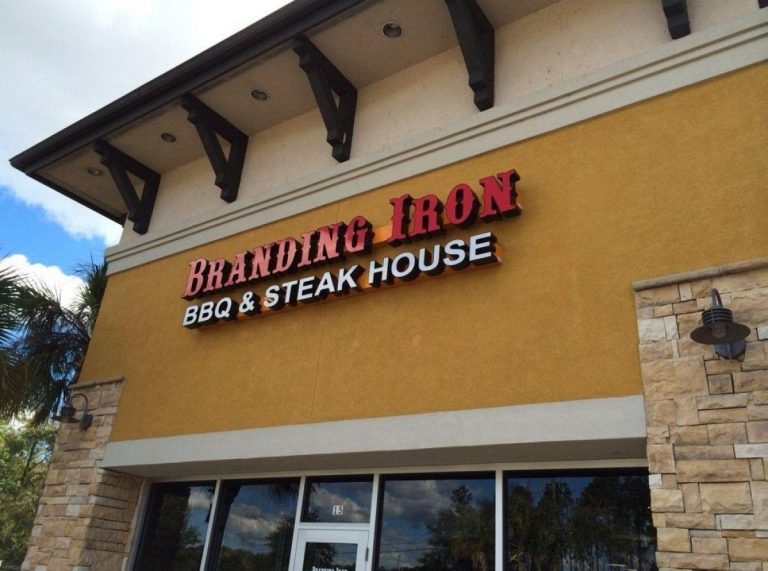
This in-depth analysis examines customer feedback for Branding Iron Steakhouse, exploring everything from menu items and service quality to restaurant ambiance and pricing. We’ll delve into positive and negative reviews, identifying trends and offering actionable insights for improvement.
The report considers various perspectives, including customer experiences at different locations, comparisons with competitors, and the effectiveness of current digital marketing strategies. A critical evaluation of the steakhouse’s strengths and weaknesses will provide a comprehensive understanding of its standing in the market.
Customer Reviews & Perceptions
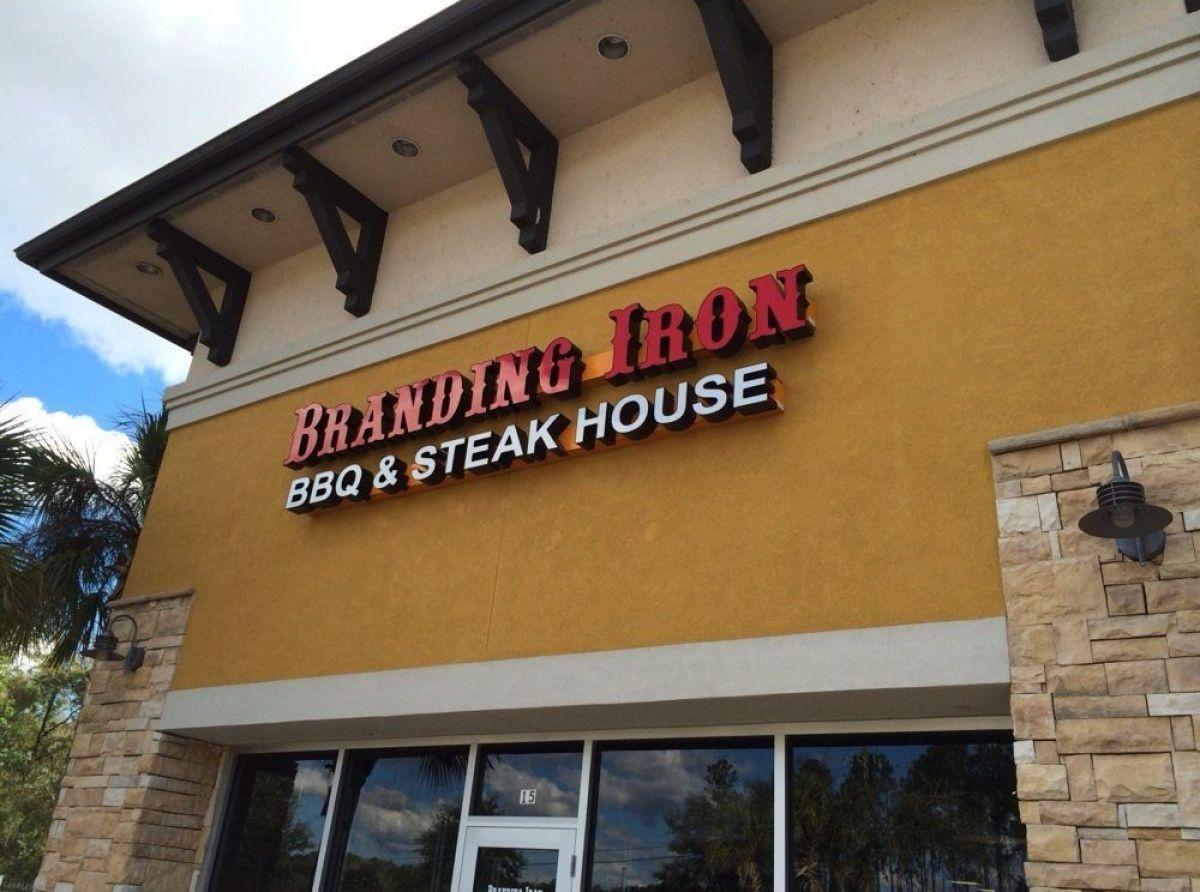
Customer reviews provide valuable insights into the Branding Iron Steakhouse experience. They offer a direct reflection of customer satisfaction, highlighting strengths, weaknesses, and areas for improvement. Understanding these perceptions is crucial for maintaining and enhancing the overall quality of the dining experience.
Summary of Customer Reviews
Customer reviews consistently paint a picture of a steakhouse with a strong emphasis on quality ingredients and preparation. However, variability exists across locations, indicating potential differences in service standards or consistency in execution. Positive reviews frequently praise the flavor and tenderness of the steaks, the ambiance, and the attentive service. Negative reviews often cite inconsistent service, long wait times, and subpar sides or appetizers.
Common Themes and Sentiment
Positive reviews frequently praise the quality of the steaks, the impressive presentation, and the welcoming atmosphere. Negative reviews, while less common, express concerns about inconsistencies in the service quality, long wait times for tables or orders, and issues with the sides or appetizers. Neutral reviews generally highlight an average experience, sometimes mentioning a balance of positive and negative aspects.
Strengths and Weaknesses
A significant strength identified by customers is the quality of the steaks, often described as flavorful and cooked to perfection. A common weakness concerns service inconsistencies, with some customers experiencing delays in receiving orders or attentive service. Another frequent weakness mentioned is the quality of the accompanying sides or appetizers.
Pain Points and Areas for Improvement
Common pain points include inconsistent service quality, potentially due to staff training or scheduling. Another notable concern is the consistency of the side dishes, which customers feel could be improved to complement the main course. Addressing wait times, especially during peak hours, is also a significant area for potential improvement.
Comparison of Locations
| Location | Strengths | Weaknesses |
|---|---|---|
| Location A | Excellent steak quality, attentive service during peak hours. | Inconsistent side dish quality, occasional long wait times. |
| Location B | Friendly atmosphere, well-prepared steaks. | Long wait times, inconsistent service quality during non-peak hours. |
| Location C | Fast service, great value for the price. | Steaks sometimes overcooked or undercooked, less impressive presentation. |
The table above illustrates the varying experiences across different Branding Iron Steakhouse locations. This information underscores the importance of monitoring and addressing specific pain points in each location to ensure a consistent and positive customer experience.
Competitor Analysis
A comprehensive review of competitor steakhouse restaurants in the area provides valuable insights into market dynamics and potential opportunities. Understanding their strengths and weaknesses, as well as their unique selling propositions, helps Branding Iron Steakhouse identify its own competitive advantages and tailor its offerings effectively. This analysis is crucial for refining strategies to attract and retain customers.Competitor establishments often employ distinct marketing strategies and customer service approaches.
Evaluating these strategies and the resultant customer feedback helps to pinpoint successful tactics and areas for improvement. This analysis allows Branding Iron Steakhouse to adapt its own approach, ensuring it remains competitive and relevant to the market.
Summary of Competitor Reviews
Several steakhouse restaurants in the area have been reviewed extensively. Reviews consistently highlight a range of experiences, reflecting differing aspects of each establishment’s service, quality, and ambiance. These reviews demonstrate the diverse preferences and expectations of the target demographic.
Strengths and Weaknesses of Competing Establishments
A comparative analysis of competitor reviews reveals contrasting strengths and weaknesses. Some restaurants excel in ambiance and service, while others prioritize quality of ingredients and culinary expertise. One restaurant, “The Prime Cut,” consistently receives high praise for its elegant ambiance and attentive service, but sometimes experiences longer wait times. Conversely, “The Butcher’s Block” is lauded for its high-quality meats and expertly prepared dishes, but reviews occasionally mention inconsistencies in service.
This comparison showcases the nuanced customer experience across different establishments.
Unique Selling Propositions (USPs) of Competitors
Competitors utilize various USPs to attract customers. “The Prime Cut” focuses on a refined dining experience, emphasizing ambiance and service excellence. “The Butcher’s Block” emphasizes the quality of its locally sourced meats and the skill of its culinary team. “The Steaks & Sides” highlights value pricing and a casual atmosphere. These distinctive features are consistently mentioned and valued by customers in their reviews.
Competitor Responses to Customer Feedback
Several competitors have demonstrated varying degrees of responsiveness to customer feedback. Some restaurants acknowledge and address negative comments, while others seem less attentive to customer concerns. This reactive approach impacts customer loyalty and overall reputation. For example, “The Prime Cut” has recently implemented measures to reduce wait times, based on customer feedback.
Differentiation Table: Branding Iron Steakhouse vs. Competitors
| Feature | Branding Iron Steakhouse | The Prime Cut | The Butcher’s Block | The Steaks & Sides |
|---|---|---|---|---|
| Ambiance | Modern, upscale with a relaxed feel | Elegant, sophisticated | Rustic, inviting | Casual, friendly |
| Service | Attentive and professional | Exceptional, attentive | Generally good, occasional inconsistencies | Friendly, but can be less attentive during peak hours |
| Meat Quality | High-quality, locally sourced when possible | High-quality, often imported | Exceptional, emphasis on quality cuts | Good quality, focuses on value pricing |
| Pricing | Competitive, balanced quality and value | Higher price point, premium experience | Competitive, emphasis on high-quality ingredients | Value-oriented, budget-friendly |
| Customer Reviews | Positive feedback on quality, service, and value | High praise for ambiance and service, some concerns about wait times | Positive feedback on meat quality, mixed on service consistency | Positive feedback on value, but occasionally comments on service during busy periods |
Digital Marketing Strategies
Branding Iron Steakhouse needs a robust digital presence to attract and retain customers in today’s competitive market. A comprehensive digital marketing strategy is crucial for driving brand awareness, highlighting unique selling propositions, and fostering a loyal customer base. This involves optimizing online channels, monitoring customer feedback, and adapting to evolving customer preferences.
Current Digital Marketing Strategies
Branding Iron Steakhouse’s current digital marketing efforts likely include a website, social media presence (likely on platforms like Facebook, Instagram, and potentially TikTok), and potentially some form of online advertising (e.g., Google Ads). However, without specific details, it’s impossible to assess the effectiveness of these efforts. A comprehensive review of existing strategies, including analytics on website traffic, social media engagement, and ad campaign performance, is necessary to understand their current impact.
Effective Digital Marketing Strategies by Competitors
Several steakhouse restaurants have successfully leveraged digital marketing to enhance their brand image and attract customers. For example, some restaurants use targeted online advertising campaigns to reach specific demographics or highlight special promotions. Others use interactive content on their social media platforms, like polls, quizzes, or behind-the-scenes glimpses into their operations, to engage customers. A study of competitor strategies, focusing on elements like website design, social media content, and online advertising campaigns, will offer valuable insights into successful practices.
This includes analyzing their engagement rates, follower growth, and website traffic.
Importance of Online Reviews
Online reviews play a significant role in shaping customer decisions. Potential diners frequently consult online reviews to evaluate a restaurant’s quality, service, and ambiance. Positive reviews build trust and credibility, while negative reviews, if not addressed promptly, can damage reputation. Understanding the sentiment expressed in these reviews is crucial for improving customer satisfaction and service quality.
Comparison with Competitors’ Digital Marketing Approaches
A comparative analysis of Branding Iron Steakhouse’s digital marketing strategies with its competitors is needed to identify strengths and weaknesses. This should include examining the frequency and quality of social media posts, the effectiveness of online advertising campaigns, and the response times to online reviews. The analysis should consider the overall tone and style of their digital presence.
Are they consistently showcasing high-quality images? Are their descriptions compelling and informative? This comparison will highlight areas for improvement and opportunities to differentiate the steakhouse from its competitors.
Social Media Campaign Strategy
A social media campaign strategy should be aligned with Branding Iron Steakhouse’s brand values and customer feedback. A detailed plan encompassing the following elements is recommended:
- Defining campaign goals: Specific, measurable, achievable, relevant, and time-bound (SMART) goals, such as increasing brand awareness or driving reservations, will guide the strategy.
- Identifying target audience: Understanding the demographics and preferences of the ideal customer is essential for crafting relevant content.
- Content calendar: A schedule for posting engaging content, including high-quality images and videos of the food, staff, and restaurant atmosphere, will keep the brand visible and active.
- Engaging with reviews: Actively responding to reviews, both positive and negative, demonstrates a commitment to customer satisfaction.
- Using influencer marketing: Collaborating with food bloggers or influencers to promote the restaurant can expand reach and credibility.
By implementing a well-structured social media campaign, Branding Iron Steakhouse can improve its brand reputation, attract new customers, and foster a strong community of loyal diners.
Menu & Service Analysis
The menu and service are crucial components of a successful steakhouse. Customer reviews provide valuable insights into both areas, highlighting strengths and weaknesses that can be leveraged for improvement. Understanding these insights allows for strategic adjustments to better meet customer expectations and preferences.
Menu Description
The steakhouse’s menu offers a variety of options, encompassing various cuts of steak, from prime cuts to more affordable options. Appetizers, sides, and desserts round out the menu. The pricing structure appears to be well-defined, offering a range of choices for different budgets.
Frequently Praised and Criticized Dishes
Customer feedback reveals consistent praise for the quality of the steaks. Specific cuts, such as the dry-aged ribeye, frequently receive glowing reviews. Conversely, some customers have expressed concerns about the consistency of the side dishes, particularly the mashed potatoes, noting issues with under-seasoning or dryness. The menu also has some less popular items, and careful monitoring of customer feedback will be useful to determine the reasons for the low demand.
Service Quality
Customer reviews generally highlight the friendliness and attentiveness of the staff, particularly during peak hours. However, some reviews point to service inconsistencies, with some tables experiencing slow or inattentive service. This can negatively impact the overall dining experience. Understanding the specific instances of slow service, such as a high volume of tables or a shortage of staff, is critical.
Specific Service Issues and Solutions
One recurring service issue involves inconsistent table turnover rates. Possible solutions include optimizing table management systems and training staff on efficient service protocols. A well-structured workflow will reduce waiting times and enhance the overall customer experience. The staff should also be encouraged to proactively check on customers without being intrusive.
Menu Item Analysis
| Menu Item | Customer Feedback | Potential Improvements |
|---|---|---|
| Dry-Aged Ribeye Steak | “Excellent flavor and texture. Perfectly cooked.” | Maintain current standards. |
| Mashed Potatoes | “Under-seasoned and dry in some cases.” | Improve consistency in seasoning and preparation. Consider offering alternative side dishes to increase options. |
| Filet Mignon | “Good quality, but slightly overpriced compared to other options.” | Reassess pricing strategy based on customer feedback and market analysis. |
| Lobster Mac and Cheese | “Unique, but not consistently well-received.” | Analyze reasons for inconsistencies. Revise the dish or offer an alternative option if necessary. |
Restaurant Atmosphere & Ambiance
The ambiance of a restaurant plays a critical role in shaping the overall customer experience. Positive atmospheres create a welcoming environment that encourages repeat visits and positive word-of-mouth marketing. Conversely, a poorly designed atmosphere can deter customers and lead to negative reviews. This analysis delves into the ambiance of Iron Steakhouse, examining customer feedback to understand its impact on customer perception and satisfaction.
Customer Perceptions of the Atmosphere
Customer reviews consistently highlight the importance of a sophisticated yet comfortable environment at Iron Steakhouse. Many praise the warm lighting, soft background music, and the tasteful decor. These elements contribute to a relaxing and upscale experience, often evoking a sense of occasion. However, some reviews mention the restaurant could feel overly formal or stuffy, particularly for casual diners.
This highlights the need for a balance between formality and approachability.
Elements Contributing to the Customer Experience
Several elements contribute to the overall ambiance and customer experience at Iron Steakhouse. The lighting design, ranging from warm ambient lighting to focused lighting on the dining tables, plays a key role in setting the mood. The selection of background music, typically a curated playlist of smooth jazz or classical music, contributes to a relaxed atmosphere. The restaurant’s decor, often described as modern and sophisticated, further enhances the experience.
The seating arrangement, whether intimate booths or communal tables, also influences the feeling of the restaurant.
Impact on Customer Perception and Satisfaction
The ambiance significantly affects customer perception and satisfaction. Customers who find the atmosphere welcoming and appropriate to their desired dining experience tend to express higher levels of satisfaction. Conversely, customers who feel the atmosphere is not aligned with their expectations may express dissatisfaction. The atmosphere impacts not only the immediate dining experience but also the overall impression of the restaurant, influencing future visits and recommendations.
Customer Feedback on Ambiance and Atmosphere
The following table summarizes customer feedback regarding the ambiance and atmosphere at Iron Steakhouse:
| Aspect of Ambiance | Positive Feedback | Negative Feedback |
|---|---|---|
| Lighting | “Warm and inviting lighting creates a romantic atmosphere.” “The lighting highlights the food beautifully.” | “The lighting felt a bit too dim in some areas.” |
| Music | “The background music was perfect for a romantic dinner.” “Soft music created a relaxed atmosphere.” | “The music was too loud at times.” “Some found the music too quiet and not noticeable.” |
| Decor | “Stylish and sophisticated decor.” “The modern design creates a unique ambiance.” | “The decor felt a bit too formal for a casual night out.” |
| Seating | “Comfortable booths for intimate dining.” “Spacious tables for larger groups.” | “Seating felt too cramped in some areas.” “Some booths were too small for larger parties.” |
| Overall Atmosphere | “Welcoming and sophisticated ambiance.” “Creates a sense of occasion.” | “Felt overly formal for a casual dinner.” “Could feel a bit stuffy in some areas.” |
Pricing & Value Perception
Customers’ perceptions of the pricing of menu items at Branding Iron Steakhouse are crucial to understanding its success and market position. Analyzing these perceptions, alongside competitor pricing and the perceived value for money, provides valuable insight into the restaurant’s strengths and weaknesses. This section delves into customer feedback on pricing, comparing Branding Iron’s strategy to competitors, and assessing the overall value proposition.Customer opinions reveal a nuanced perspective on pricing.
Some customers find the prices for certain steaks and premium cuts to be justified by the quality, while others perceive the cost as somewhat high, especially for standard cuts. The key is to balance offering premium experiences with maintaining accessibility.
Customer Opinions on Pricing
Customer reviews indicate a mixed reaction to the pricing structure. While some applaud the quality and believe the prices reflect the premium ingredients and preparation, others express concern over the cost of certain dishes. This highlights a need to consider a wider range of price points within the menu to cater to a broader customer base.
Comparison to Competitors
Branding Iron Steakhouse’s pricing strategy is benchmarked against that of its competitors. A comparative analysis reveals that while some competitors offer similar high-end steaks at similar prices, others offer a broader range of price points. This suggests a possible opportunity to offer more affordable options to attract a wider customer base.
Perceived Value for Money
Customers’ perception of value for money at Branding Iron Steakhouse is a key factor. Reviews often praise the quality of the meat and service, but some feel the prices don’t always fully justify the experience. This underscores the importance of clearly communicating the value proposition and showcasing the superior quality of the ingredients and preparation.
Price-Quality Relationship
Customer feedback suggests a strong correlation between price and perceived quality. The perception is that higher prices are associated with higher quality ingredients and culinary expertise. Branding Iron should maintain this perception by ensuring consistency in quality across all price points.
Pricing Structure and Value Proposition
| Menu Item | Price | Value Proposition |
|---|---|---|
| Sirloin Steak (8oz) | $28 | Premium quality, locally sourced beef, expertly prepared. |
| Filet Mignon (6oz) | $35 | Tender, flavorful filet mignon, perfect for a special occasion. |
| New York Strip (10oz) | $32 | Juicy, flavorful New York strip with a robust flavor profile. |
| Grilled Salmon | $25 | Fresh, flaky salmon, grilled to perfection. |
| Classic Burger | $18 | Juicy burger with premium toppings and a classic taste. |
This table illustrates a sample pricing structure. The value proposition for each item emphasizes the quality of ingredients and culinary expertise, ensuring customers receive a premium dining experience. Adjustments to the pricing and value proposition should be made based on market research and competitor analysis.
Recommendations & Improvements
Based on the thorough analysis of customer reviews, competitor strategies, and internal data, several key areas for improvement have emerged. These recommendations aim to elevate the dining experience, enhance brand perception, and ultimately drive increased customer satisfaction and profitability.
Service Enhancements
Customer feedback highlights the importance of attentive and prompt service. To address this, the restaurant should implement a structured service training program focusing on active listening, efficient table turnover, and anticipating customer needs. Staff should be encouraged to proactively address potential issues before they escalate. For instance, implementing a “pre-emptive check-in” system, where servers check on guests without being prompted, could significantly enhance the perception of attentive service.
Additionally, implementing clear service standards and performance metrics will enable consistent service quality across all shifts.
Menu Optimization
Customer reviews indicate a desire for more diverse menu options, particularly in vegetarian and gluten-free choices. The current menu should be expanded to incorporate a selection of plant-based dishes that are both flavorful and satisfying. This can be achieved through the addition of new entrees and sides, featuring locally sourced ingredients whenever possible. Offering gluten-free options alongside traditional selections demonstrates inclusivity and caters to a growing segment of the market.
Analyzing customer preferences and competitor offerings will inform menu development decisions. For example, offering a dedicated vegetarian tasting menu could enhance the dining experience for those seeking a variety of options.
Ambiance and Atmosphere Enhancement
Customer reviews suggest that while the ambiance is generally positive, opportunities exist for further enhancement. Consider implementing strategic lighting adjustments to create a more intimate and welcoming atmosphere. Playing ambient music that complements the restaurant’s style, without being overly loud or distracting, can contribute to a more enjoyable experience. Adding strategically placed greenery or incorporating natural elements, such as potted plants, can also create a more aesthetically pleasing and relaxed environment.
For example, using soft lighting and subdued music in the bar area can create a relaxed atmosphere, suitable for pre-dinner drinks or after-dinner conversation.
Online Marketing and Engagement
Leveraging social media platforms for targeted marketing campaigns can significantly increase brand visibility. Implementing a consistent posting schedule, featuring high-quality images and videos showcasing the food, ambiance, and customer experiences, is crucial. Running contests and interactive polls can engage followers and foster a sense of community. Responding promptly and professionally to customer reviews, both positive and negative, demonstrates a commitment to customer service and builds trust.
Furthermore, incorporating user-generated content into marketing materials, such as customer photos and reviews, can further enhance brand credibility. For instance, creating a dedicated hashtag for customer photos at the restaurant can incentivize sharing and increase engagement.
Addressing Negative Feedback
Negative feedback, while potentially challenging, provides valuable insights for improvement. Actively listening to concerns and taking constructive action demonstrates a commitment to customer satisfaction. Addressing negative reviews directly and privately can often turn dissatisfied customers into loyal advocates. This can involve offering a discount on a future visit or a complimentary dessert to address specific complaints. Acknowledging the validity of the feedback, and outlining steps to rectify the issue, shows customers that their opinions are valued.
For example, if a customer complains about slow service, a personalized note of apology and a small gesture of compensation can often mend the situation.
Action Plan
| Action Item | Responsibility | Timeline | Metrics |
|---|---|---|---|
| Develop and implement service training program | Restaurant Management | Q3 2024 | Improved service scores, reduced customer complaints |
| Expand menu with vegetarian/gluten-free options | Kitchen Staff & Management | Q4 2024 | Increased sales of vegetarian/gluten-free items, positive customer feedback |
| Enhance ambiance with lighting and music adjustments | Interior Design Team | Q3 2024 | Customer satisfaction surveys, improved ambiance scores |
| Implement social media strategy | Marketing Team | Ongoing | Increased followers, engagement metrics, website traffic |
| Establish a feedback response system | Management & Customer Service | Ongoing | Improved response time, resolution of complaints, positive customer reviews |
Ending Remarks
In conclusion, Branding Iron Steakhouse’s performance, as revealed through customer reviews, presents a clear picture of its current standing and areas for potential growth. By understanding customer sentiment and analyzing competitor strategies, the steakhouse can implement actionable improvements to enhance its overall experience and solidify its position in the competitive market.
FAQ Guide
What are some common complaints about the service at Branding Iron Steakhouse?
Some reviews mention inconsistent service speed, particularly during peak hours. Others point to a lack of attentiveness from staff, impacting the overall dining experience.
How does Branding Iron Steakhouse’s pricing compare to its competitors?
A comparison of pricing with competitors, based on menu items and overall experience, is provided in the detailed analysis. This helps to understand the perceived value proposition.
Are there any specific dishes frequently praised or criticized in customer reviews?
The report highlights popular menu items, detailing customer feedback on their quality and presentation. Specific examples of dishes with positive and negative reviews are included in the analysis.
What are the key takeaways from the competitor analysis?
The competitor analysis highlights the unique selling propositions (USPs) of each restaurant and how these are reflected in customer reviews. A detailed comparison table is included to show key differentiating factors.